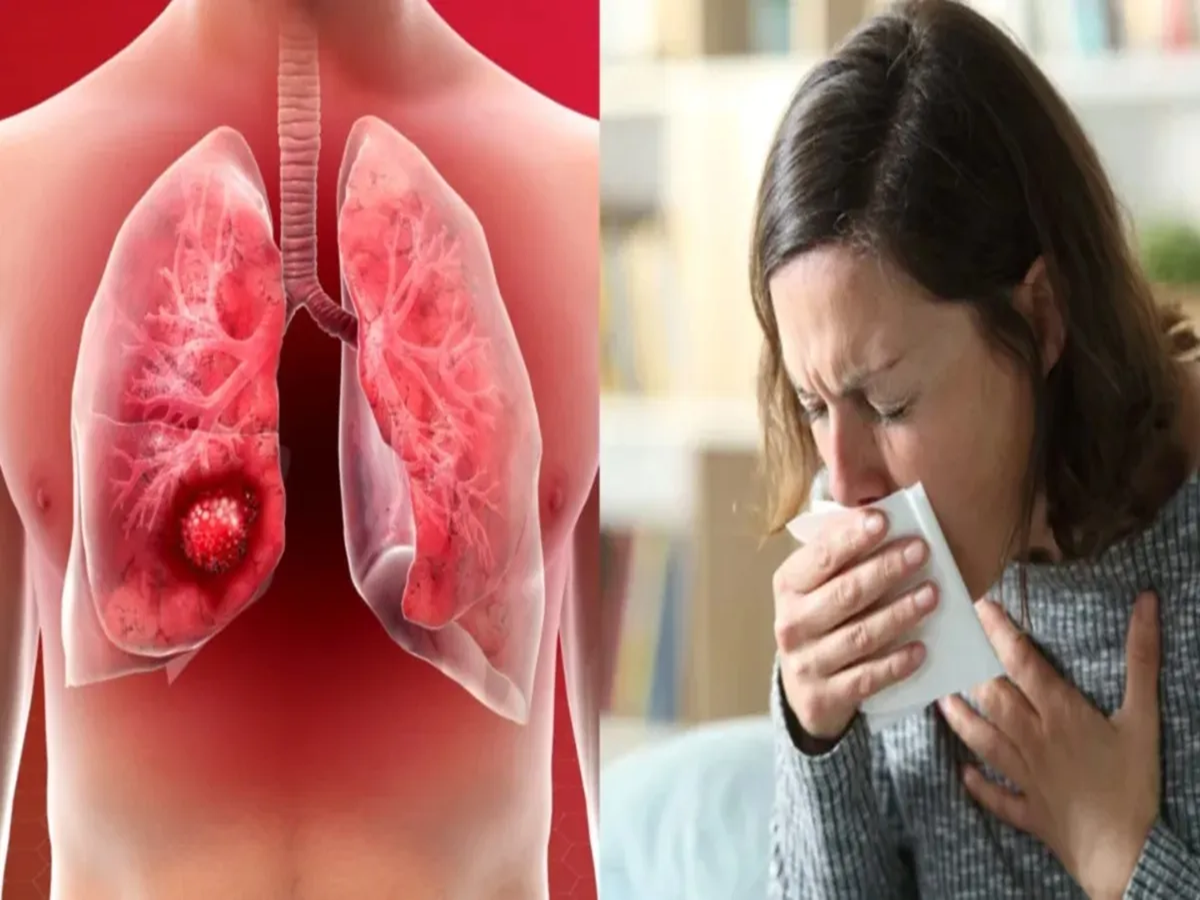
Causes of Lung Infection: While smoking is considered a major risk factor for various lung diseases, non-smokers can also develop lung infections. Lung infections can affect people of any age and stem from a variety of causes.

Certain common symptoms may appear during a lung infection. Therefore, persistent respiratory symptoms should not be ignored, even in non-smokers. Timely diagnosis and appropriate treatment can help reduce the severity of the infection.
Main Causes of Lung Infections
Viral Infections: The flu, COVID-19, and other respiratory viruses can cause lung infections.
Bacterial Infections: Certain bacteria can infect the lungs, leading to conditions like pneumonia. Symptoms may include high fever, persistent cough, and chest pain.
Fungal Infections: Individuals with a weakened immune system are at a higher risk of fungal infections. Potential symptoms include a prolonged cough, weakness, and breathing difficulties.
Weakened Immune System: Conditions such as diabetes, chronic illnesses, or the use of certain medications can weaken the immune system, increasing the likelihood of lung infections.
Air Pollution: Prolonged exposure to polluted air can adversely affect the lungs and respiratory system, increasing the risk of shortness of breath and other respiratory issues.
Dust and Chemicals: Constant exposure to dust, smoke, gases, or certain chemicals in the workplace can cause lung irritation and inflammation. Long-term exposure may also lead to lung damage.
Contact with an Infected Person: Some respiratory infections spread through droplets released when an infected person coughs, sneezes, or speaks. Symptoms of Lung Infection
Common symptoms include cough, mucus production, fever, chills, shortness of breath, chest pain, fatigue, and weakness. While symptoms may be mild in some individuals, severe infections can cause significant breathing difficulties.
When to See a Doctor?
Seek immediate medical attention if you experience symptoms such as high fever, persistent cough, difficulty breathing, severe chest pain, confusion, or a bluish tint on the lips or face. Special caution is required for children, the elderly, and individuals with weakened immune systems.
How to Prevent It?
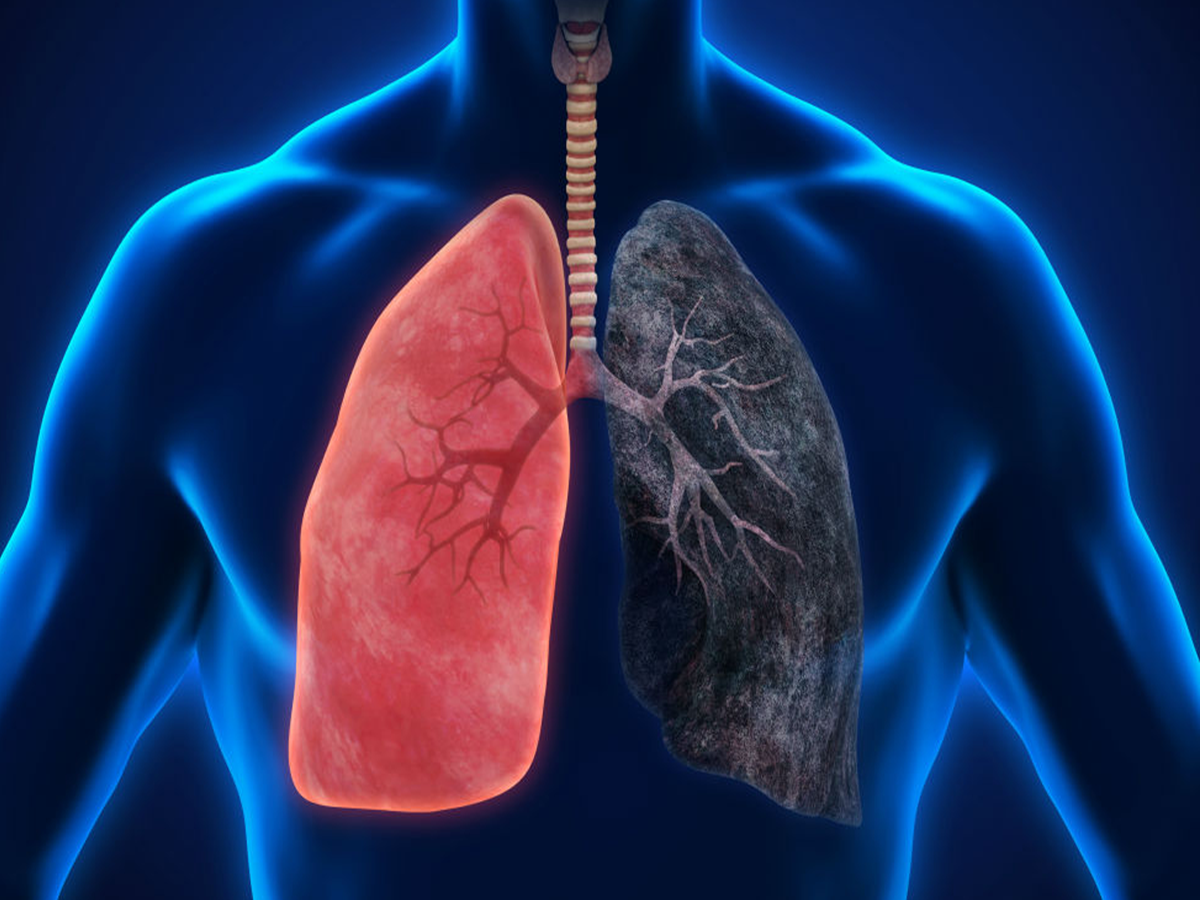
Maintain good hand hygiene, exercise caution when in contact with infected individuals, ensure proper ventilation at home and the workplace, avoid unnecessary exposure to pollution and dust, and get necessary vaccinations as advised by a doctor.
PC Social Media