
LIFESTYLE
Health Tip: Why does blood pressure suddenly rise in winter? Learn about 6 major causes and ways to prevent it..

Why Does Blood Pressure Suddenly Increase in Winter? While many people enjoy the winter season, it also brings certain health challenges. Individuals dealing with high blood pressure—or hypertension—need to be especially cautious during the cold weather.
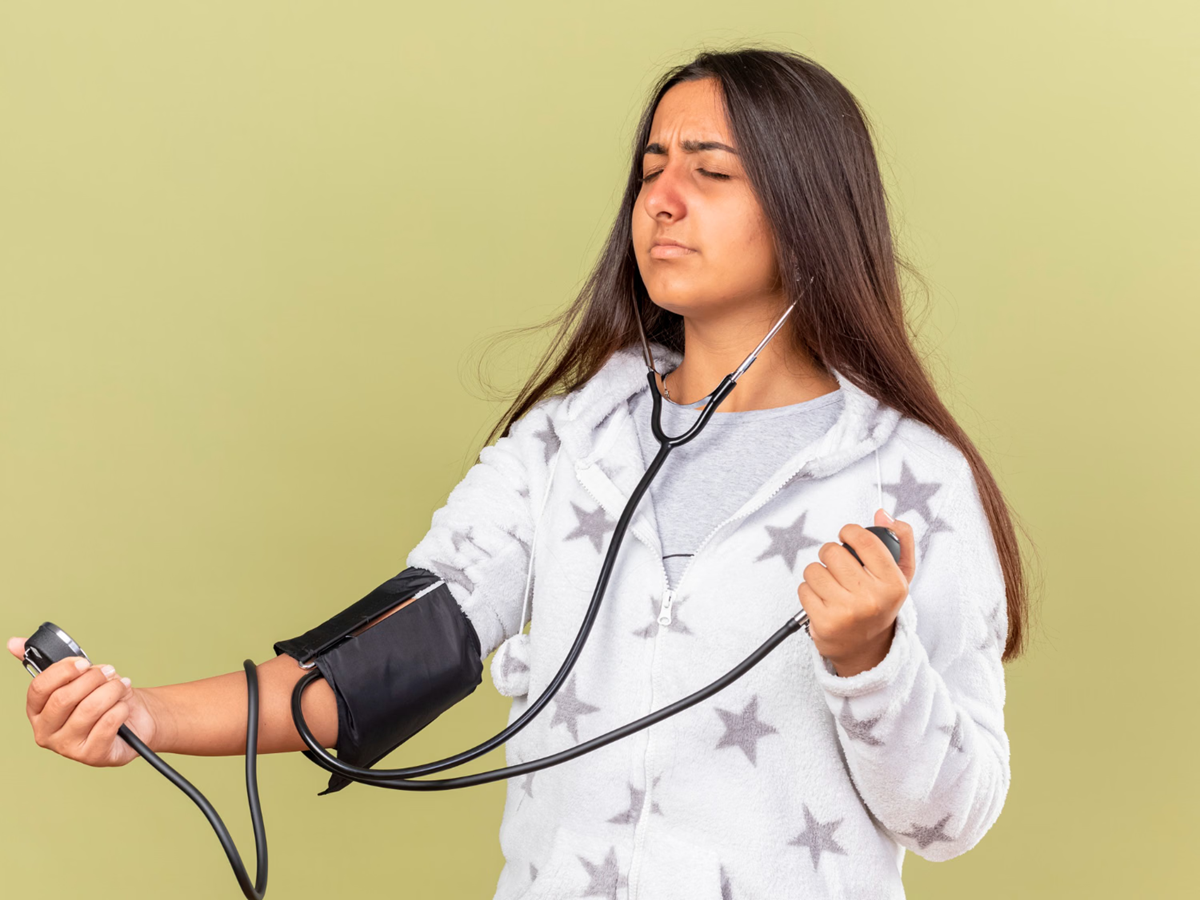
When temperatures drop, the body’s blood vessels begin to constrict, forcing the heart to work harder to maintain blood flow. This can affect blood pressure, causing it to rise above normal levels in some people. Consequently, regular blood pressure monitoring and a proper diet are essential during the winter months. Let’s explore the reasons why blood pressure tends to rise in winter and how to keep it under control.
6 Major Reasons for Increased Blood Pressure in Winter
1. Blood Vessels Constrict in the Cold
As temperatures fall during winter, the body constricts its blood vessels to conserve heat—a process known as "vasoconstriction." This increases pressure within the blood vessels, which can lead to a rise in blood pressure.
2. Reduced Physical Activity
Due to the cold, people often cut back on morning walks, exercise, and other physical activities. Prolonged periods of sitting and decreased activity levels can lead to weight gain, which in turn affects blood pressure.
3. Increased Consumption of Salty and Oily Foods
In cold weather, people often gravitate toward foods like *pakoras* (fritters), *parathas*, savory snacks, and highly spiced dishes. These items can be high in salt and unhealthy fats. Excessive sodium intake can cause the body to retain water, increasing the risk of elevated blood pressure.
4. Weight Gain
Reduced physical activity combined with the consumption of calorie-dense foods during winter can lead to weight gain. Carrying excess weight forces the heart to work harder to pump blood throughout the body, which increases the risk of high blood pressure.
5. Stress and Lack of Sleep
Changes in the weather, a disrupted daily routine, and a lack of adequate sleep can all affect blood pressure. Persistent stress triggers the release of hormones in the body that can cause a temporary spike in blood pressure.
6. Neglecting Medication and Check-ups During Winter
Some people reduce their blood pressure medication or skip medical check-ups during the winter if they feel healthy. Doing so can be dangerous. You should never stop taking your medication or alter the dosage without consulting your doctor.
7 Essential Tips for Managing Blood Pressure in Winter
Monitor your blood pressure daily: If you have high blood pressure, measure it regularly as advised by your doctor and keep a record of the readings.
Protect your body from the cold: Wear warm clothing when stepping outside. Ensure your head, hands, and feet are well-protected from the cold.
Exercise daily: If it is too cold outside, engage in yoga, stretching, or light exercises indoors.
Reduce salt intake: Limit the consumption of high-salt foods, such as pickles, papads, chips, and packaged snacks.
Get enough sleep: Aim for 7–9 hours of sleep each night; this is beneficial for your overall health.
Don’t forget to drink water: You may feel less thirsty during the winter, but your body still requires an adequate amount of water.
Take medication regularly: Follow your doctor’s instructions regarding the timing and dosage of your blood pressure medication. Do not stop taking it on your own.
When should you be concerned about a rise in blood pressure?
If you experience frequent headaches, dizziness, blurred vision, or unusual restlessness, get your blood pressure checked. Keep in mind, however, that high blood pressure often occurs without any noticeable symptoms.
PC Social Media