
LIFESTYLE
Health: Eat mushrooms this way to boost nutritional benefits; potential advantages for brain, immune, and heart health..

Mushrooms are commonly included in the diet as a vegetable, but in nutritional science, their role is considered far more extensive. Varieties ranging from Oyster mushrooms to Lion's Mane contain bioactive compounds linked to brain, immune system, and heart health. Notably, mushrooms can be cultivated in a relatively short time compared to many plants and serve as a good source of nutrients. Mushrooms are not actually plants but a type of fungus. They contain protein, fiber, vitamins, and minerals, along with various natural compounds that can influence different biological processes in the body. This is why mushrooms are increasingly viewed worldwide not merely for their flavor and culinary versatility, but as part of a health-promoting diet.
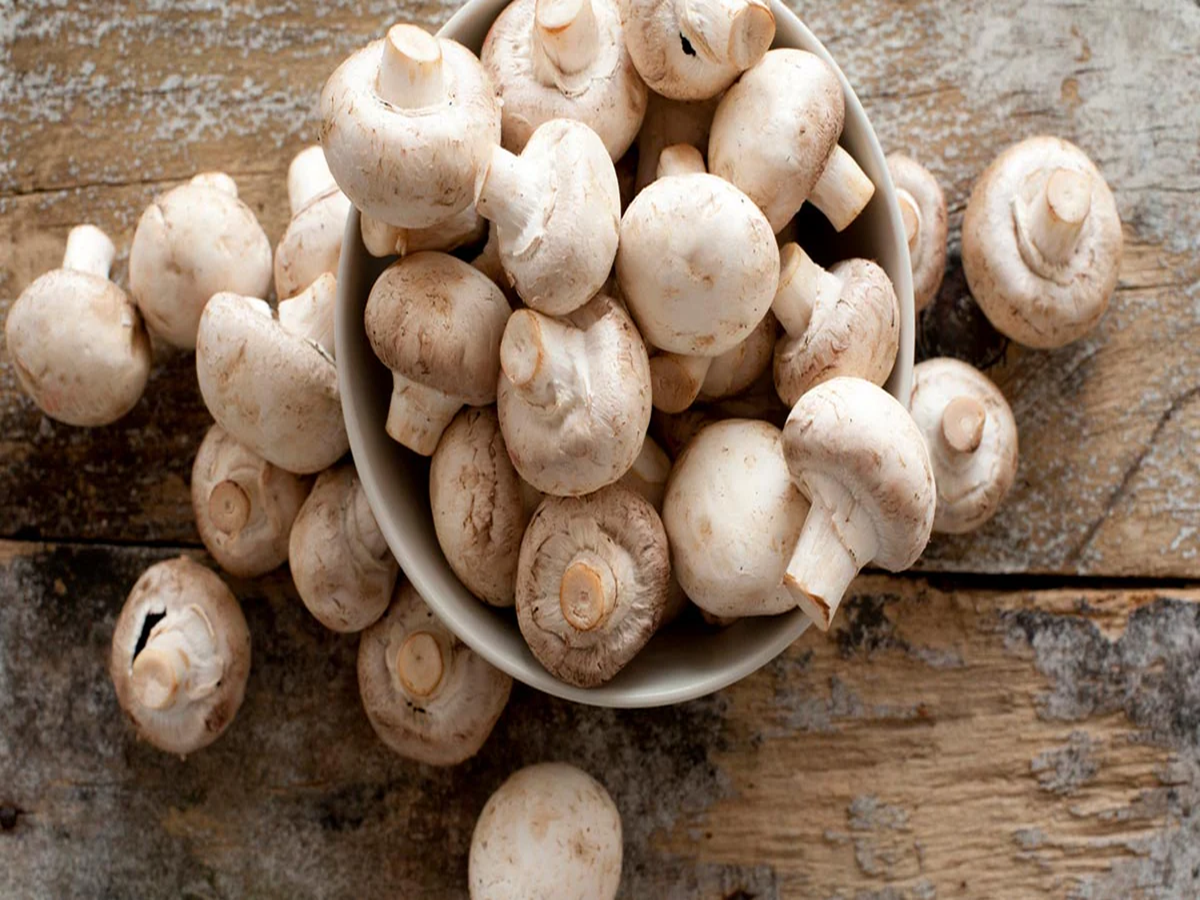
According to a National Geographic report, scientists have shown particular interest in certain mushrooms, such as Lion's Mane. Preliminary research has revealed potential links between specific compounds found in them and processes related to the nervous system; they are being associated with brain cell growth and nerve health. However, experts caution that these findings should not be interpreted as proof of a cure for any disease. Further large-scale, long-term human studies are needed in this field.
**Potential Support for the Immune System**
Compounds such as beta-glucans found in mushrooms have also been the subject of scientific study. These are complex carbohydrates, and research has been conducted on their potential interaction with the body's immune system. While the nutrients obtained by including mushrooms in a regular diet can benefit overall health, this cannot be considered a guarantee against or a cure for any disease.
**Potential Benefits for Heart Health**
The fiber, antioxidants, and other bioactive compounds found in mushrooms can contribute to heart health when part of a balanced diet. They are generally low in calories and fat, yet many varieties offer a rich nutritional profile. Therefore, substituting meat or high-calorie foods with mushrooms can add nutritional diversity to one's diet.
**Cooking and Preparation Methods Matter**
The nutritional benefits of mushrooms depend not only on the variety but also on how they are prepared. Cooking them with excessive oil, butter, or salt can diminish their health-promoting qualities. Thus, cooking mushrooms in a small amount of oil, combining them with vegetables, or incorporating them into a balanced meal is a better choice. Vitamin D levels in some mushrooms can also be boosted; under specific conditions, exposure to ultraviolet light can stimulate Vitamin D production within the mushroom. However, it is advisable to check the product's nutritional information before including it in your diet.
**Not a 'Miracle Food'**
While scientific findings regarding mushrooms are certainly encouraging, it would be incorrect to label them a "miracle food." It is more appropriate to view mushrooms as a nutritious dietary option that complements a balanced diet, adequate physical activity, and a healthy lifestyle.
**Which Mushroom for Which Benefit?**
**Oyster Mushroom:** A source of fiber, protein, and various bioactive compounds.
**Lion’s Mane:** Research is ongoing regarding its potential effects on brain and nerve health.
**Shiitake:** Popular worldwide for its nutritional value and bioactive compounds.
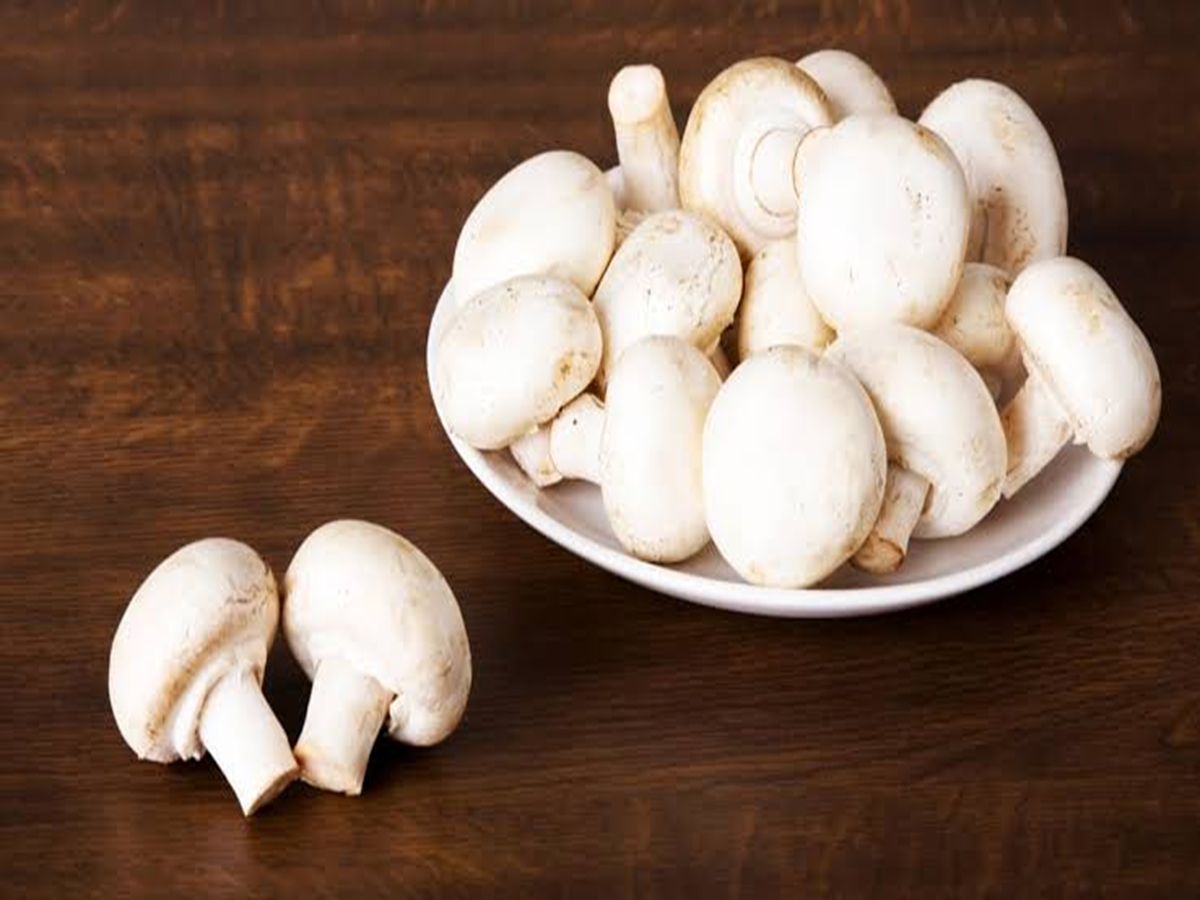
**Button Mushroom:** Readily available, low in calories, and easy to incorporate into everyday meals.
PC Social Media