
LIFESTYLE
Health Alert: Are you making this mistake in your quest to look like a bodybuilder? It could leave your body hollow..

Do you also go to the gym to build a rock-solid physique? Do you consume protein powder to make your muscles look strong and well-defined? If so, take heed immediately; this habit could hollow out your body from the inside rather than strengthening it.
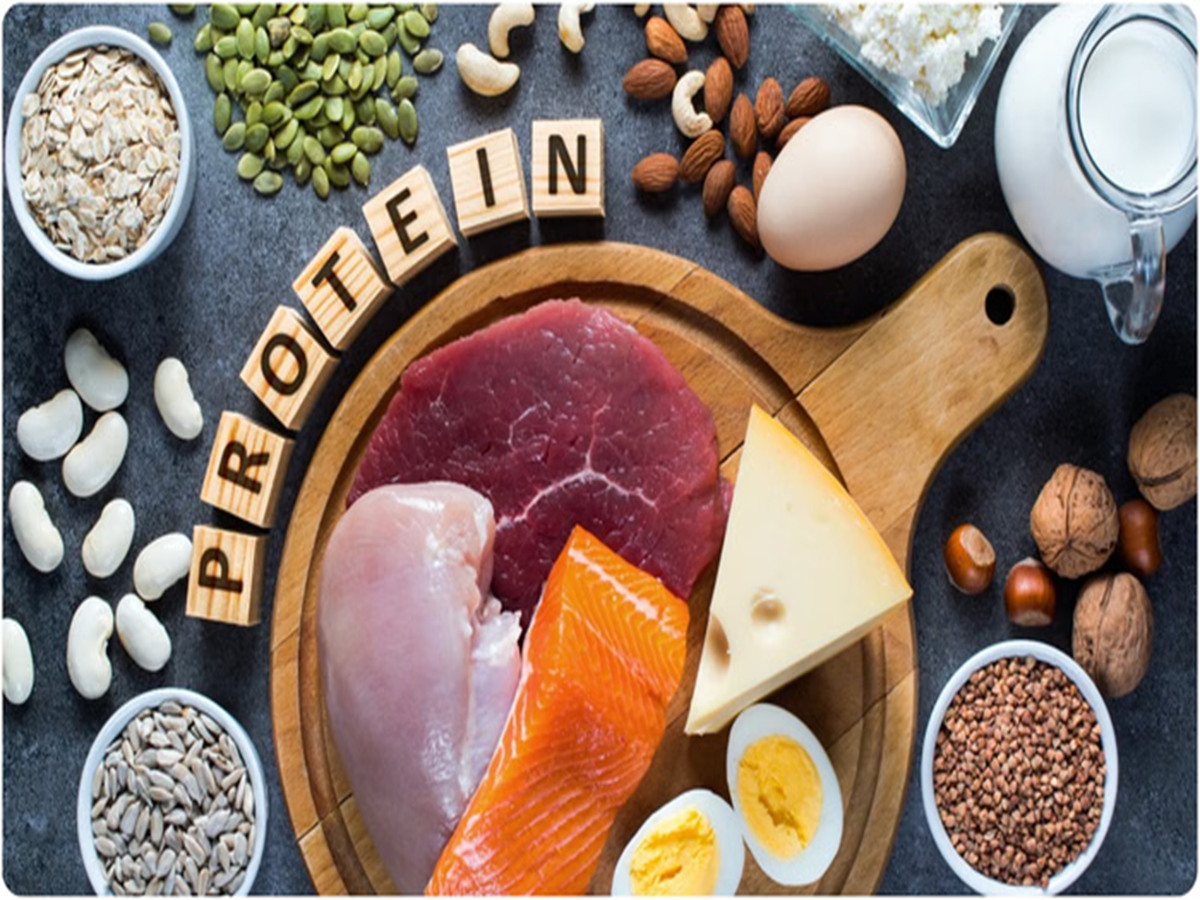
While protein is essential for building muscle, strengthening the body, and post-workout recovery, the protein powders recommended by gym trainers or sold in attractive packaging can often be harmful. Powders marketed for rapid muscle growth may contain steroids, which studies have shown to be detrimental to health.
Instead of protein powders, you can incorporate other options into your diet that strengthen the body and muscles.
Health experts state that protein requirements can also be met through foods like eggs, chicken, fish, milk, and yogurt. Adequate calories, a balanced diet, regular strength training, and good sleep are also crucial for building muscle. One should always opt for methods that provide gradual and long-term benefits to the body.
How much protein is needed to build a physique?
Generally, a healthy adult requires approximately 0.8 grams of protein per kilogram of body weight daily. This means a person weighing 60 kg needs about 48 grams per day.
Those who exercise regularly at the gym and aim to build muscle may require more protein; however, this depends on your age, training regimen, and health status.
While protein is beneficial for health, consuming it in excess can be harmful rather than helpful.
Essential protein can be obtained from a non-vegetarian diet.
Animal-based foods are rich in protein, and including them in your diet can be beneficial.
A large egg contains approximately 6–7 grams of protein. You can get approximately 25–31 grams of protein from 100 grams of chicken.
100 grams of cooked fish can contain about 20–25 grams of protein. Some fish are also good sources of omega-3 fatty acids.
How can vegetarians meet their protein needs?
If you are a vegetarian, there are still many protein options available to meet your requirements.
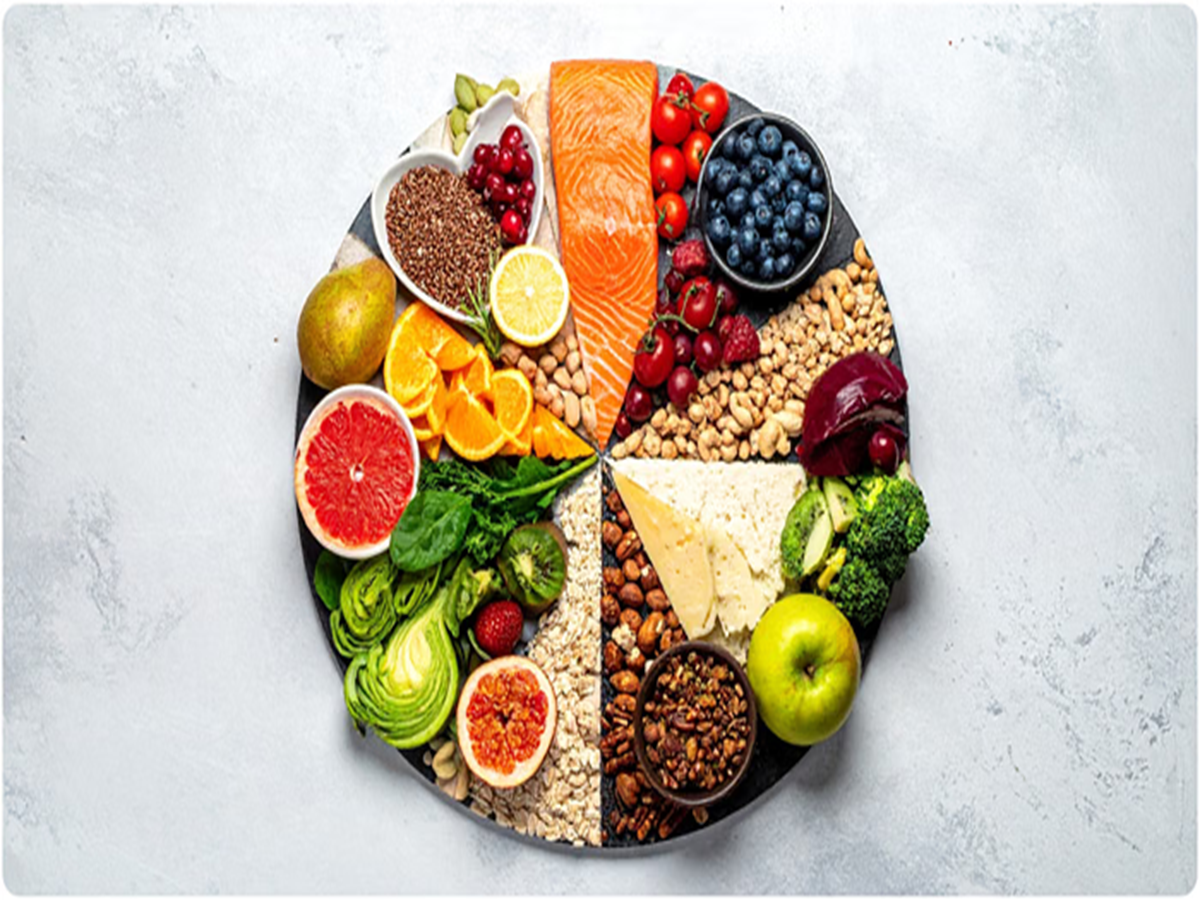
A bowl of cooked lentils (dal) contains approximately 6–9 grams of protein.
100 grams of paneer (cottage cheese) provides about 15–20 grams of protein.
Soybeans and tofu are good sources of protein.
Chickpeas and kidney beans (rajma) contain fiber along with protein. Consuming them with grains improves the balance of amino acids.
Peanuts, almonds, and seeds provide the body with essential protein and healthy fats. However, since they can be high in calories, it is important to be mindful of portion sizes.
PC Social Media