
LIFESTYLE
Good to know: What do SpO2 and PR mean on an oximeter? Understand both terms in simple language..
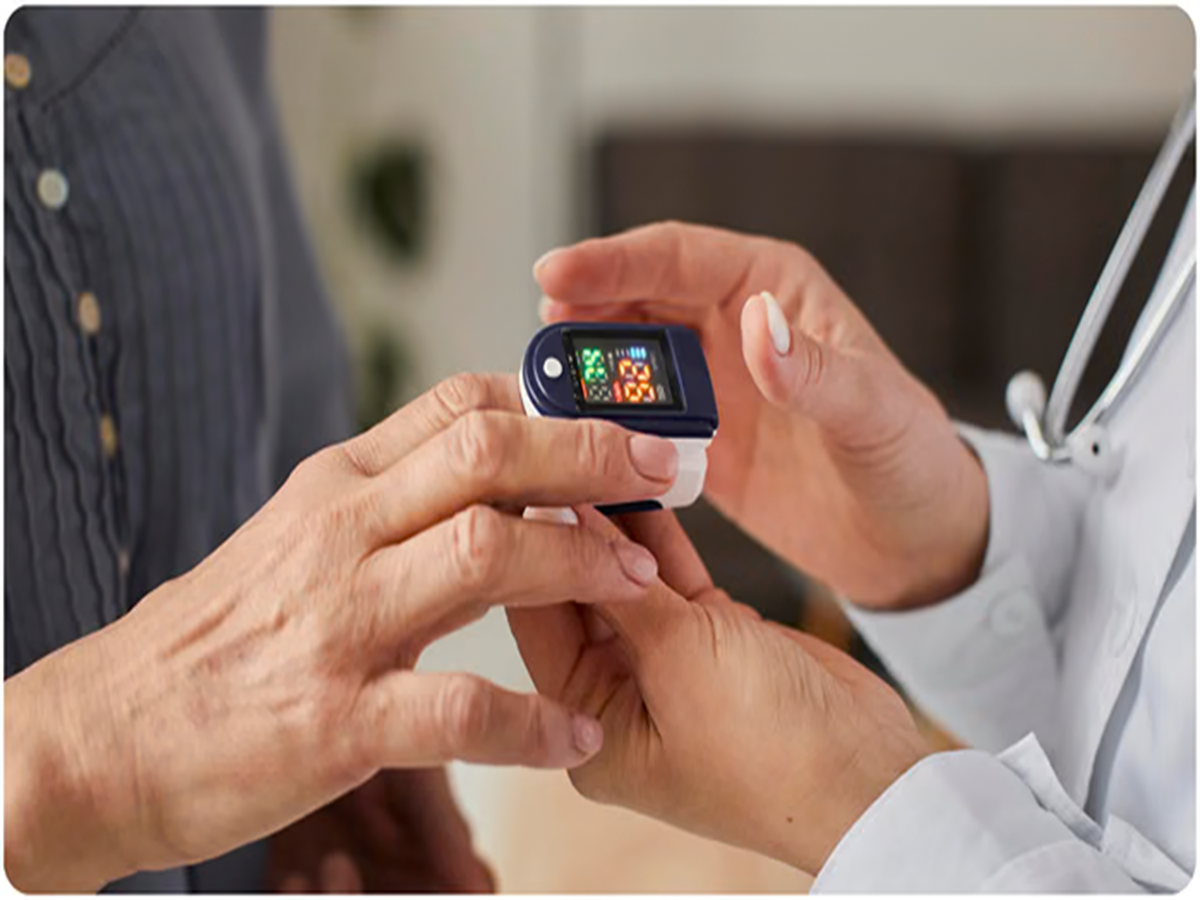
Proper blood circulation is considered essential for maintaining a healthy body and ensuring that all organs function correctly. Hemoglobin, a protein present in the blood, continuously delivers oxygen to every part of the body. Oxygen is vital for the health of cells; a deficiency can cause cells to die.
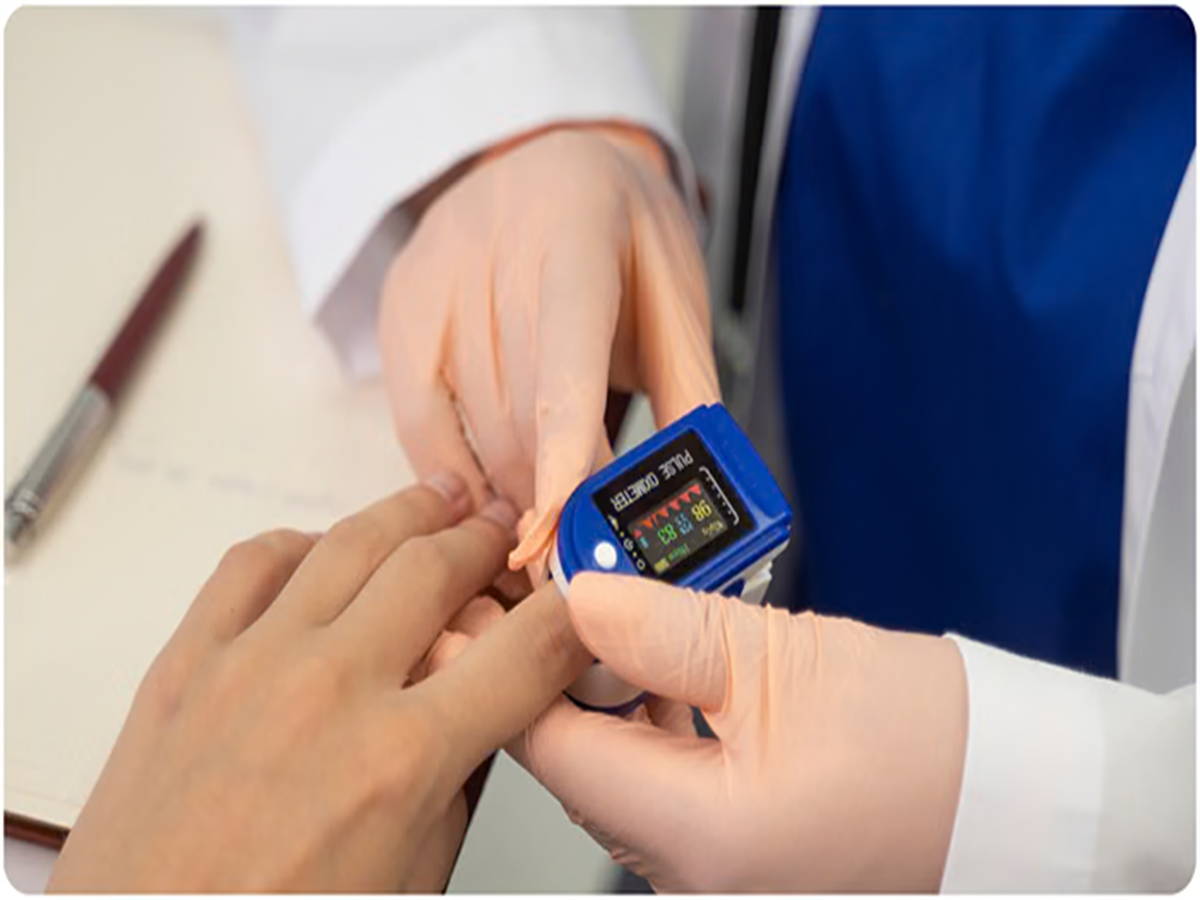
There are various health conditions that can lead to a drop in the body's oxygen levels—a matter that requires serious attention.
Difficulty in breathing is generally considered the primary indicator of low oxygen levels. An oximeter is used to detect this issue; it is placed on a finger to estimate the level of oxygen in the blood. Do you know how to use an oximeter correctly?
An oximeter measures the oxygen level in the body. In healthy individuals, oxygen saturation (SpO2) typically ranges between 95% and 100%. However, this level may decrease due to certain medical conditions or at high altitudes. If oxygen levels drop significantly, vital organs can be affected; therefore, it is important to consider your symptoms alongside the oximeter readings.
Understanding Oximeter Readings
An oximeter typically displays two main figures on its screen: SpO2 and PR (pulse rate).
SpO2 represents the estimated percentage of hemoglobin in the blood that is bound to oxygen.
PR stands for pulse rate, which indicates how many times the heart beats in one minute. For adults at rest, a normal pulse rate is generally between 60 and 100 beats per minute.
Health experts advise that if an oximeter consistently shows an SpO2 level below 90%, or a pulse rate below 60 or above 120, you should take immediate notice and exercise caution. These readings may indicate a serious underlying health issue that requires immediate attention.
When to be concerned
An oximeter reading helps determine whether the oxygen level in your blood is within the normal range. For most healthy individuals, a reading between 95% and 100% is considered normal. If the reading is below 90%, perform the check again, ensuring the device is positioned correctly. If the reading remains at this level, consult a doctor immediately.
Oximeter readings are not always perfectly accurate; the device may occasionally show an oxygen level that is higher or lower than the actual value. Therefore, it is advisable to take a second reading.
How to use an oximeter correctly?
To obtain an accurate reading, it is essential to use the oximeter properly.
First, sit comfortably for a few minutes and keep your hands steady. If your fingers are cold, allow them to warm up to a normal temperature.
Next, place the oximeter on your finger and wait a few seconds until the numbers on the screen stabilize.
If the reading is higher or lower than expected, keep your hand steady and take the measurement again. If the readings remain consistently low, contact a doctor immediately.
PC Social Media