LIFESTYLE
Dussehra 2026: From Mysuru to Kullu, Dussehra is celebrated in a unique way in these cities across the country..
Places to Celebrate Dussehra: In India, Dussehra is not merely about the burning of Ravana’s effigy or the victory of Lord Rama; it is a symbol of the nation’s rich culture, religious faith, and regional traditions. The ways in which Vijayadashami is celebrated across different parts of the country are so unique that the festival takes on a distinct character in every region—ranging from grand, regal processions to gatherings featuring the palanquins of hundreds of deities.
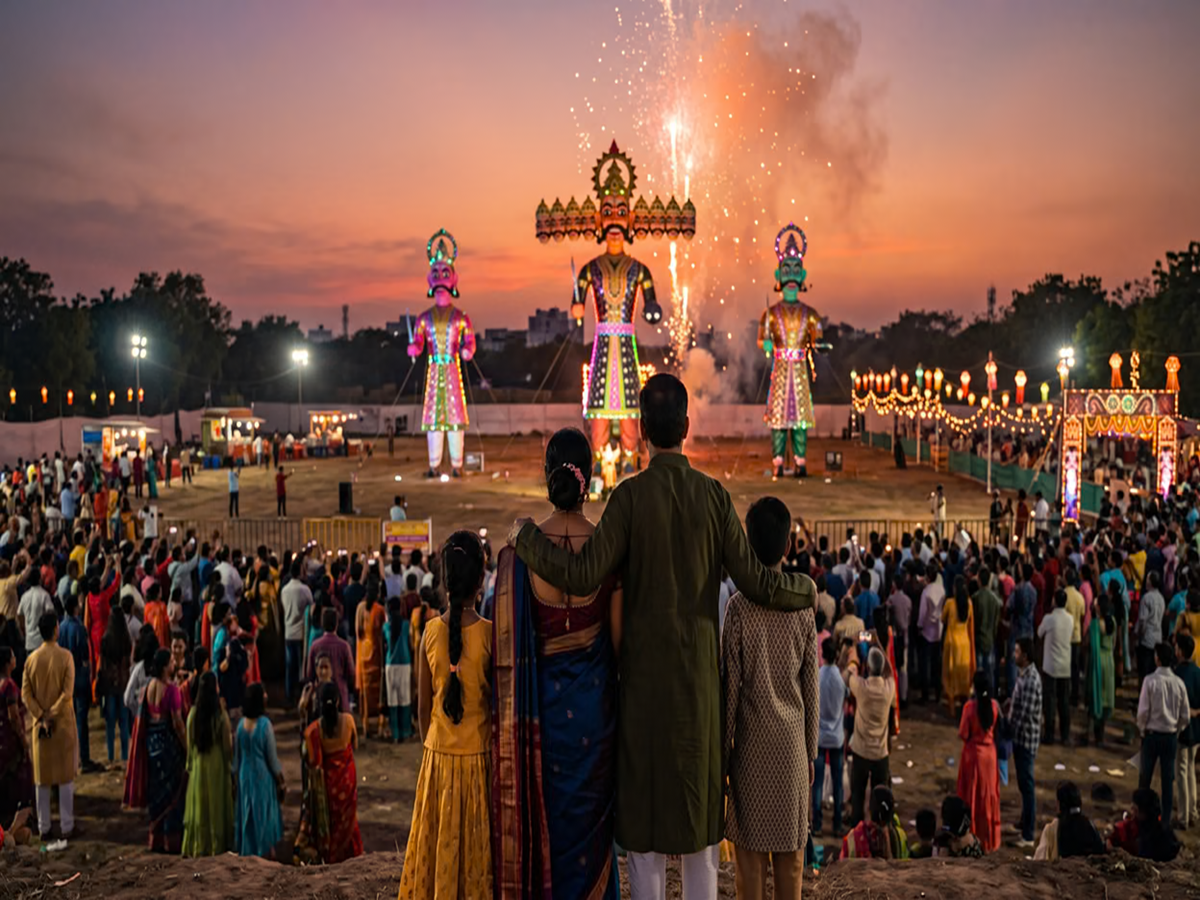
In West Bengal, one witnesses the poignant traditions marking the conclusion of Durga Puja, while in Delhi, the *Ramlila* and the burning of Ravana’s effigy remain the primary attractions. This year, Dussehra will be celebrated on October 20, 2026. Let us explore some of the cities in India that are renowned for their unique style of celebrating Dussehra.
Mysuru: Dussehra in Royal Style
The Dussehra of Mysuru, in Karnataka, is famous for its grandeur and historical traditions. Here, the festival commemorates the victory of Goddess Chamundeshwari over the demon Mahishasura. The Mysuru Palace is illuminated with lights, and on the day of Vijayadashami, the iconic *Jambu Savari* (grand procession) takes place. This procession features caparisoned elephants, traditional tableaux, music, and vibrant folk arts. In Mysuru, Dussehra is a celebration of both religious faith and royal heritage.
Kullu: Where Hundreds of Deities Converge
In the Kullu Valley of Himachal Pradesh, Dussehra is celebrated in a manner distinct from the rest of the country. The festivities begin on the day of Vijayadashami and continue for about a week. Hundreds of elaborately decorated palanquins, carrying deities from surrounding villages, arrive at the Dhalpur Ground. The procession of Lord Raghunath, the sound of traditional musical instruments, and the *Kullu Nati* (folk dance) make this celebration truly special. Dussehra here represents a unique confluence of Himachal’s folk culture and its ancient traditions of deity worship.
Kolkata: Durga Puja and *Sindoor Khela*
In Kolkata, the capital of West Bengal, Dussehra is intrinsically linked to the conclusion of Durga Puja. On Vijayadashami, idols of Goddess Durga are immersed. A key feature of this occasion is 'Sindoor Khela,' a tradition observed among married women. The resonant beats of the 'dhak' (traditional drum), elaborately decorated 'pandals' (temporary shrines), and the poignant farewell to the Goddess make the celebration truly memorable.
Delhi: Ramlila and Ravan Dahan
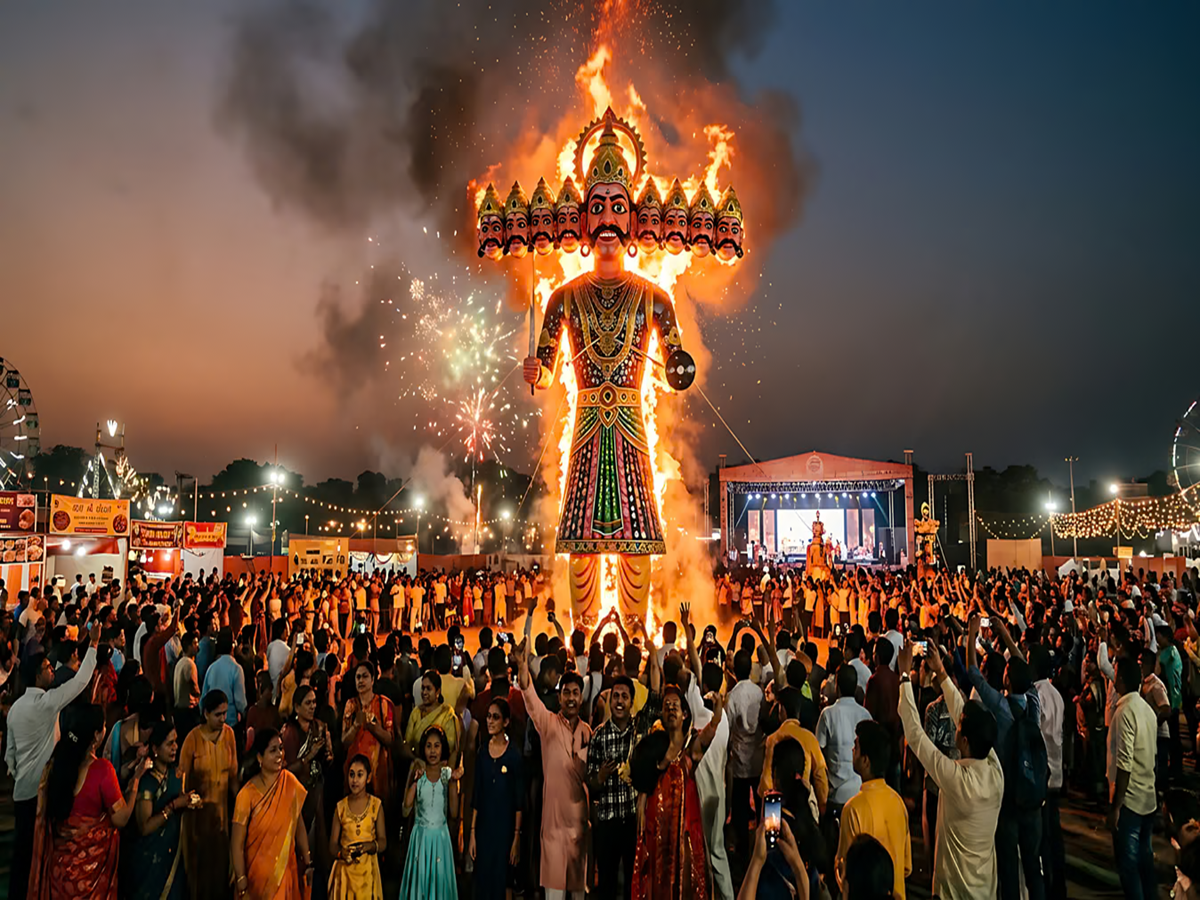
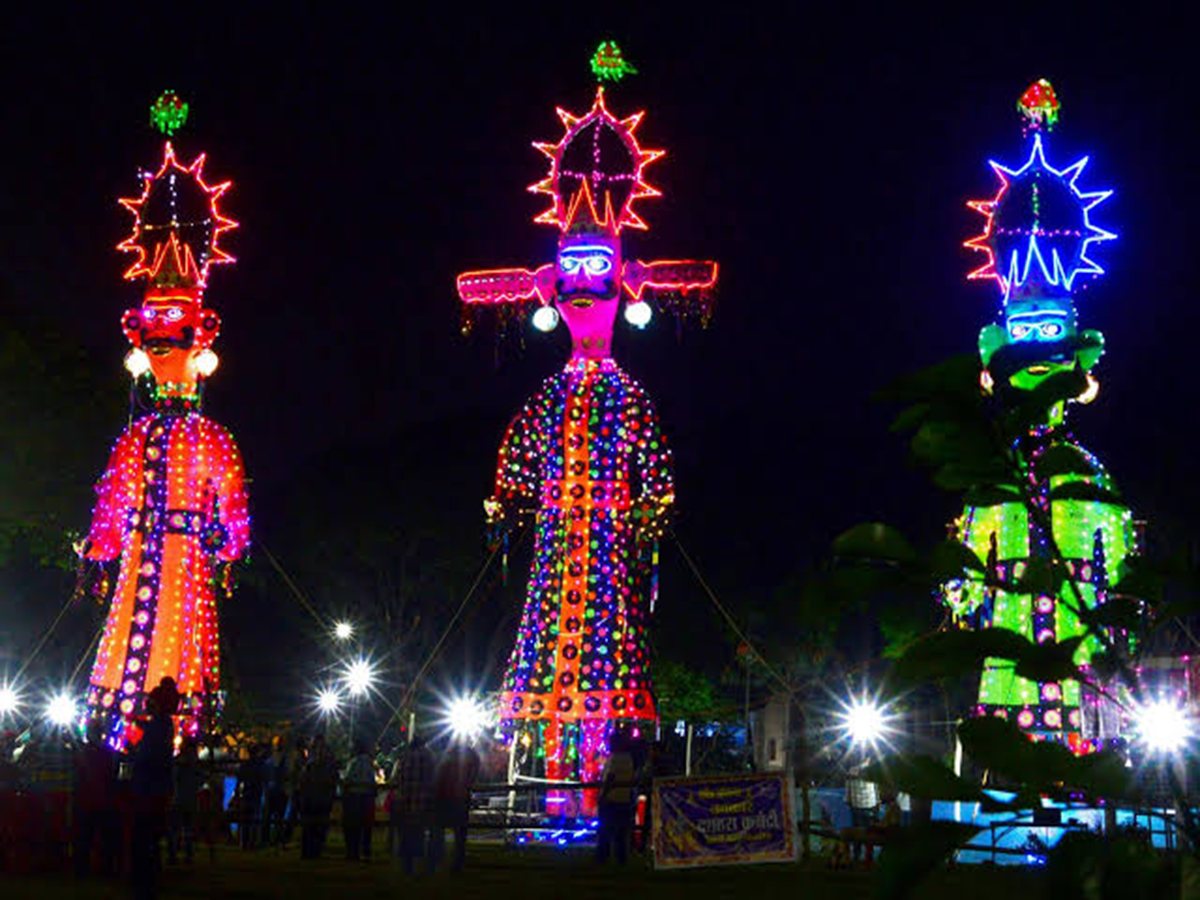
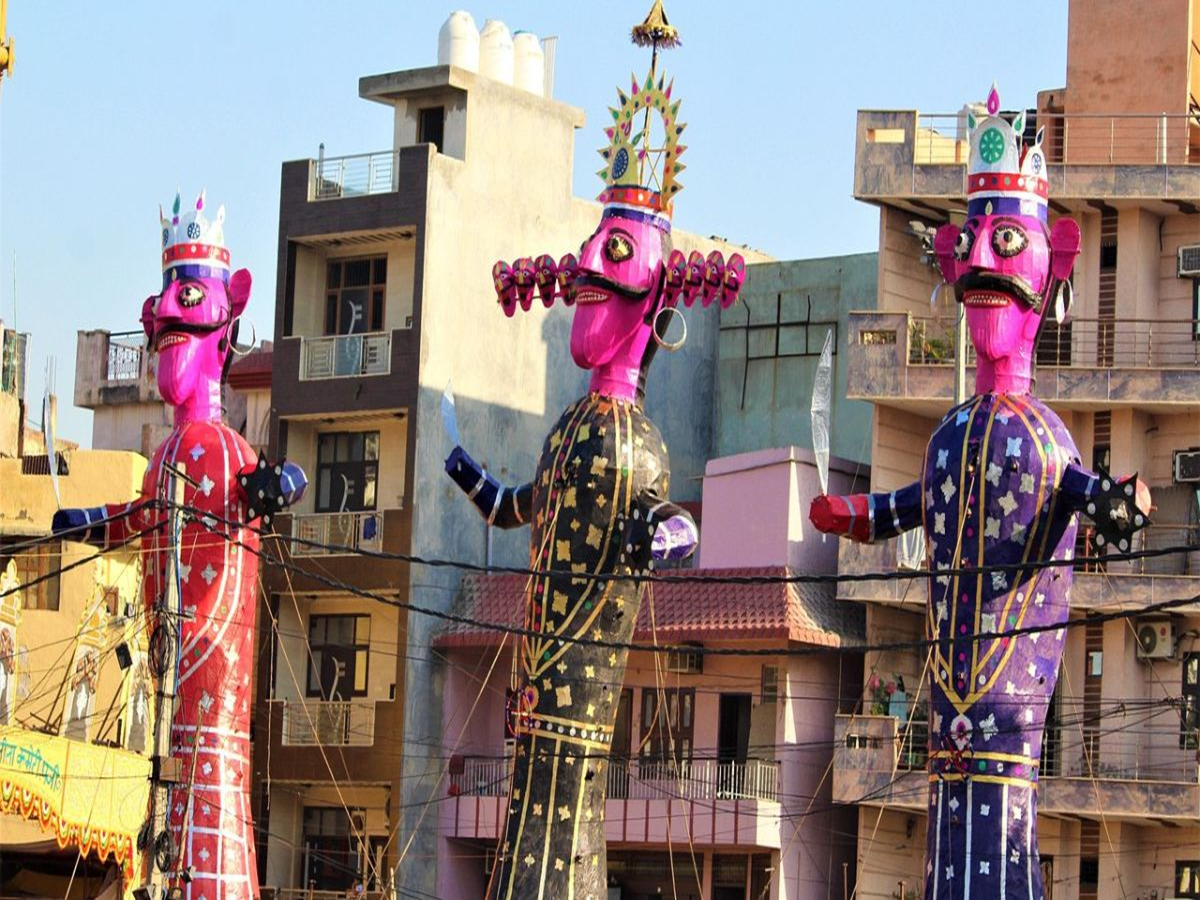
In Delhi, the primary attractions of Dussehra are the 'Ramlila'—a dramatic enactment of the life of Lord Rama—and the 'Ravan Dahan' (the burning of the effigy of Ravan). These performances take place across various grounds in the city. On Vijayadashami, effigies of Ravan, Kumbhakarna, and Meghnada are set ablaze. Fireworks, vibrant fairs, and food stalls further enliven the festivities. Here, Dussehra conveys the message of the triumph of good over evil to the masses.
Bastar: A Unique 75-Day Tradition
Dussehra as celebrated in Bastar, Chhattisgarh, stands out across the country due to its distinct tribal traditions. The festival is primarily dedicated to Goddess Danteshwari, and its rituals differ significantly from those observed elsewhere. The tradition of the chariot, communal rites, and unique local customs are its hallmarks. Bastar Dussehra is notable for spanning approximately 75 days.
A Glimpse of Diversity in India’s Dussehra
From the royal procession in Mysore and the divine traditions of Kullu to the Durga Puja in Kolkata, the Ravan Dahan in Delhi, and the unique rituals of Bastar, Dussehra beautifully showcases India’s cultural diversity. While the traditions may vary, the underlying message of all these celebrations remains rooted in faith, harmony, and the victory of good. It is this very diversity that makes India’s festivals so special.
PC Social Media