LIFESTYLE
From the 'Garbh Deep' to the cosmos! Discover the significance behind the earthen pot and the three claps in Garba..
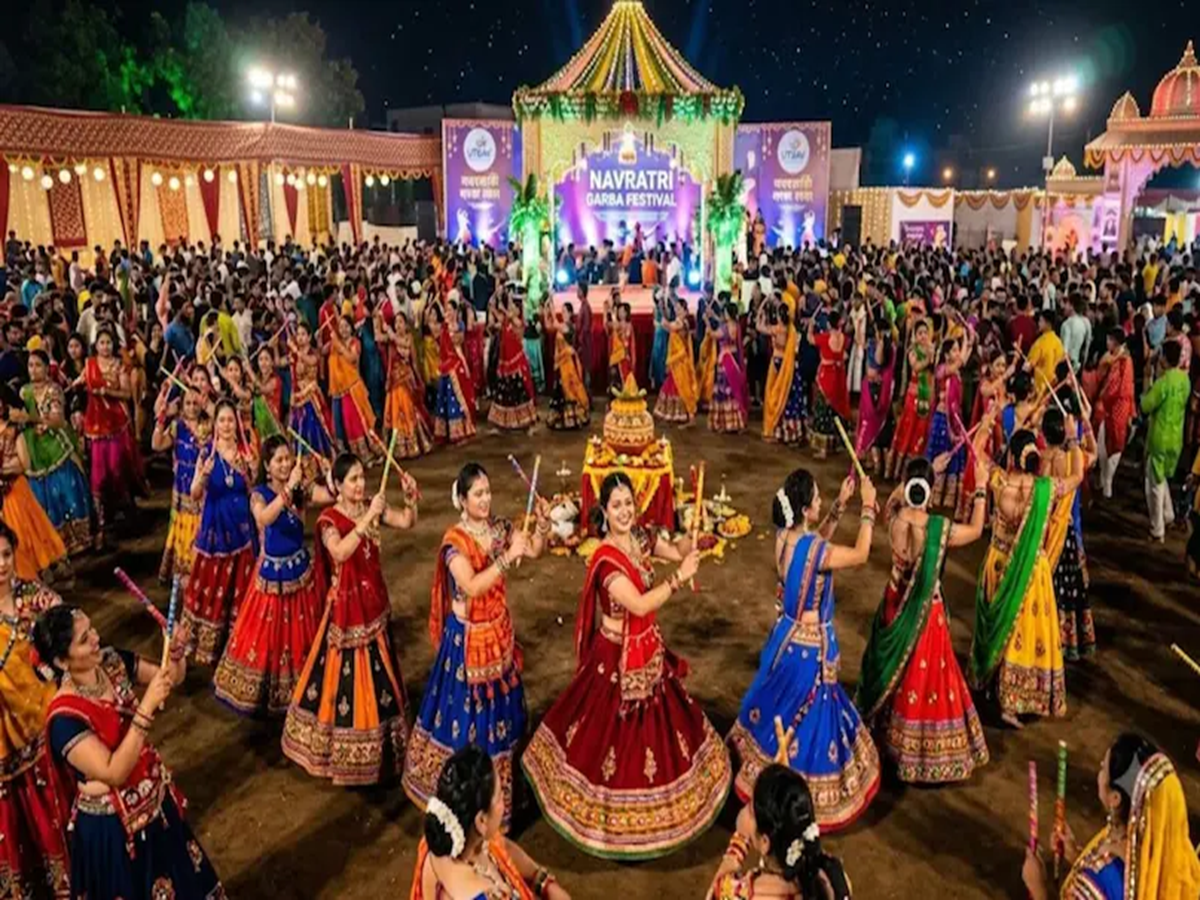
Navratri Garba Mysteries: It is impossible to talk about Navratri without mentioning Garba. Preparations for Navratri and Garba begin many days in advance. The Garba performed during Navratri is a remarkable example of this cultural and religious tradition. Once confined to Gujarat, Garba has now become synonymous with the worship of the Divine Feminine (Shakti) across the globe. This dance, performed while moving in a circular formation, symbolizes the idea that the entire universe is in constant motion, with Goddess Durga at its center.
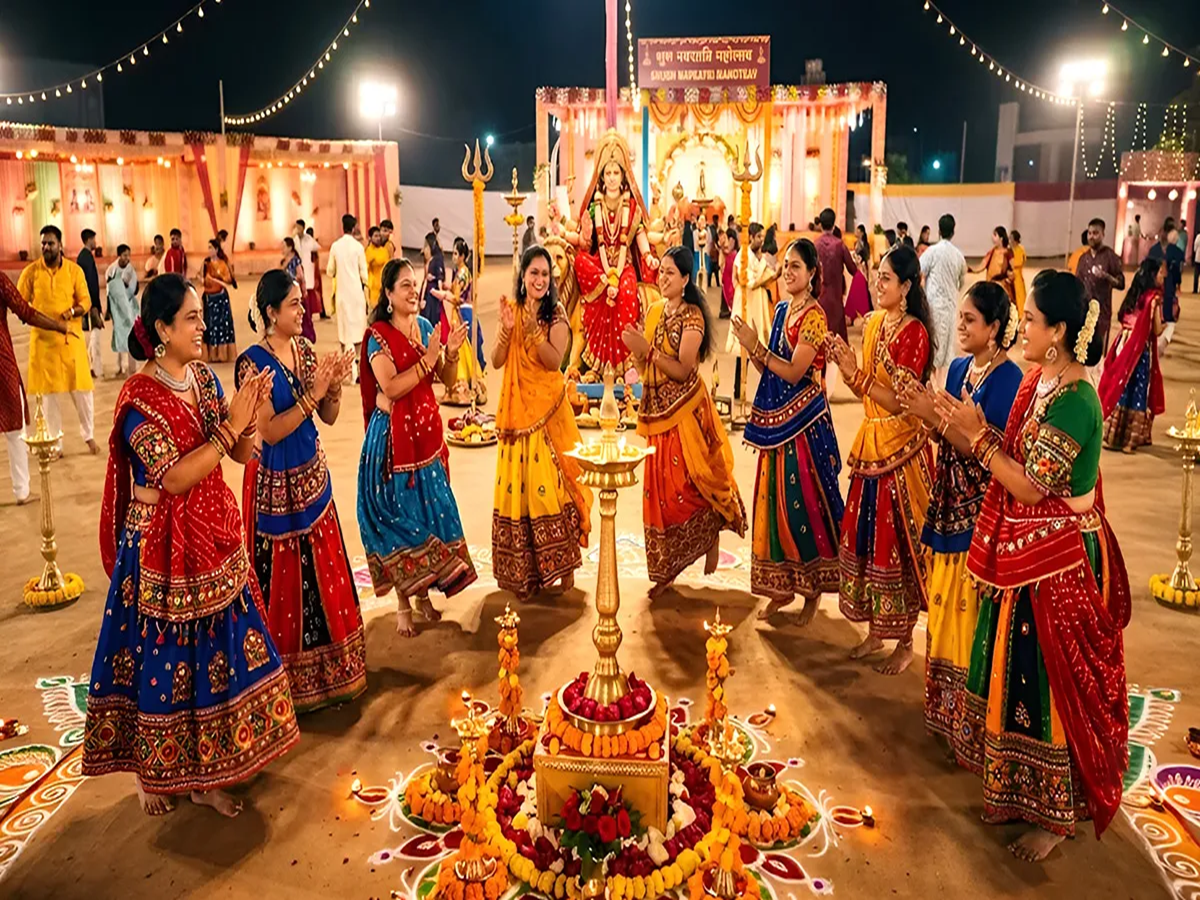
Throughout the nine days of Navratri, devotees offer their energy and devotion at the feet of the Mother Goddess through the medium of the Garba dance. But do you know why an earthen pot containing a lamp is placed at the center of the Garba, and what the belief behind it is? Let us explore the religious significance, cultural heritage, and the mythological beliefs hidden behind the Garba dance during Navratri.
The Earthen Pot with Holes at the Center of Garba – The term 'Garba' is derived from the Sanskrit word 'Garbha,' which means 'womb' or 'creation.' In Hinduism, the circular formation represents the eternal cycle of birth, life, death, and rebirth. At the center of the Garba, an earthen pot with holes—known as a 'Garbo'—is placed, containing a lit lamp (referred to as 'Garbha Deep'). The earthen pot represents the creative power of the feminine and the life developing within the womb, while the divine flame burning inside the pot symbolizes the energy of the Mother Goddess and the essence of life itself.
A Symbol of Goddess Durga’s Power – This lamp is considered a symbol of the energy of life and the power of Goddess Durga. Participants dance in a circle around it, expressing their reverence and devotion toward the Mother Goddess. During the Garba, individuals can join or leave the group freely; this fosters a sense of brotherhood, unity, and collective energy, while helping to eliminate feelings of discrimination within society.
Worship and Devotion to 'Maa Shakti' (Divine Feminine Power) – Moving in a circular motion creates a rhythm within the body and facilitates the flow of positive energy. Traditionally, this is performed barefoot, allowing the body to connect directly with the energy of the Earth. Garba is not merely a dance; it is a form of worship and devotion to 'Maa Shakti'. For this reason, it is performed barefoot, treating the space with the same reverence as a temple or a place of worship. In the Sanatan tradition, footwear is considered a symbol of worldly attachments and ego; removing it to dance signifies surrender and humility.
The Three Claps in Garba – During Garba, participants clap three times. These claps represent the three divine aspects—Brahma (the power of will/desire), Vishnu (the power of action), and Shiva (the power of knowledge)—as well as the awakening of 'Maa Amba'. During Navratri, 'Dandiya' is also played alongside Garba; the sticks used in this dance represent the sword of 'Maa Durga', symbolizing the victory of good over evil.
Dandiya and Divine Weapons – The 'Dandiya Raas' performed alongside Garba symbolizes the weapons held by 'Maa Durga'—such as her sword and *trishul* (trident)—conveying the message of destroying unrighteousness (*adharma*) and protecting righteousness (*dharma*). Throughout this nine-day festival, the Divine Mother is worshipped through Garba, a dance that helps dispel all the negativity residing within the mind. Originating in Gujarat, this dance is now celebrated with great enthusiasm across India and throughout the world. In December 2023, UNESCO inscribed Garba on its Representative List of the Intangible Cultural Heritage of Humanity.
PC Social Media