Food & recipe
Flaky semolina mathri—infused with the rich flavor of ghee and carom seeds (ajwain). Here’s the recipe..
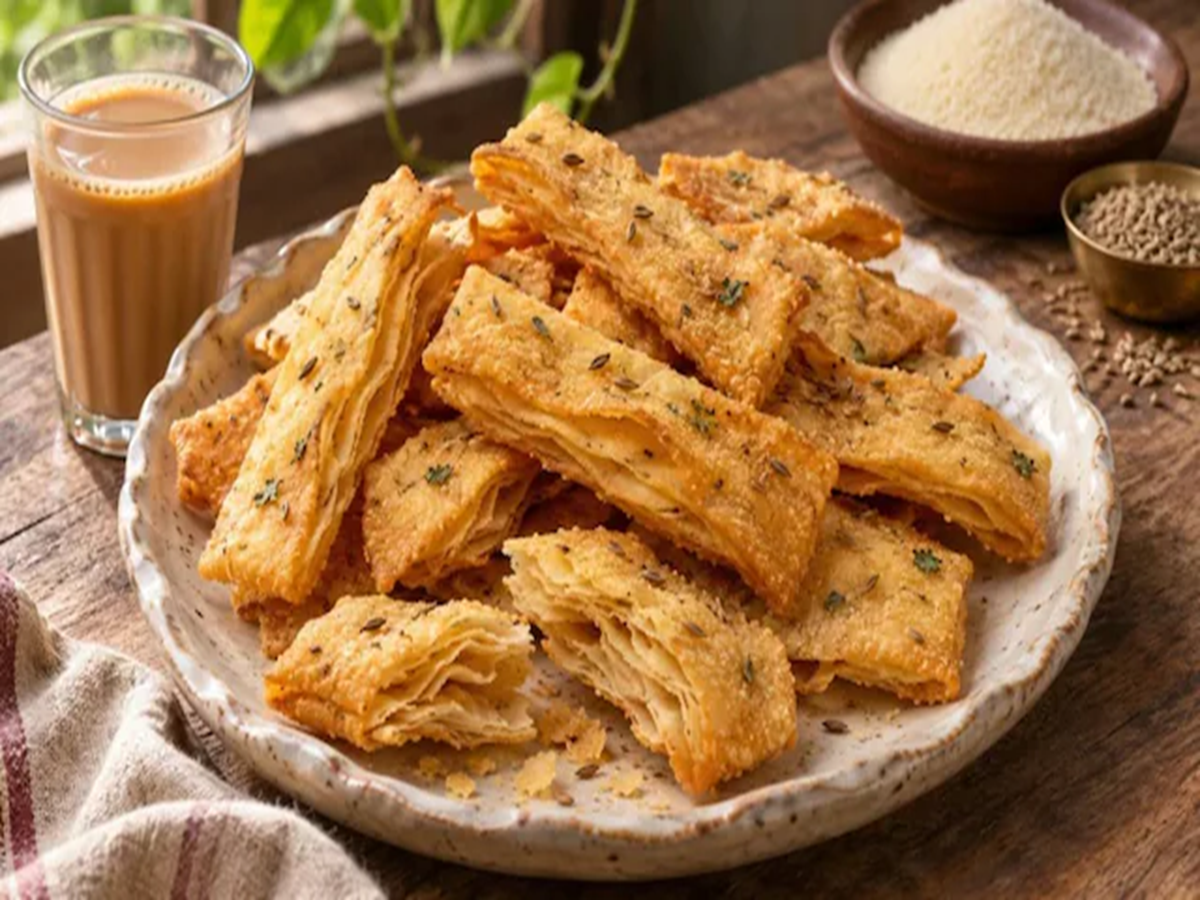
Suji Mathri Recipe: If you’re craving something savory and crunchy to go with your evening tea, nothing beats the taste of homemade *mathri*. You don’t always have to use all-purpose flour (*maida*) to make them; you can prepare delicious, flaky *mathris* using fine semolina (*suji*)—a staple already in your kitchen. Infused with the aromas of cumin, carom seeds (*ajwain*), and dried fenugreek leaves (*kasuri methi*), these *mathris* get their signature crispiness from the addition of *ghee* (clarified butter) as a shortening agent. Whether you are hosting guests during a festival or simply want to keep a savory snack on hand for your family, this recipe is perfect. While the ingredients are simple, achieving the best results requires careful attention to kneading the dough, letting it rest, and frying it at the right temperature.
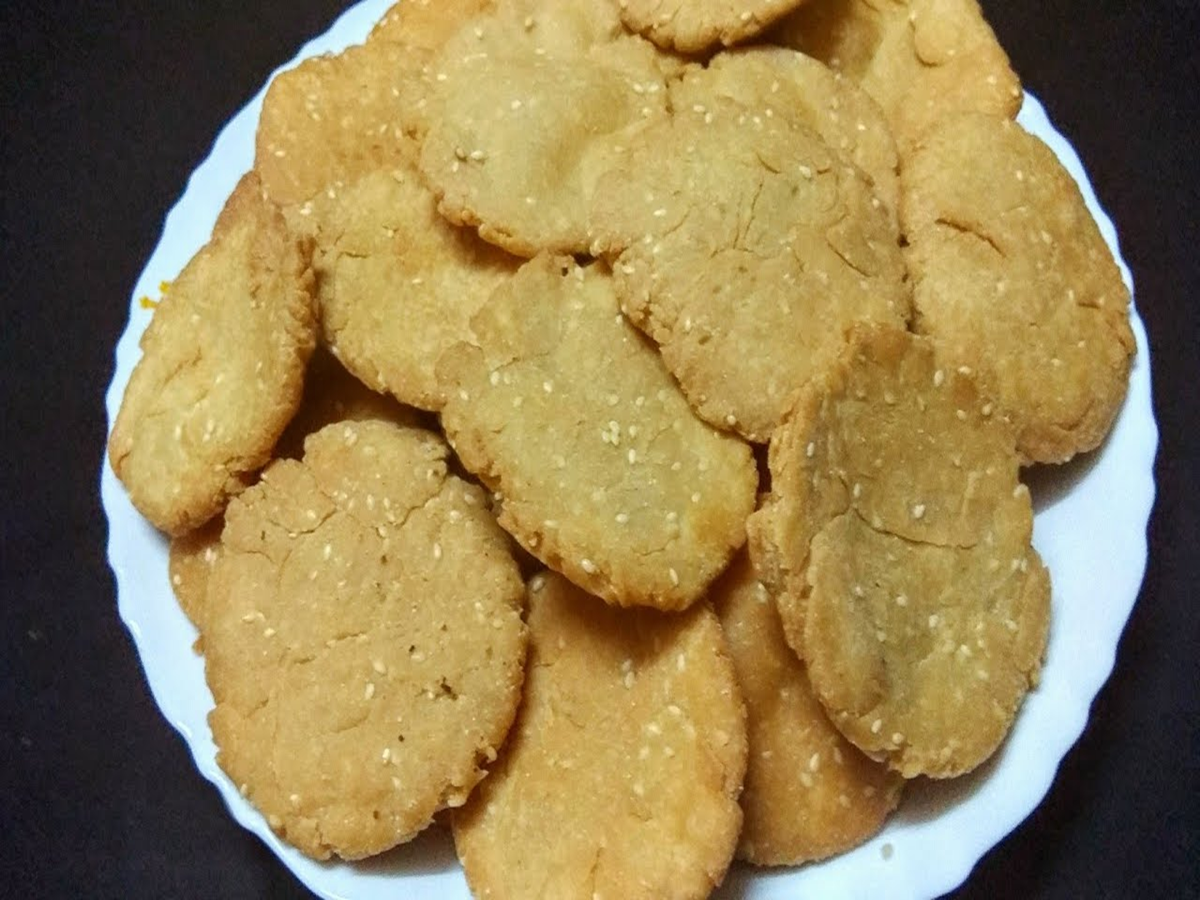
It is especially important to allow the semolina enough time to absorb the water, which makes the dough much easier to roll out. This method is inspired by a recipe from 'Aashi Ki Rasoi'. Read on to learn the complete process for making *suji mathri*, along with a few key tips to enhance its flavor and texture.
Ingredients for *Mathri*
To make these *mathris*, you will need fine semolina, *desi ghee*, cumin seeds, carom seeds (*ajwain*), dried fenugreek leaves (*kasuri methi*), chili flakes, and salt to taste. You will also need oil for frying and water for kneading the dough. Additionally, keep some extra *ghee* and finely ground semolina on hand to create the flaky layers. Since the exact quantity of semolina isn't specified, adjust the amount of *ghee* and spices based on the quantity of semolina you are using. You can omit the chili flakes if you prefer. If your semolina is coarse, pulse it briefly in a mixer to make it finer; this will help in creating a uniform dough.
Mixing the Spices into the Semolina
Place the semolina in a wide mixing bowl. Add the cumin seeds, carom seeds (lightly crushed between your palms), dried fenugreek leaves, chili flakes, and salt. Crush the *kasuri methi* (dried fenugreek leaves) between your palms before adding it; this ensures it gets evenly distributed throughout the mixture. Mix the dry ingredients thoroughly first, so that the salt is distributed uniformly—you don’t want some *mathris* to be saltier than others. There is no need to use an excessive amount of spices; a subtle flavor complements tea perfectly and allows the natural texture of the *suji* (semolina) to shine through.
Don’t rush the process of incorporating the *moyan* (shortening/ghee).
Add the ghee to the semolina mixture and rub it in well using your fingertips. Do not simply pour the ghee over the top and immediately add water; allow it to coat the semolina thoroughly first. While the original recipe may suggest two spoonfuls of ghee, the size of the spoon and the exact quantity of semolina are not specified, so do not treat this as a fixed ratio for every batch. After incorporating the ghee, test the mixture by squeezing a portion in your fist—if it holds its shape, you can proceed to add water.
Knead a firm dough and cover it.
Add water gradually—not all at once—and knead into a firm dough. It should not be as soft as dough used for *rotis* (flatbreads), nor should it be so dry that it crumbles when pressed. Once kneaded, cover the container and let it rest for about 20 minutes; this allows the semolina to absorb the moisture. Afterward, knead the dough again with your hands. If it feels too stiff, dampen your hands and knead it a little more. Add water with caution, as dough that is too wet can make it difficult to shape the *mathris*.
Create layers using ghee and fine semolina.
Divide the rested dough into equal portions. Take one portion and roll it out on a rolling board into a flat, *roti*-like shape—it does not need to be rolled out very thinly. Spread a thin layer of ghee over the surface and sprinkle a very light dusting of finely ground semolina on top. (If you prefer not to use *maida*—all-purpose flour—do not add it at this stage either.) Ensure that the layers of ghee and semolina are not too thick. A thin layer is sufficient to keep the layers of dough separate.
Shape by folding gently
Fold the rolled-out dough from one side. If needed, lightly apply some ghee and a sprinkle of fine semolina (sooji) on the exposed surface before folding it again. Now, use a rolling pin to gently roll it out into an elongated shape; applying too much pressure might compress the layers you have created. Next, use a knife to cut the dough into long strips or small square pieces. Ensure that all the pieces are roughly the same thickness so that they cook evenly. Prepare similar *mathris* (savory crackers) from the remaining dough and keep them covered until you are ready to fry them.
Pay attention to the oil temperature and heat.
Heat oil in a deep pan (kadhai). To check if the oil is at the right temperature, drop in a small piece of dough; if gentle bubbles form around it and it rises to the surface slowly, the oil is ready for frying. If the piece turns brown rapidly upon being added, the oil is too hot. Do not add too many *mathris* at once. Fry them over low to medium heat, turning them over carefully from time to time. Frying on high heat may cause the exterior to brown too quickly, while the inside will remain undercooked.
Remove once golden and let cool.
Once the *mathris* turn light golden and crispy on both sides, remove them using a slotted spoon. Allow the excess oil to drain off, then spread them out on a clean, dry plate. Avoid frying them until they turn dark brown, as this can spoil the flavor. Once the first batch has cooled slightly, break one *mathri* open to check it; if the inside seems soft or undercooked, adjust the heat and frying time for the next batch. Only store the *mathris* in a container once they have cooled down completely.
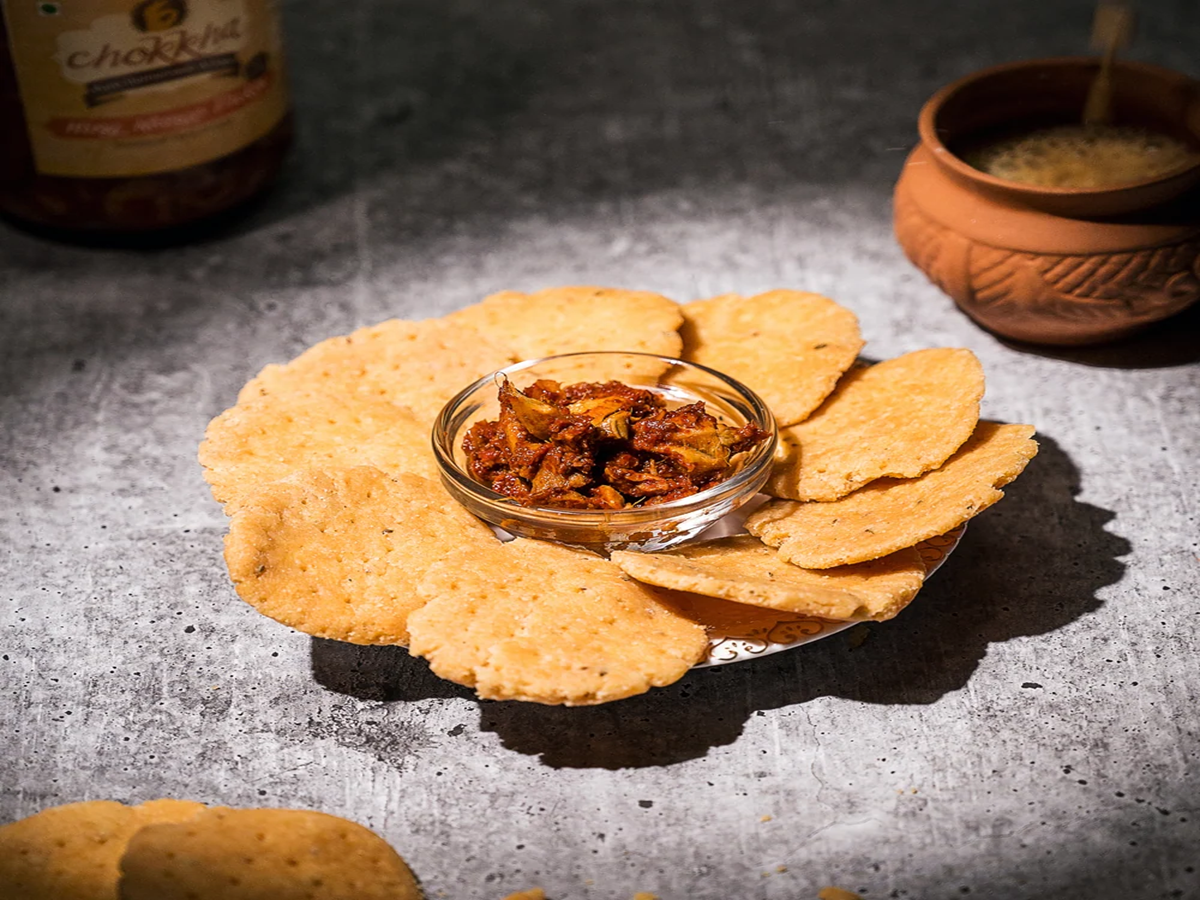
Proper storage ensures they stay crispy.
Store the prepared *mathris* in a clean, dry, airtight container. Storing them while still hot can cause steam to build up inside, which will make them lose their crispiness. Use a dry spoon or clean, dry hands to take them out. The shelf life of homemade *mathris* depends on factors like the oil used, moisture levels, weather conditions, and how they are stored; therefore, it would be inaccurate to claim they will remain good for six months without checking. Prepare them in smaller quantities, and do not consume them if there is any change in their smell, taste, or texture.
PC Social Media