
LIFESTYLE
Even gym-goers and those who look fit can have high cholesterol; ask your doctor these 3 questions to prevent it..

Cases of heart attacks and heart diseases are rising rapidly these days. A major factor behind this is an increase in 'bad' cholesterol levels. The most dangerous aspect is that there are no visible symptoms during the early stages of rising bad cholesterol.
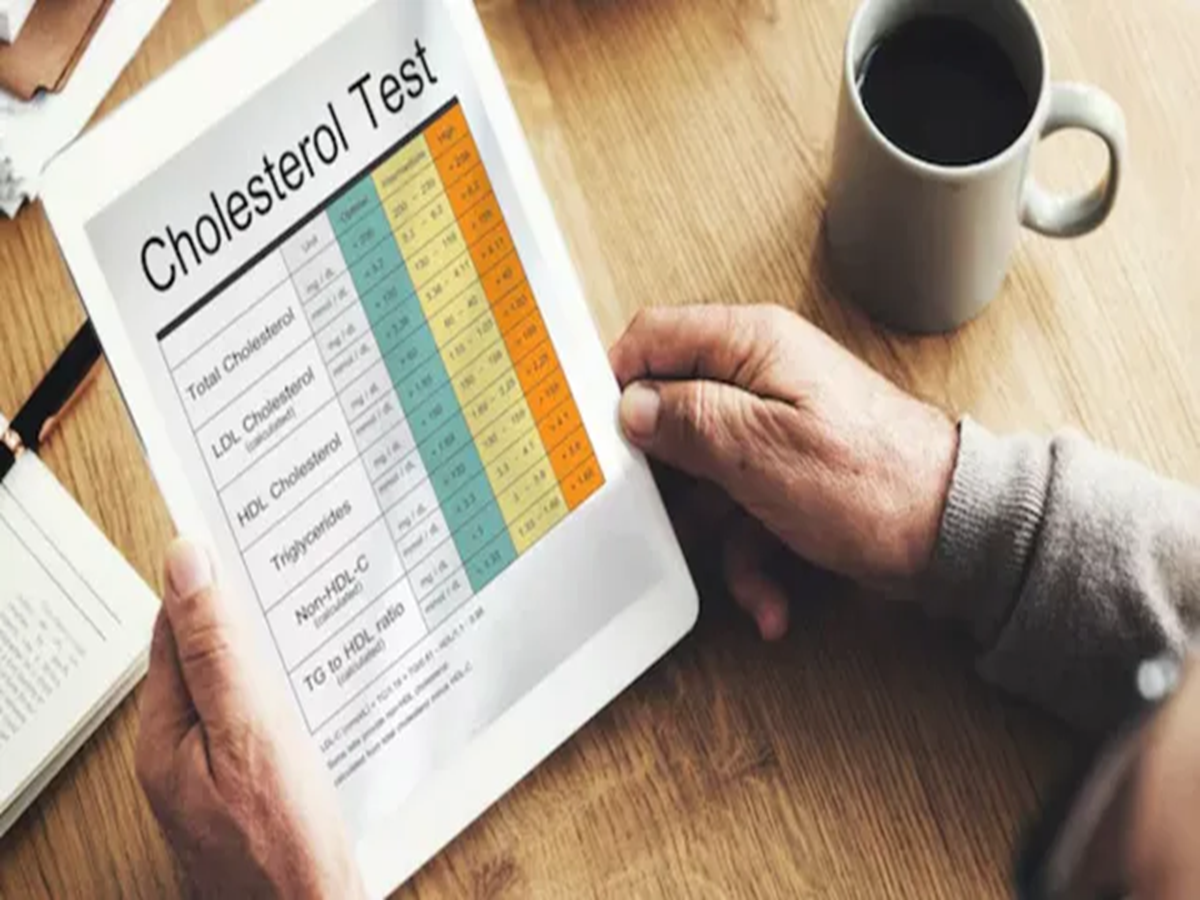
Consequently, it silently builds up in the body without any warning signs, eventually leading to heart attacks or heart diseases. Therefore, regular lipid profile checkups are essential, and there are three key questions you should ask your doctor about them. Let’s find out what these questions are.
Does bad cholesterol affect only older people?
It is commonly believed that advancing age or a lack of physical activity are the primary causes of heart disease; however, the reality is that high levels of bad cholesterol are not limited to the elderly or those leading an unhealthy lifestyle.
Even if you are young, exercise regularly, and maintain a healthy diet, your blood cholesterol levels could still be high due to genetics or family history. In other words, appearing fit does not guarantee that your cholesterol levels are under control.
This is why one should start getting regular lipid profile tests done from the age of 18. Early detection allows for timely treatment and helps reduce the future risk of heart attacks.
What should you ask the doctor?
What is my bad cholesterol level?
Bad cholesterol is responsible for the buildup of plaque in our arteries. Since it presents no visible symptoms, it is crucial to know the exact level of bad cholesterol through a lipid test.
What should be my personal target based on my health?
A 'safe' cholesterol level is not the same for everyone. According to the Cardiology Society of India, your personal target depends on your overall heart health. Low risk – Less than 116 mg/dL
Moderate risk – Less than 100 mg/dL
High risk (e.g., diabetes, high blood pressure, or kidney disease) – Less than 70 mg/dL
For those at very high risk – The target should be to keep cholesterol levels below 55 mg/dL.
Have I reached my target level? If not, what are my options?
Merely taking medication or eating a healthy diet is not enough to control cholesterol levels. If cholesterol levels do not decrease despite lifestyle changes and medication, the doctor may alter the treatment approach. For individuals in the high-risk category, doctors may also consider advanced therapies.
PC Social Media