
Business
EPF Withdrawal Rules After Retirement: Don't Rush to Withdraw Your Entire PF Corpus; Here's Why Waiting Can Be a Smarter Decision
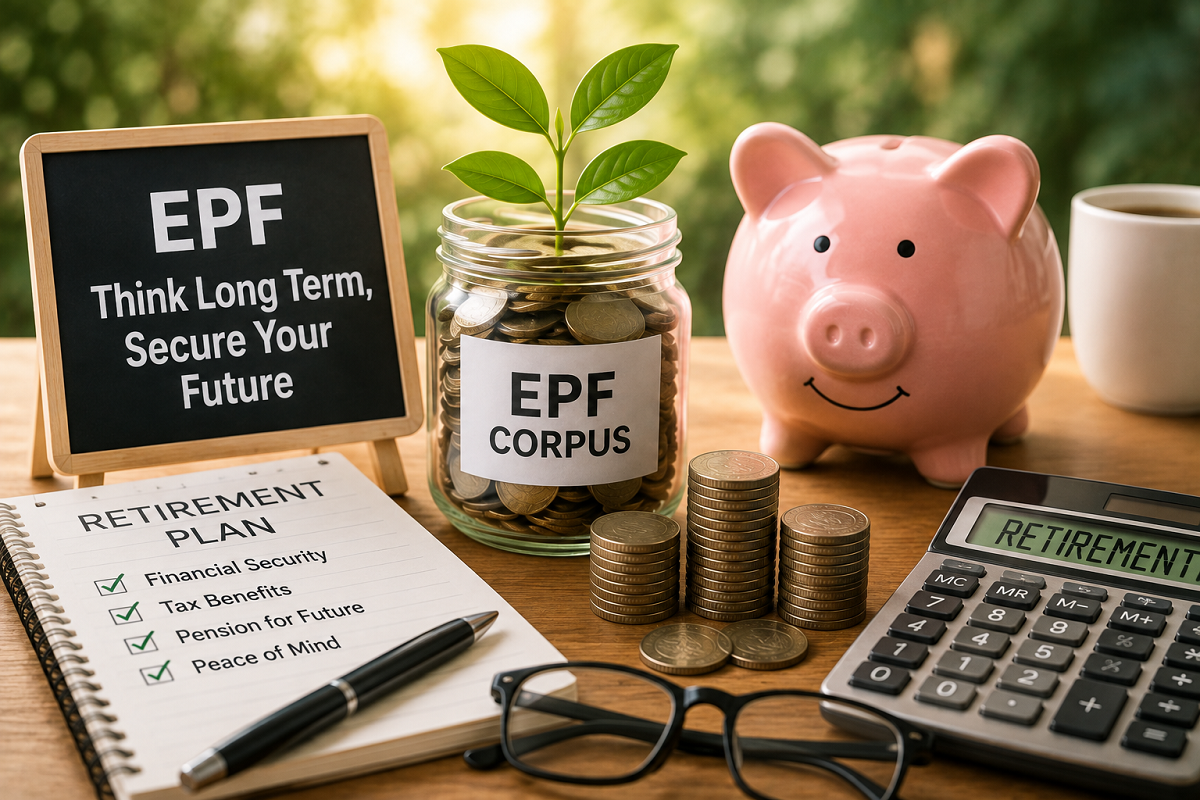
EPF Account Rules After Retirement: For most salaried employees, the Employees' Provident Fund (EPF) serves as one of the biggest financial pillars after retirement. Over the years, monthly employee contributions, employer deposits and compound interest help build a sizeable retirement corpus. However, many retirees believe they must withdraw the entire PF amount immediately after leaving their job. In reality, EPFO rules allow your savings to continue earning interest even after retirement under certain conditions.
Is It Necessary to Withdraw the Entire PF Amount Immediately?
The answer is No.
EPFO does not require members to withdraw their provident fund immediately after retirement. If you do not need the money for urgent expenses such as medical treatment, home renovation, debt repayment or family obligations, you may choose to leave the balance in your EPF account.
Keeping the money invested for some time may help you earn additional returns instead of moving the funds to a lower-interest savings account.
EPF Continues to Earn Interest After Retirement
One of the most misunderstood aspects of EPF is the interest rule after retirement.
According to EPFO provisions:
- Your EPF balance continues to earn interest for up to three years after retirement, subject to applicable EPFO rules.
- During this period, your accumulated savings continue to grow without requiring fresh contributions.
- Only after this period, if no eligible transaction takes place, the account may be treated as inactive under applicable EPFO norms.
This makes delaying withdrawal a sensible option for retirees who do not need immediate access to their savings.
Why Immediate Withdrawal May Not Be the Best Financial Decision
Many retirees transfer their entire PF balance into a regular savings account after retirement.
However, this may not always be financially beneficial because:
- EPF generally offers a significantly higher interest rate than a standard savings account.
- Savings bank accounts usually provide around 3–4% annual interest, while EPF interest rates are considerably higher, depending on the rate declared by EPFO for the financial year.
- Leaving the money in EPF for some time can help generate additional returns without taking market risk.
Don't Ignore the Employees' Pension Scheme (EPS)
Retirement planning should not focus only on the EPF corpus.
If you have completed at least 10 years of eligible service, you may also qualify for a monthly pension under the Employees' Pension Scheme (EPS) after attaining the prescribed retirement age.
While EPF provides a lump-sum retirement corpus, EPS offers a regular monthly pension that can support your post-retirement expenses.
Smart Ways to Manage Your EPF Corpus
Financial planners generally recommend avoiding emotional decisions immediately after retirement.
Here are a few practical approaches:
Avoid Hasty Investment Decisions
Do not invest your entire retirement corpus in high-risk products or unfamiliar investment schemes simply because someone recommends them.
Consider Phased Withdrawals
Instead of withdrawing the entire amount at once, you may consider withdrawing money gradually based on your financial needs while allowing the remaining balance to continue earning returns wherever applicable.
Assess Your Total Retirement Income
Before deciding how much PF money to withdraw, evaluate all your retirement income sources, including:
- EPF corpus
- EPS pension
- Fixed deposits
- Rental income
- Other investments
A clear understanding of your monthly income can help you make better financial decisions.
Keep Liquidity and Tax Planning in Mind
Maintain sufficient liquid funds for emergencies while also considering tax implications before moving your retirement corpus into other investment options.
Should You Withdraw or Wait?
The decision depends on your financial requirements.
You may consider leaving your PF balance untouched if:
- You have adequate funds for immediate expenses.
- You want your retirement corpus to continue earning interest.
- You do not require a large lump sum immediately after retirement.
On the other hand, partial or complete withdrawal may be appropriate if you have significant financial commitments or wish to restructure your retirement investments.
Final Takeaway
Retirement does not automatically mean you must withdraw your entire EPF balance. Understanding EPFO rules can help you avoid costly financial mistakes. Since your EPF balance can continue earning interest for a specified period after retirement, taking a well-planned approach instead of making an immediate withdrawal could help strengthen your long-term financial security.
Disclaimer: This article is intended for general informational purposes only. EPFO rules and interest rates are subject to change. Investors and retirees should verify the latest guidelines or consult a qualified financial advisor before making financial decisions.