
LIFESTYLE
Somvar Fasting: Observing the Sawan Monday fast? Patients with diabetes and high blood pressure must take note of this medical advice..
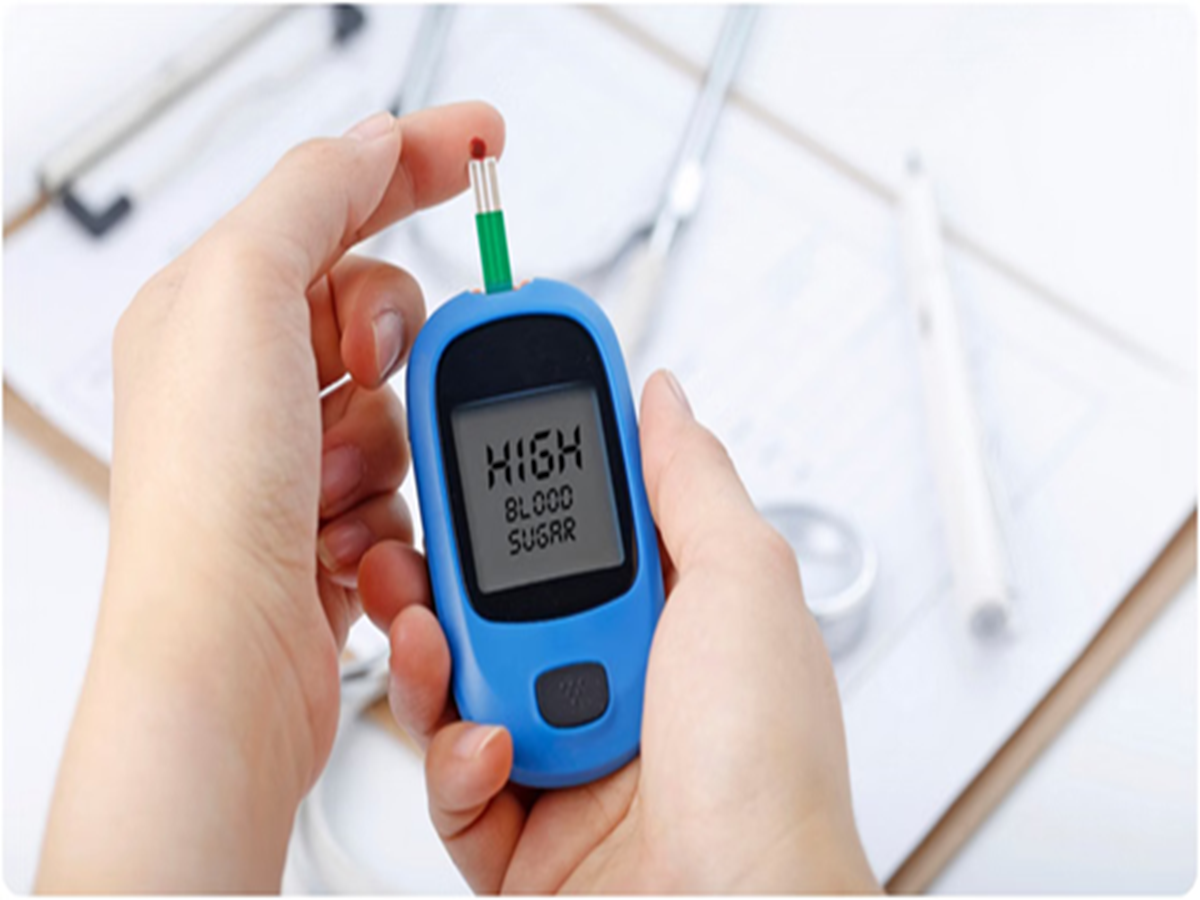
The month of Sawan is considered the most sacred time for worshipping Lord Shiva. During this period, millions of devotees observe the Monday fast, abstaining from food all day while performing prayers and rituals. However, is fasting advisable for everyone from a health perspective? Specifically, can those with pre-existing conditions like diabetes or heart disease also fast?

Health experts state that while religious faith is important, maintaining one's health is equally crucial. Fasting can sometimes pose challenges for individuals suffering from diabetes or high blood pressure.
For diabetic patients, prolonged fasting can lead to sudden drops or spikes in blood sugar levels. Similarly, patients with high blood pressure may experience fluctuations due to dehydration or irregularities in medication intake. Many people skip their medication thinking it should not be taken during a fast, but doing so can lead to serious health risks.
If you suffer from these conditions and intend to fast, there are some important points you should know first.
Fasting with Diabetes or High Blood Pressure
Experts say that if diabetes or high blood pressure is well-controlled, one can fast with caution and under medical advice. However, patients whose blood sugar levels fluctuate frequently, or those who have recently suffered a heart attack, stroke, or kidney disease, should not go without food for extended periods without consulting a doctor.
Doctors note that having diabetes does not mean you can never fast; however, keeping your blood sugar under control is paramount.
Patients with Type-1 diabetes, those prone to frequent hypoglycemia, pregnant women, and individuals with severe kidney disease should avoid fasting.
Monitoring blood sugar levels becomes even more critical during a fast.
What problems can arise from prolonged fasting?
Going without food for an extended period during a fast can cause glucose levels in the body to drop. For diabetic patients, this increases the risk of hypoglycemia. On the other hand, some people consume sweets, sago (*sabudana*), potatoes, or fried fasting foods (*falahar*) while fasting, which can cause blood sugar levels to spike rapidly.
Similarly, patients with high blood pressure may experience dehydration due to prolonged periods without water intake, which directly affects blood pressure. In such situations, individuals may suffer from extreme weakness, fainting, or severe headaches.
What to do during the fast?
If you have high blood pressure or diabetes and are observing a fast, certain precautions are necessary.
Choose fasting foods that have a low glycemic index.
Milk, yogurt, peanuts, fox nuts (*makhana*), almonds, walnuts, and coconut water are good options.
Avoid fried foods and sweets.
Patients with high blood pressure should also consume rock salt (*sendha namak*) in limited quantities, as it is a source of sodium.
Keep these points in mind as well:
Doctors advise that if blood sugar drops below 70 mg/dL, or if one experiences persistent dizziness, tremors in the limbs, or a feeling of faintness during the fast, the fast should be broken immediately. Similarly, fasting is not safe if blood pressure rises excessively or drops significantly.
PC Social Media