LIFESTYLE
During the Chhath fast, is it only the person observing the fast who abstains from onion and garlic? know..
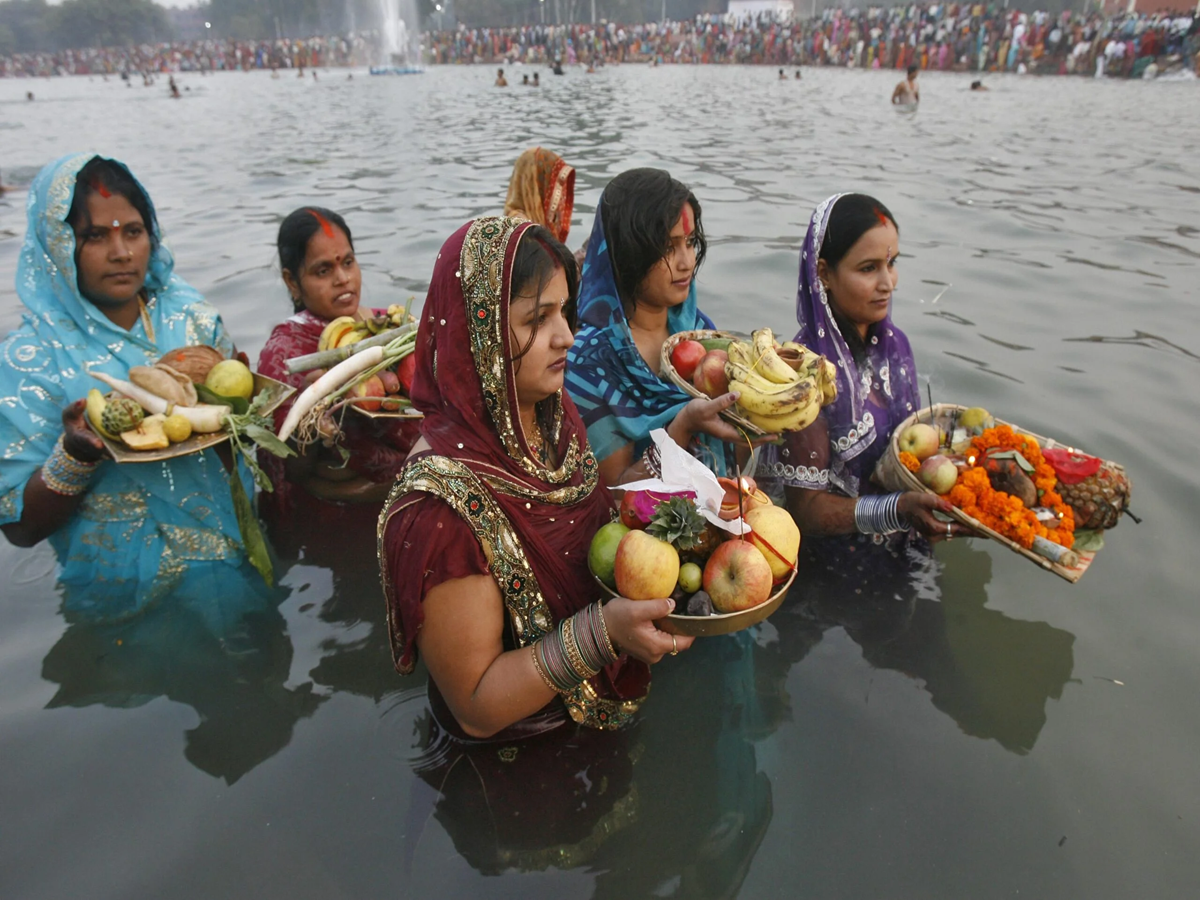
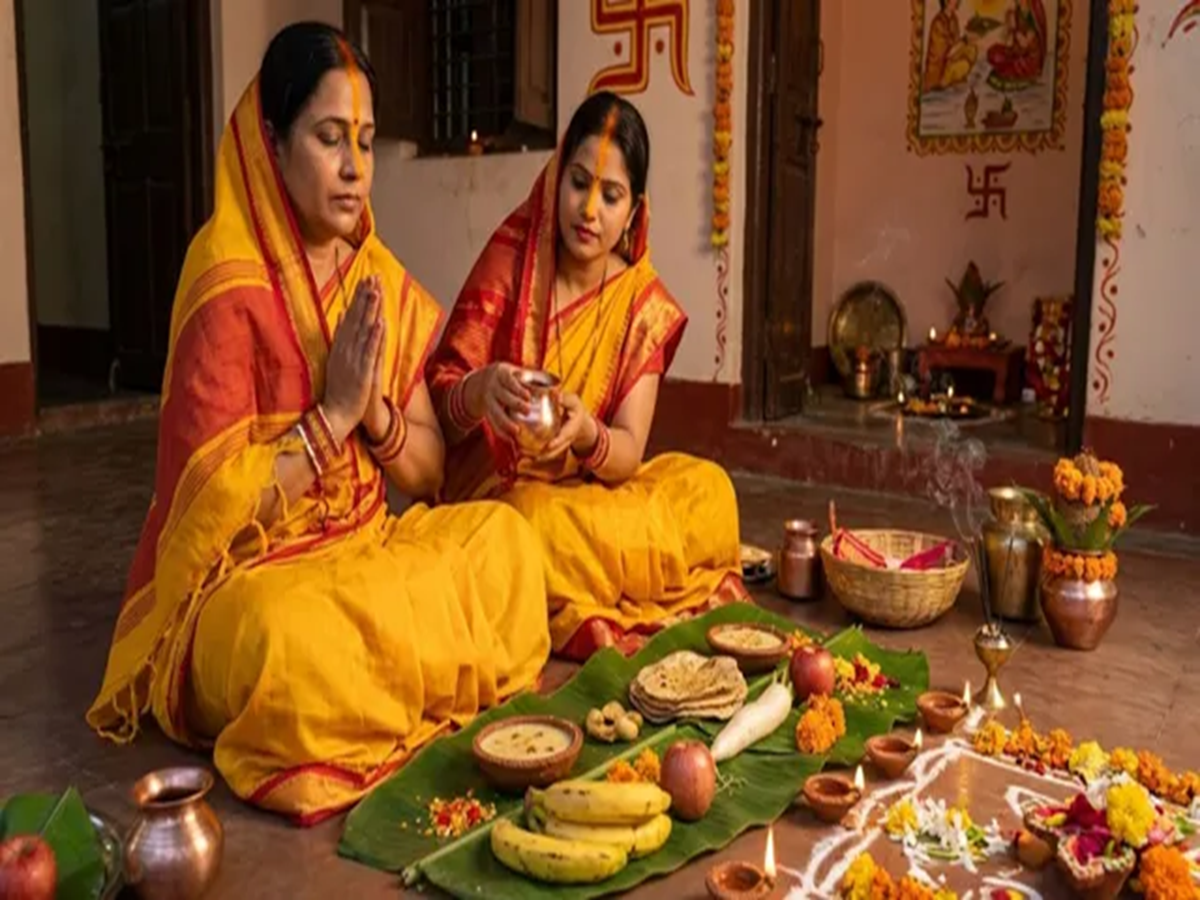
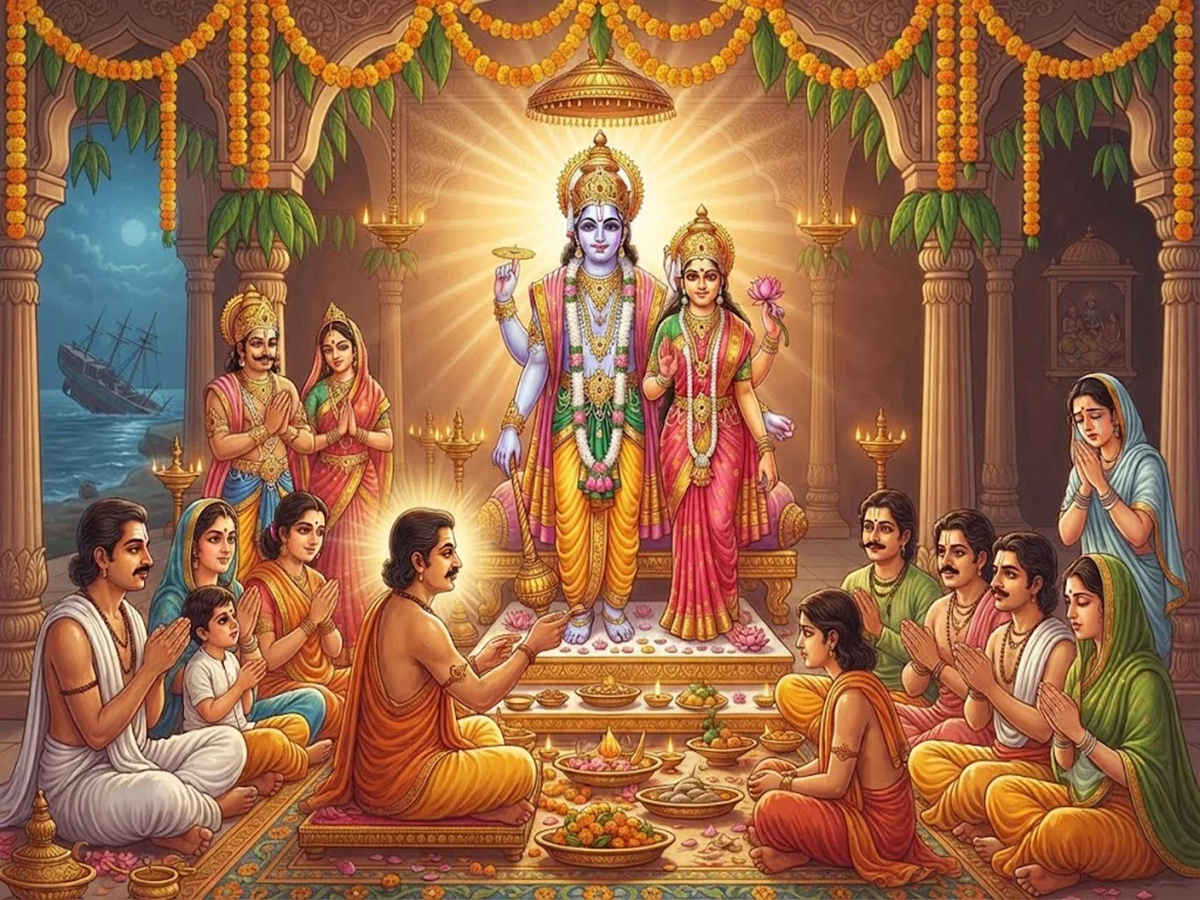
Chhath Puja Fasting Rules: The Chhath festival has begun today with the 'Nahay-Khay' ritual. Those observing the Chhath fast follow several rules, ranging from dietary guidelines to strict standards of cleanliness. During this period, *sattvic* (pure/wholesome) food is prepared, and the use of onion and garlic is avoided. But does this rule apply only to those observing the fast, or should other family members also abstain from these items?
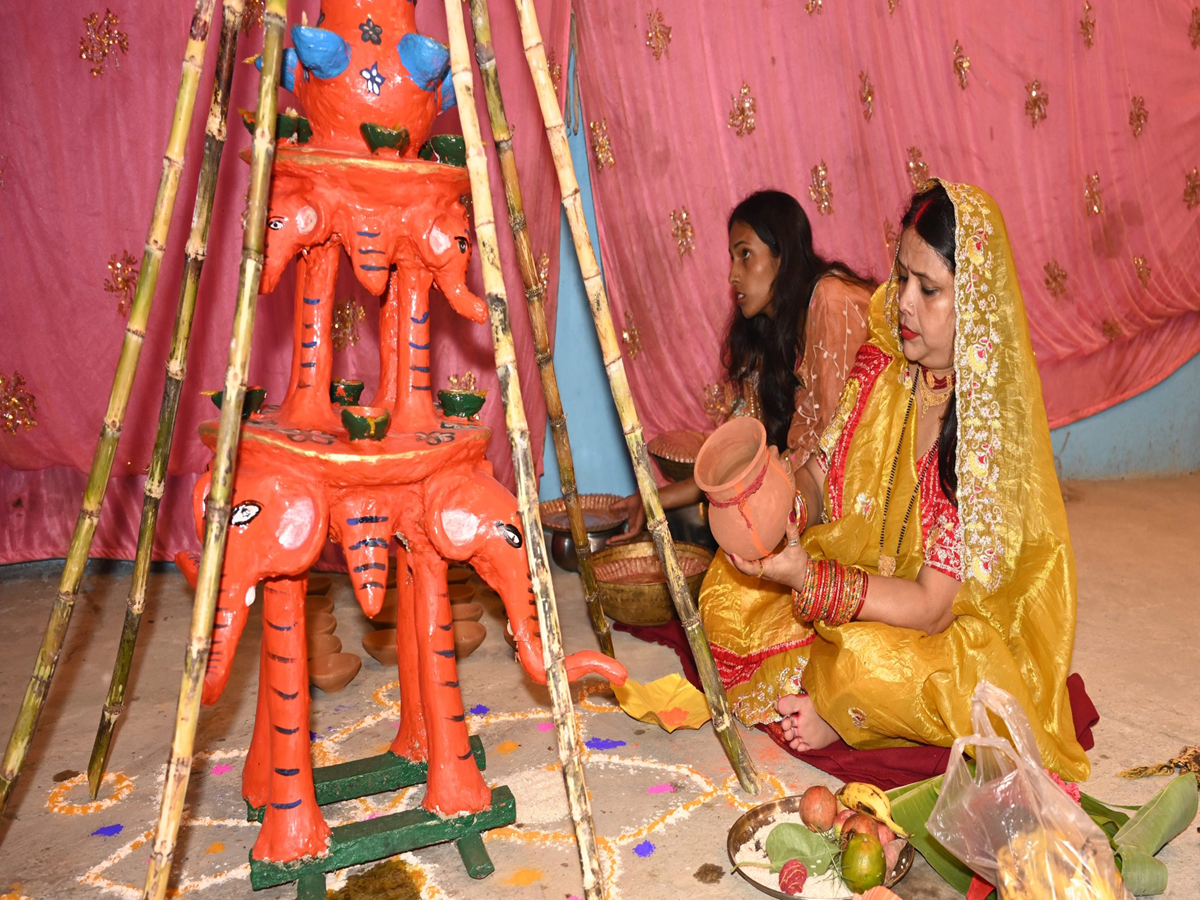
In reality, Chhath is not just a festival for the person observing the fast; it is a celebration deeply rooted in the faith and traditions of the entire family. Consequently, certain dietary rules during this period also apply to other members of the household.
During Chhath, the entire family—not just the person fasting—is mindful of dietary practices.
The rule to abstain from onion and garlic during Chhath Puja is not limited solely to the person observing the fast. In many families across Bihar, Jharkhand, and Eastern Uttar Pradesh, *sattvic* food is prepared for the entire household throughout the four days of Chhath. Other family members also refrain from consuming onion, garlic, meat, and fish.
A significant reason for this is that every member of the household is involved in Chhath Puja in some capacity—whether by preparing *prasad* (offerings), assisting with ritual preparations, or accompanying the person fasting to the *ghat* (riverbank). In this context, the household's dietary habits are also considered an integral part of the festival's traditions. However, it is worth noting that these practices may vary from family to family.
Why are onion and garlic avoided during Chhath Puja?
In religious tradition, onion and garlic are categorized as *tamasic* (impure or stimulating) foods. Conversely, Chhath Puja places a strong emphasis on *sattvic* purity, meticulous cleanliness, and self-restraint. For this reason, onion and garlic are never used in the food or *prasad* prepared for the festival.
During Chhath, items such as *thekua*, *kheer*, rice, lentils, and other dishes are prepared with the utmost attention to hygiene and cleanliness. In many households, separate cooking vessels and stoves are specifically used for the preparation of *prasad*. The person preparing the food is also required to bathe and wear clean clothes. Tasting the *prasad* (offering) is strictly avoided.
Do all family members have to follow dietary restrictions throughout the four days of Chhath?
The four days of Chhath consist of the rituals of Nahay-Khay, Kharna, Sandhya Arghya, and Usha Arghya. Dietary rules within the household begin with Nahay-Khay. On this day, those observing the fast consume a *satvik* (pure/simple) meal consisting of *kaddu-bhat* (pumpkin and rice), *chana dal* (split Bengal gram), and rice. In many households, other family members also partake in this same meal.
On the day of Kharna, those observing the fast remain without food or water throughout the day and, in the evening, consume *prasad* consisting of *gur ki kheer* (jaggery-based rice pudding) and *roti* (flatbread). Following this, a *nirjala* (waterless) fast—lasting approximately 36 hours—begins. During this period, those observing the fast abstain from both food and water. While other family members may eat normally, many households choose to prepare only *satvik* food during this time.
It is important to note that the rule of the *nirjala* fast applies only to the person observing the fast, not to every member of the family. However, it is a tradition in many households for the entire family to abstain from onions, garlic, and non-vegetarian food.

Do the men in the household also avoid onions and garlic during Chhath?
Yes, if a family follows the tradition of consuming only *satvik* food during Chhath, then the men must also abstain from onions and garlic. It is not just women who can observe the Chhath fast; men can also participate. A person who observes the fast is referred to as a *parvaitin* or *vrati*. Other family members, while not fasting themselves, assist with the preparations for the *puja* (worship) and help ensure that the prescribed rules are followed.
PC Social Media