Parenting
Does your child also make excuses to avoid going to school? Don't ignore it; it could be a sign of bullying..
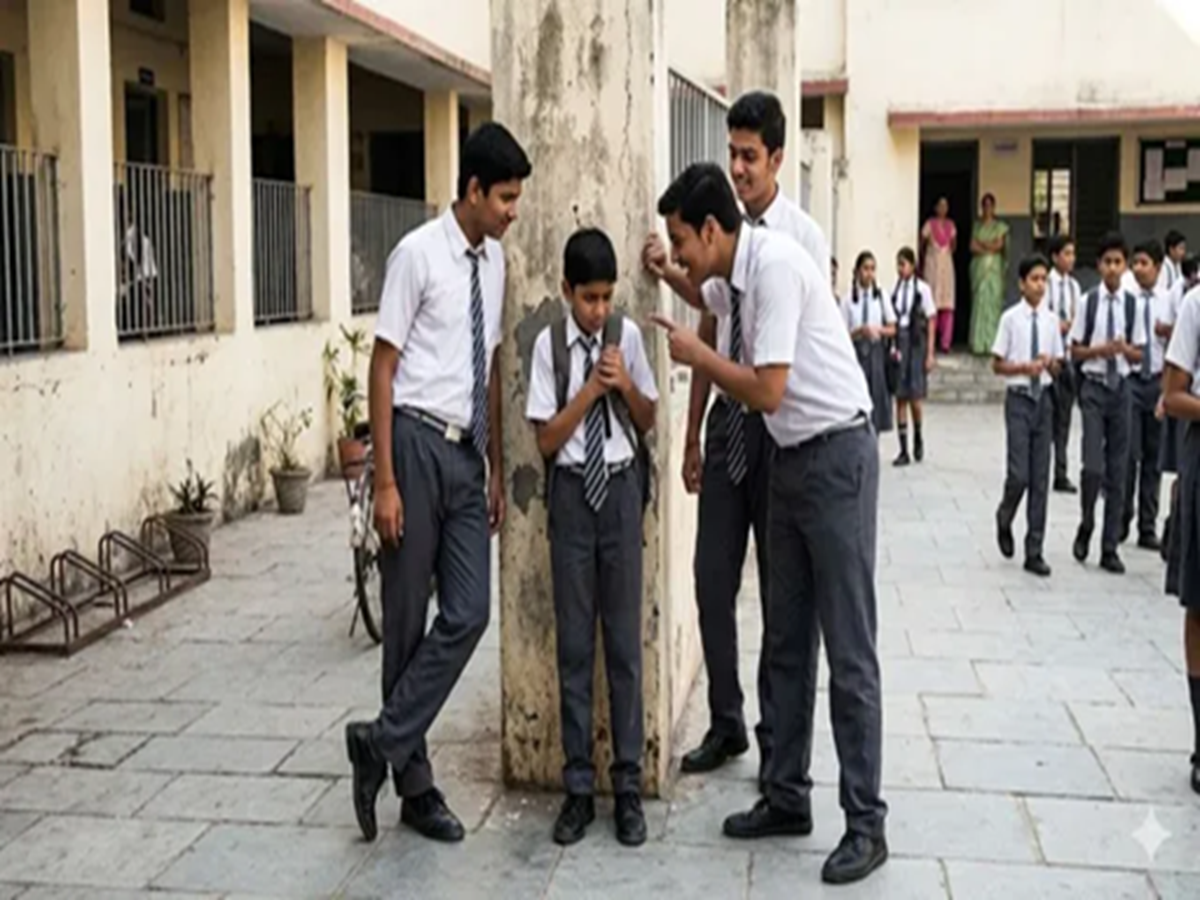
School is not merely a place for academics; it is also where a child's personality and confidence develop. Therefore, it is crucial to pay attention to the school environment and how the child is being treated. Children can sometimes fall victim to bullying at school.
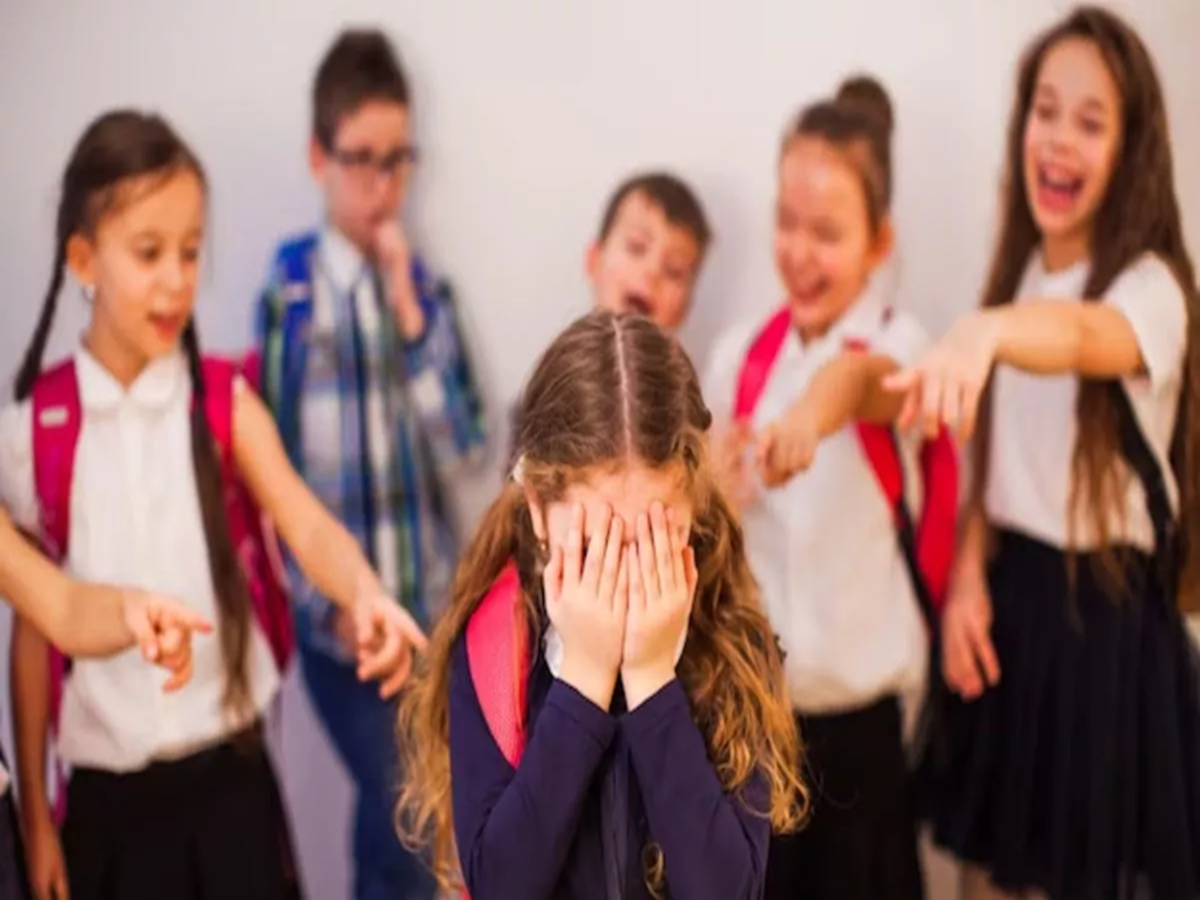
Bullying causes not only physical harm but also mental and emotional distress. It can make a child feel weak and erode their self-esteem. In severe cases, the situation can escalate to the point where a child might even consider extreme steps like suicide. Both parents and teachers need to recognize the signs of bullying so they can provide timely help. Let us look at what these signs might be.
What is bullying?
Bullying involves intentionally and repeatedly harming a child physically, mentally, or emotionally. It can include teasing, shoving, verbal abuse, intimidation, public humiliation, or online mockery (cyberbullying).
How can you tell if a child is being bullied?
First, you need to observe certain changes in your child.
Changes in behavior – If a child suddenly becomes withdrawn or irritable, starts distancing themselves from friends, or loses their usual cheerful demeanor, it could be a sign of bullying.
Avoiding school – If the child frequently makes excuses to avoid going to school, it is a cause for concern. Victims of bullying often avoid school out of fear.
Physical signs – Frequent injuries, torn clothes, or lost belongings can indicate that the child is facing bullying.
Impact on academics – A sudden drop in grades, an inability to focus on studies, or reduced participation in class activities are significant indicators.
Impact on sleep and appetite – Such children may struggle to sleep properly or experience nightmares. Often, their appetite also decreases. Lack of self-confidence—if a child begins to view themselves as inferior to others or repeatedly blames themselves, it could be a sign of bullying.
What can parents and teachers do in such situations?
Talk to children daily and listen carefully to even the smallest details they share.
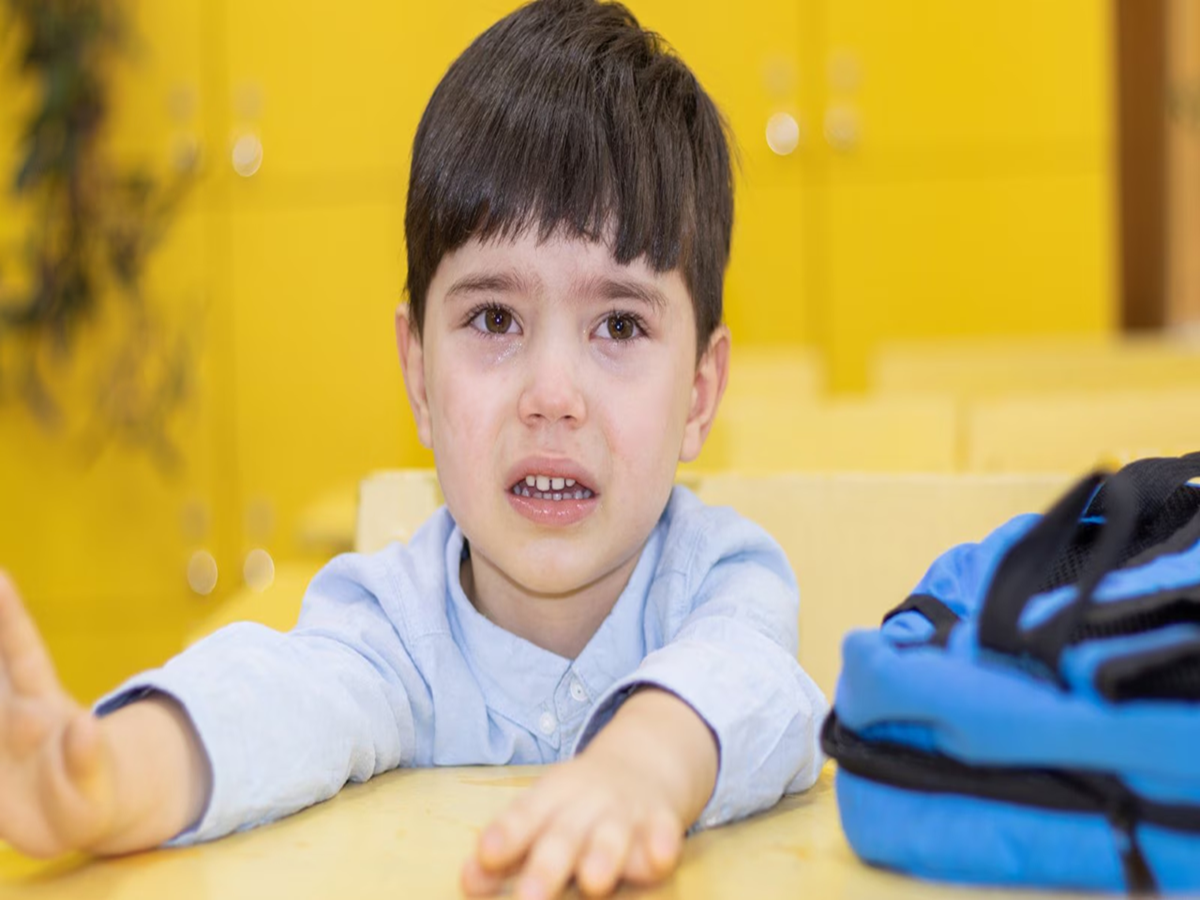
Assure children that they can openly share their problems.
Familiarize yourself with the school's anti-bullying policy and explain it to the child as well.
Provide self-defense training to children.
Discuss the matter with the child's teachers at school.
You can also seek help from a counselor or therapist in such cases.
PC Social Media