Food & recipe
Cooking Trick: These 7 vegetable cooking mistakes strip away nutrients! Learn the right cooking trick..

Experts advise consuming grains, fruits, and vegetables in their whole form as much as possible. The method used to cook these foods also matters significantly. To maximize benefits, one does not necessarily need to eat vegetables raw; rather, adopting the right cooking method is key. In this article, we will explore the benefits of these various cooking techniques.
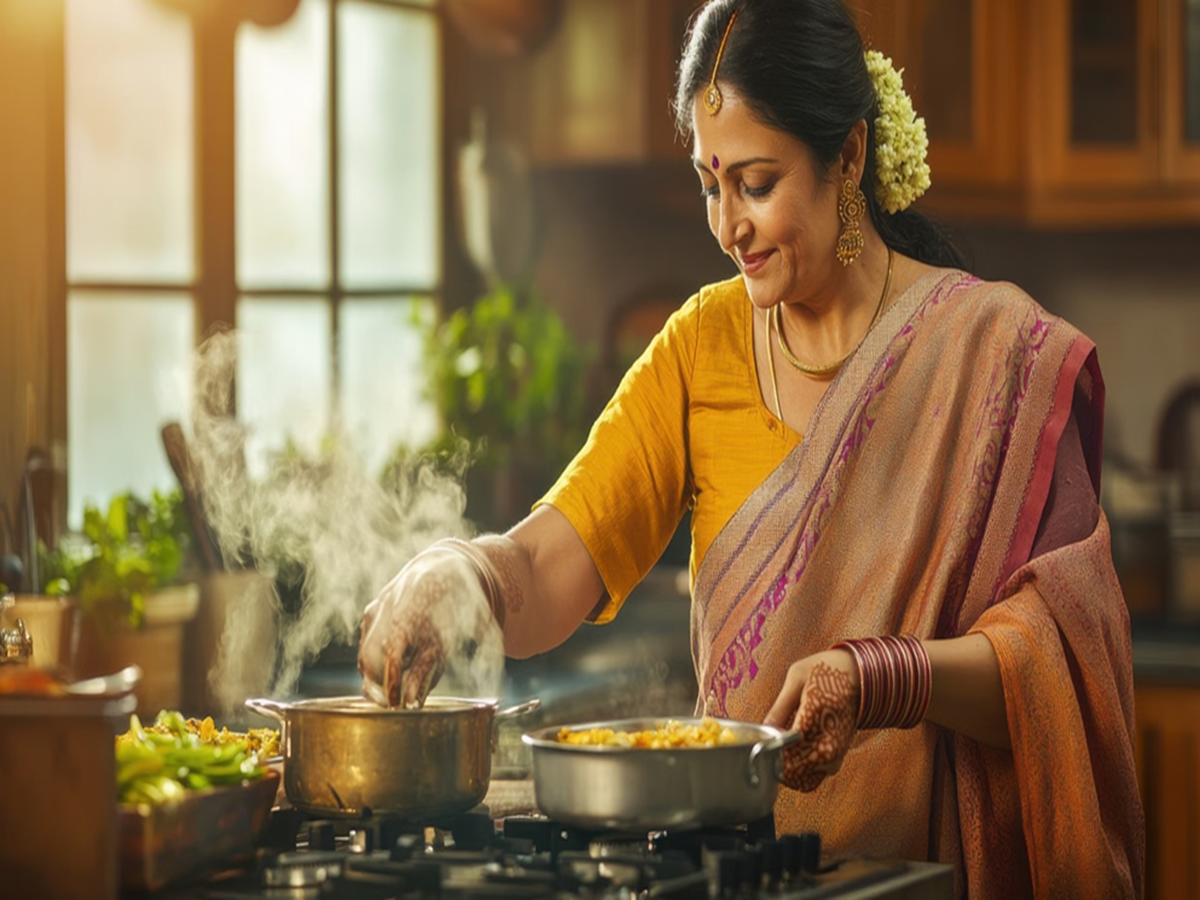
How these cooking methods alter the properties of vegetables:
Boiling: Excessive boiling causes the vegetables' nutrients to leach into the water. Boiling reduces the antioxidant capacity of vegetables and leads to a loss of minerals such as potassium, magnesium, zinc, copper, and manganese.
Steaming: Vegetables are cooked in steam, which softens them. This method is effective and preserves the vegetables' nutritional value. Since very little water is used, nutrient loss is minimal.
Sautéing and Stir-frying: Sautéing is done over low heat, whereas stir-frying requires high heat. Both are good cooking methods, though it is important to be mindful of the amount of oil used.
Grilling: This method also involves high heat but causes less damage to the vegetables' nutritional properties compared to other options.
Baking and Roasting: Both these methods are considered excellent because they utilize dry heat and require little to no water. Cooking this way brings out the natural sweetness of the vegetables, thereby enhancing their flavor.
Pressure Cooking and Slow Cooking: Both methods utilize enclosed vessels, yet they have different effects. Pressure cooking involves a shorter cooking time, which helps retain nutrients like Vitamin C and polyphenols. In contrast, slow cooking involves keeping vegetables over heat for an extended period, leading to a reduction in water-soluble vitamins. However, minerals and fiber remain intact.
Cooking this way yields greater benefits:
Use minimal water when cooking vegetables.
Fiber, vitamins A and K, potassium, and other nutrients are mostly found in the vegetable skins; cook them without peeling.
Try to cook vegetables quickly whenever possible.
Cut vegetables into larger pieces to minimize nutrient loss.
Use healthy oils, such as olive oil, when cooking vegetables.
Instead of discarding the water used to boil the vegetables, use it in the dish itself.
PC Social Media