
Parenting
Constantly keeping an eye on your child could come at a heavy price! Helicopter parenting can strip them of their self-confidence..
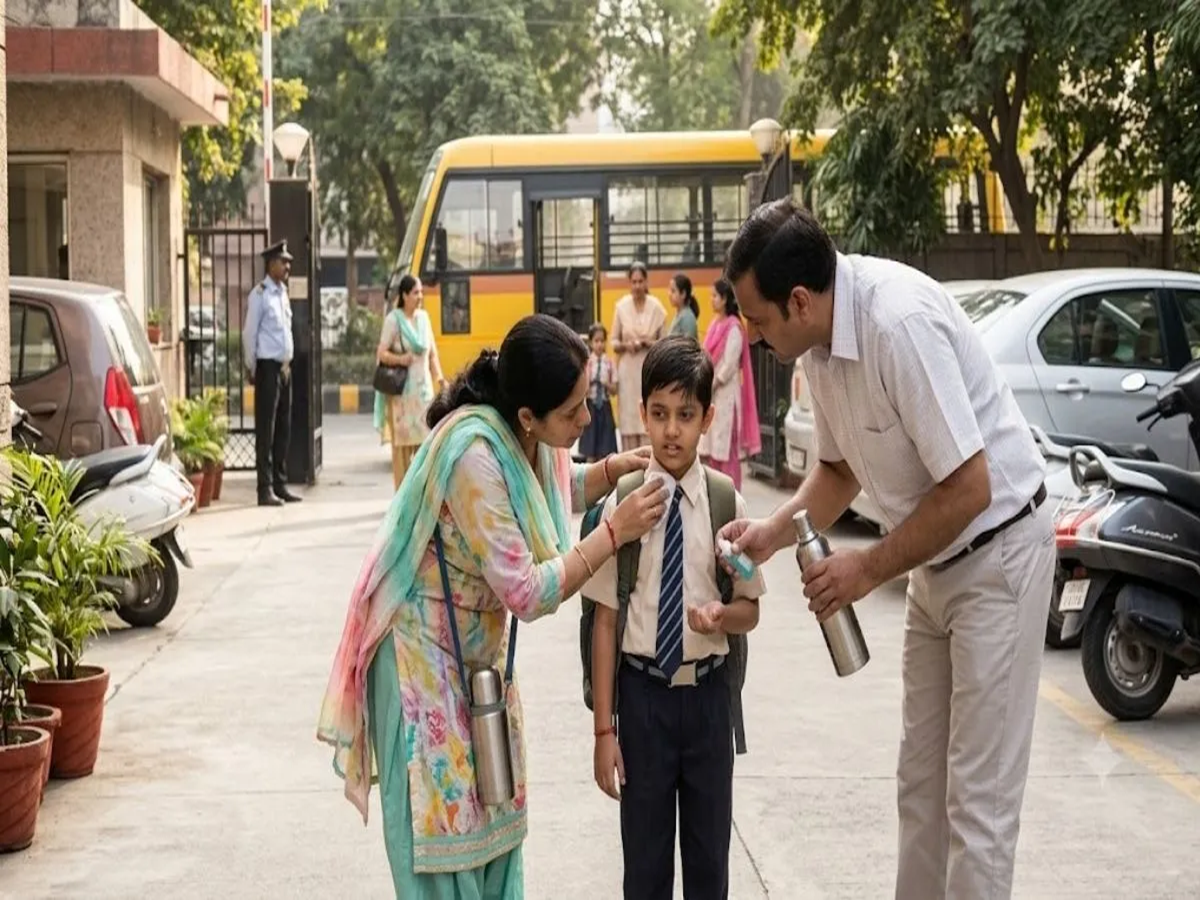
Parenting styles have evolved significantly over time. New terms frequently emerge to describe these approaches—such as "plastic wrap parenting" or "lawnmower parenting." One such term is "helicopter parenting."

As the name suggests, this style involves parents being deeply involved in their child's life. Let’s explore what helicopter parenting is and how it impacts the child.
What is helicopter parenting?
In this parenting style, parents hover over their child much like a helicopter. They involve themselves in every decision—big or small—regarding their child and keep a close watch on every activity. They are quick to step in to shield the child from any form of trouble or failure.
While this behavior is rooted in parental love, such over-protection can have negative consequences for the child.
The impact of helicopter parenting on children
Lack of self-confidence: When children are not given the opportunity to make their own decisions, they fail to become self-reliant. They begin to depend on their parents for everything. Consequently, when they do have to decide on their own, they become anxious and lack confidence in their choices.
Mental stress: Knowing that their parents are constantly watching them puts children under pressure to be perfect. Parental expectations and constant monitoring increase their stress levels; they live in constant fear of displeasing their parents.
Inability to cope: With helicopter parenting, parents resolve every problem for the child themselves. As a result, children never learn how to tackle challenges, which diminishes their ability to deal with difficulties.
How to strike a balance? While it is important to supervise children or help them when they are in trouble, it is equally important to let them make their own decisions and grant them some freedom. Therefore, parents need to strike a balance. Allow children to make small decisions on their own and give them the opportunity to learn from their mistakes. This will foster greater self-reliance and boost their confidence.
PC Social Media