

How to Help a Lonely Child at School: Have you ever noticed that your child has suddenly become a bit quiet after returning from school? They might toss their bag aside and head straight to their room, or their gaze might seem fixed on nothing in particular at the dinner table. When you ask, "How was school today?", the reply is often just a brief "It was fine." But parents, behind that simple "It was fine" often lies a significant, unspoken story—a sense of loneliness that the child cannot put into words.
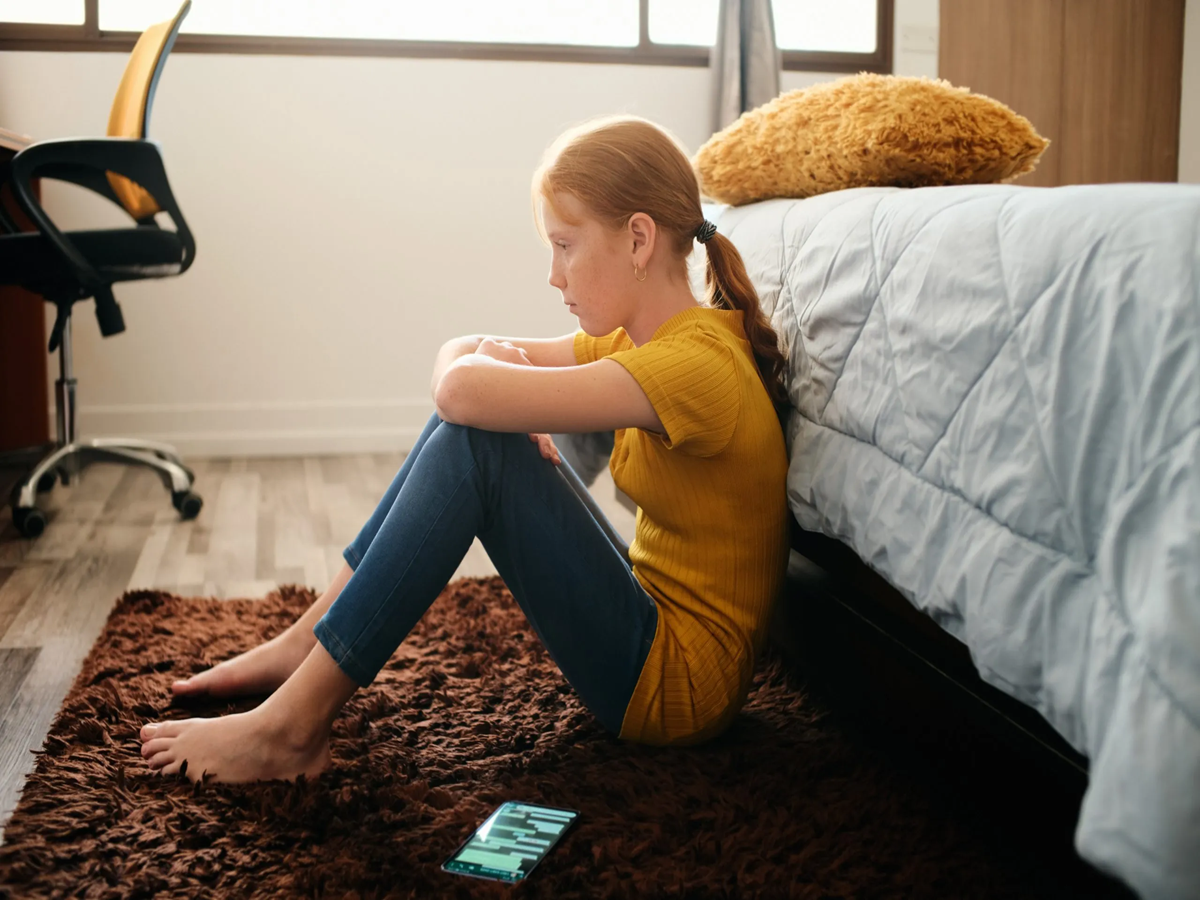
In reality, the school playground—while appearing lively and cheerful from the outside—can often feel incredibly lonely for a sensitive child. Children rarely recount their experiences in a linear, step-by-step manner. They will never simply come out and say they are hurting inside or that they cannot find any friends.
Instead, they start with small details: perhaps no one laughed at their joke, a group of kids ran off without them, or the lunch break suddenly felt interminably long and silent.
Once your child truly grasps this, they will step onto the school playground not with fear, but with pride and self-confidence.
In such moments, our first instinct as parents is often to rush in with solutions or advice: "Why don't you just go and talk to them?" or "Sit with other kids tomorrow." But wait. At that moment, your child isn't looking for you to fix their world. They simply want someone to sense their silence—someone to come and sit quietly beside them in that moment.
Listen first, without interrupting.
A child's world is very delicate. When they share the little details of their day, avoid interrupting, lecturing, or immediately imposing a solution. Simply listen. When you listen without judgment, they feel that their feelings are safe. They realize there is someone who understands their small world.
**Meet the teacher—not as a detective, but as a ‘friend’**
Sometimes, children cannot articulate things that a teacher can clearly observe from the classroom. So, have a friendly conversation with the teacher. Ask how your child behaves in class. Do they approach a group but then back away? Do they prefer sitting in a corner? This conversation will provide clues that your child might be unable to share with you, even if they wanted to.
**Build a relationship based on comfort, not pressure**
Friendships don't necessarily have to begin amidst the noisy chaos of school. Some children feel more at ease in smaller, quieter settings. Plan a park meetup with just one other child they are somewhat familiar with.
Consider a hobby class that interests them—a place where shared interests can naturally break the ice. Or perhaps a cousin who can make them laugh freely. Remember, friendship doesn't always have to start at the school gate; it can begin in the neighborhood or a quiet corner at home and eventually become a ‘shield’ for the child at school.
**Rehearse for difficult moments**
There are moments at school that scare children the most—such as approaching a group to ask, "Can I play?" or taking it to heart when someone says, "Not right now."
Prepare your child for these situations in a lighthearted, casual way. Teach them that if someone says ‘no,’ it doesn’t mean they are bad people. Help them understand that they can start fresh the next day, without carrying the burden of the past on their shoulders.

Remind them that their worth extends far beyond the playground—
Most importantly, every child needs to realize that their value isn't defined by how many kids say ‘hi’ or ‘hello’ to them. Nurture the qualities that bring your child joy—whether it’s sketching, playing football, baking, reading stories, or creating something new. Confidence doesn't come from being accepted by everyone; it stems from the inner truth that “I am whole, even when I am alone.”
Once your child grasps this, they step onto the school grounds not with fear, but with pride and confidence.
PC Social Media