LIFESTYLE
Mental Health Day 2026: What is the difference between stress, anxiety, and depression? How to identify them?
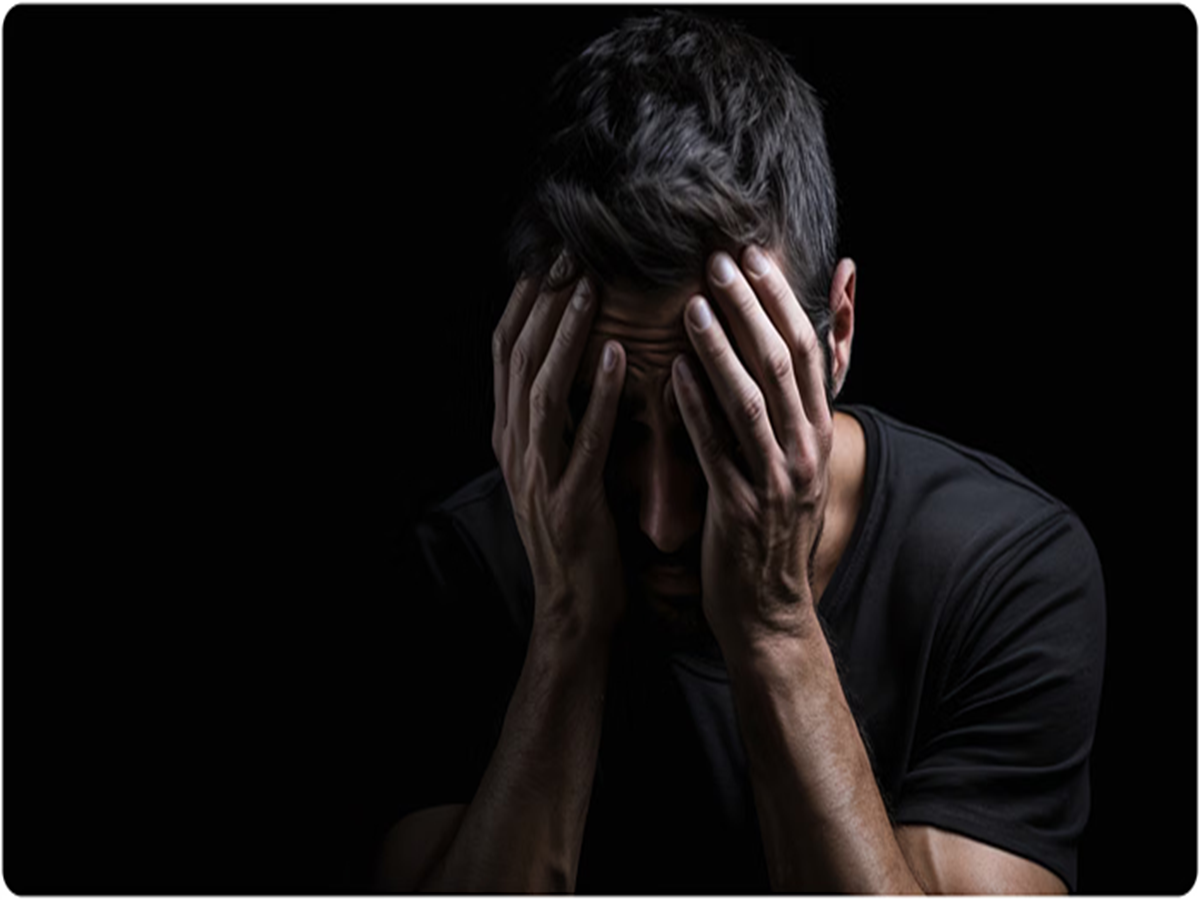
Mental health issues remain a serious global health risk. Health experts note that while we often strive to maintain the health of our heart and brain, mental health frequently goes overlooked. Yet, mental and physical health are directly interconnected; an issue with one can impact the other.

In today’s fast-paced world, work pressure, family responsibilities, and anxiety about the future are taking a mental toll on many people. Sometimes there is stress over a specific problem, other times a persistent sense of unease without a clear cause, or a lack of focus on tasks. People often lump these states together, but stress, anxiety, and depression are not the same thing. While their symptoms may overlap, they are distinct conditions.
Let us understand the differences between stress, anxiety, and depression.
Today is World Mental Health Day. Observed annually on October 10th, this day aims to raise awareness about mental health, eliminate the stigma associated with mental health issues, and encourage people to seek professional help when needed.
Understanding Stress
You may experience stress when faced with pressure, challenges, or difficult situations. Common triggers include exams, work pressure, financial difficulties, family conflicts, or the anxiety of meeting deadlines.
Symptoms of stress can include headaches, muscle tension, irritability, sleep disturbances, and difficulty concentrating.
Some people may experience a rapid heartbeat or gastrointestinal issues.
If stress persists, it can disrupt daily life; therefore, it should not be ignored. Stress is not always a mental illness in itself, but a persistent problem can lead to mental health disorders.
What happens in anxiety?
Anxiety involves a lingering apprehension about a potential danger, problem, or untoward event. Often, the cause of the anxiety is clear, though some people may feel uneasy without any apparent major reason. Individuals may feel that something bad is about to happen, ruminate on the same thoughts, or worry constantly about the future.
It can also be accompanied by symptoms such as a rapid heartbeat, sweating, restlessness, muscle tension, and difficulty sleeping. When anxiety becomes excessive, difficult to control, and begins to impact work or relationships, it may be a sign of an anxiety disorder.
How is depression different?
Depression involves a prolonged sense of sadness, emptiness, or hopelessness. You may lose interest in activities that previously brought you joy. You might also experience fatigue, changes in sleep patterns and appetite, difficulty concentrating, or feelings of worthlessness.
Depression can affect daily life. Symptoms vary from person to person, and some individuals may struggle with it while appearing normal on the outside. A report published in *Amar Ujala* highlighted how even a cheerful, outgoing person can fall victim to depression.
How can you distinguish between the three?
Stress: Tension linked to pressure or a difficult situation.
Anxiety: Persistent apprehension and unease regarding potential danger or untoward events.
Depression: Prolonged sadness, hopelessness, or a loss of interest.
PC Social Media