LIFESTYLE
Chhath Fast: Prepare your body this way before the rituals to avoid weakness and fatigue during the fast..
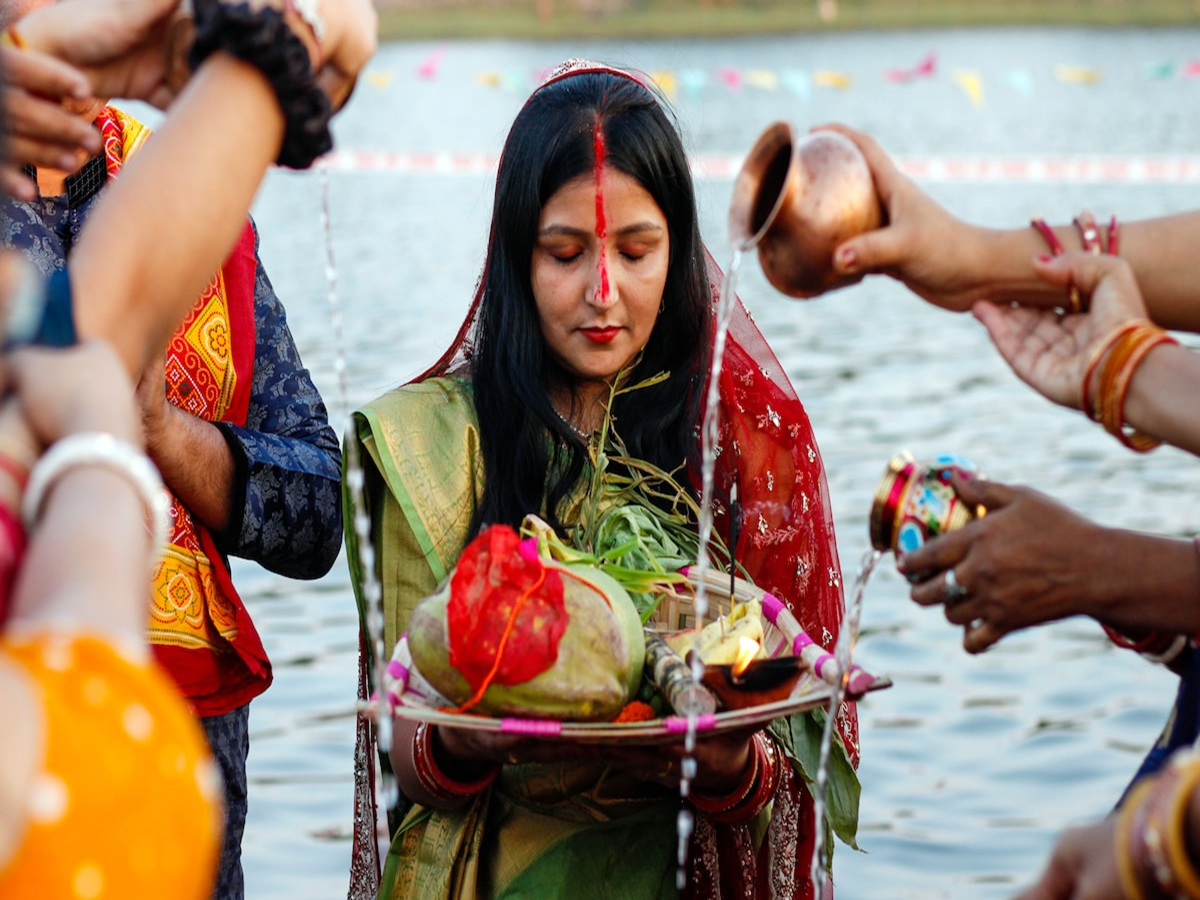
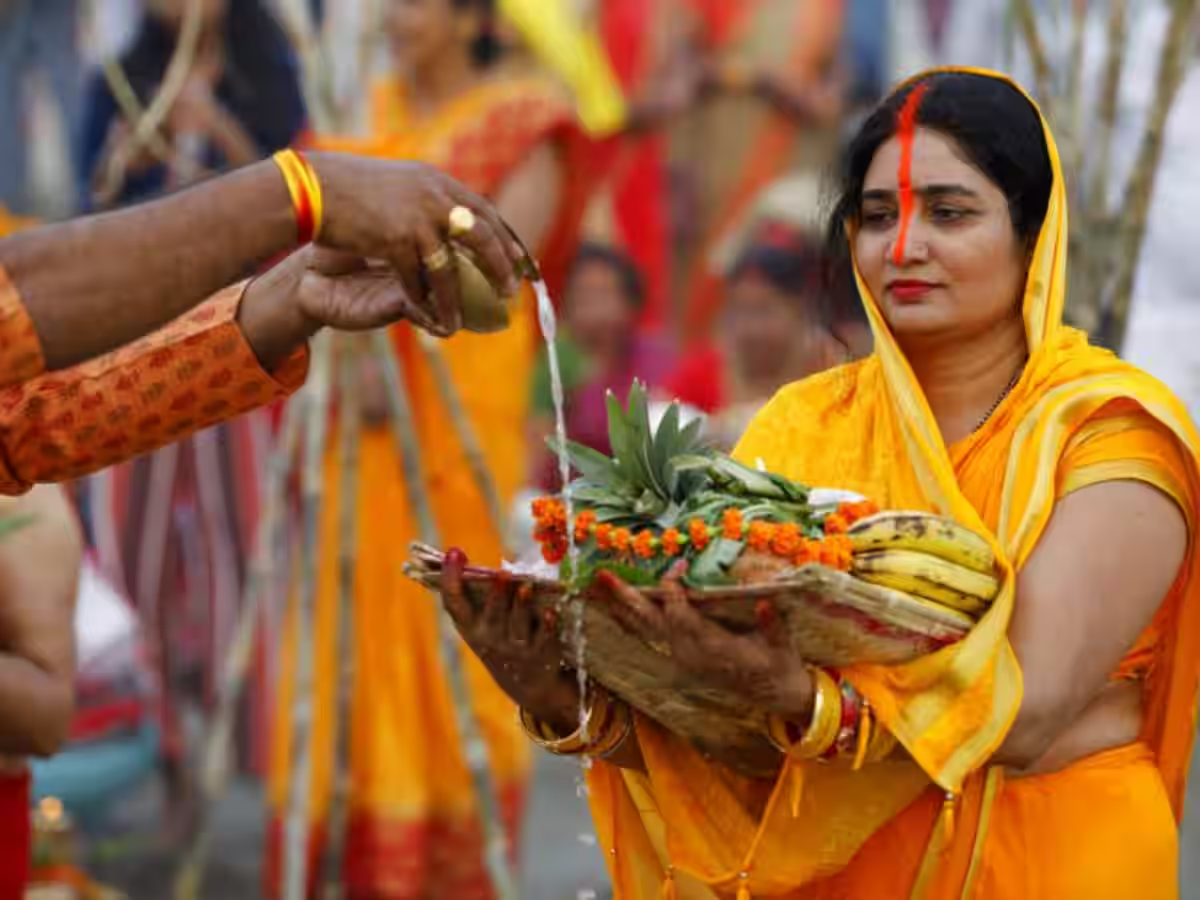
Chhath Puja 2026: The grand festival of Chhath is approaching, and preparations have already begun in households. Chhath Puja holds special significance in many parts of the country, including Bihar, Jharkhand, Uttar Pradesh, and the Delhi-NCR region. This rigorous four-day festival requires observers to follow several strict rules. In particular, there is a tradition of observing a *nirjala* (waterless) fast for approximately 36 hours, starting after the *Kharna* ritual. Given this, it is essential to prepare your body before the fast begins.
Sudden changes in dietary habits or a reduction in water intake can lead to issues such as weakness, headaches, fatigue, and dehydration. Therefore, it is advisable to pay attention to your diet and daily routine a few days before the Chhath fast. Let us look at the important factors to consider to keep your body healthy and strong before observing the Chhath fast.
8 Essential Ways to Prepare Your Body Before the Chhath Fast
1. Consume Nutritious Food Before the Fast
Before the Chhath fast begins, incorporate lentils, green vegetables, seasonal fruits, milk, yogurt, and whole grains into your diet. These provide the body with essential nutrients and help maintain energy levels during the long period of fasting.
2. Keep Your Body Hydrated
The tradition involves abstaining from water during the *nirjala* fast. Consequently, it is crucial to consume an adequate amount of water before the fast commences. You may also include coconut water, buttermilk, and lemon water in your diet. However, avoid consuming an excessive amount of water all at once.
3. Do Not Suddenly Reduce Food Intake
Some people reduce their food intake just a day before the fast. Doing so can lead to weakness and fatigue. It is better to consume a balanced diet leading up to the fast, allowing your body to gradually adapt to the changes in your routine.
4. Include Fruits and Dry Fruits in Your Diet
Fruits such as bananas, apples, pomegranates, papayas, and other seasonal varieties provide the body with necessary vitamins and minerals. You may also consume dry fruits—such as almonds, walnuts, and raisins—in limited quantities. These help provide nourishment to the body.
5. Avoid excessive salt and fried foods
Consuming large amounts of fried, spicy, or salty food before the fast can lead to increased thirst and digestive issues. Therefore, opt for light, easily digestible, and balanced meals.
6. Do not forget to get adequate sleep
During Chhath Puja, tasks such as cleaning, preparing for the rituals, and other responsibilities can lead to fatigue. Ensure you get enough sleep daily leading up to the fast; this will allow your body to rest and help maintain your energy levels.
7. Avoid overexerting your body
Refrain from intense exercise or strenuous physical labor before the fast. You may continue with light activities, such as a gentle walk, but be sure to rest if you feel weak.
8. Consult a doctor if you have any health concerns
Individuals suffering from conditions such as diabetes, high blood pressure, or kidney or heart-related ailments must consult a doctor before observing a *nirjala* (waterless) fast. A *nirjala* fast can also pose risks for pregnant or breastfeeding women.
PC Social Media