
LIFESTYLE
Change this habit today: How dangerous is holding in urine for hours? Learn about the risks of holding back urine..

Side Effects of Holding Urine: Many people frequently delay the urge to urinate for extended periods due to work commitments, travel, or the unavailability of clean restrooms nearby. While this may happen occasionally without issue, making a habit of holding in urine should not be ignored.
Individuals with pre-existing urinary issues, bladder problems, or a history of urinary tract infections (UTIs) need to be particularly cautious. But can holding urine for long periods truly be harmful, and what risks does it pose? Let’s find out.
What are the potential harms of holding urine for hours?
The habit of repeatedly holding urine for long periods can affect the normal functioning of the bladder and urinary system. However, for a healthy person, holding urine for a short while on occasion is generally not considered a serious problem.
1. Risk of Urinary Tract Infection (UTI)
The habit of holding urine for extended periods and failing to empty the bladder regularly can increase the risk of urinary tract infections (UTIs) in some people. Consult a doctor if you experience symptoms such as a burning sensation, pain, a strong odor, or an abnormally frequent urge to urinate.
2. Impact on the Bladder
Consistently holding urine for long periods can place pressure on the bladder muscles. Doing this over the long term may interfere with the bladder's normal emptying process.
3. Difficulty Urinating
The habit of frequently holding urine can lead to difficulty in completely emptying the bladder. Do not ignore issues such as trouble urinating or the persistent feeling that the bladder has not emptied fully.
4. Pain and Discomfort
As the bladder fills, you may experience heaviness, pressure, or discomfort in the lower abdomen. Holding back urine for an extended period can suddenly trigger an intense urge to urinate.
When should you consult a doctor?
If you notice blood in your urine, experience severe pain or a burning sensation while urinating, feel a frequent urge to urinate, or have urinary issues accompanied by a fever, you should not dismiss these as minor problems. Similarly, a complete inability to urinate, difficulty starting the flow, a sensation that the bladder has not emptied fully, or severe pain in the lower back or waist are reasons to seek medical advice. It is best to undergo a medical check-up promptly, especially if these symptoms persist or worsen over time.
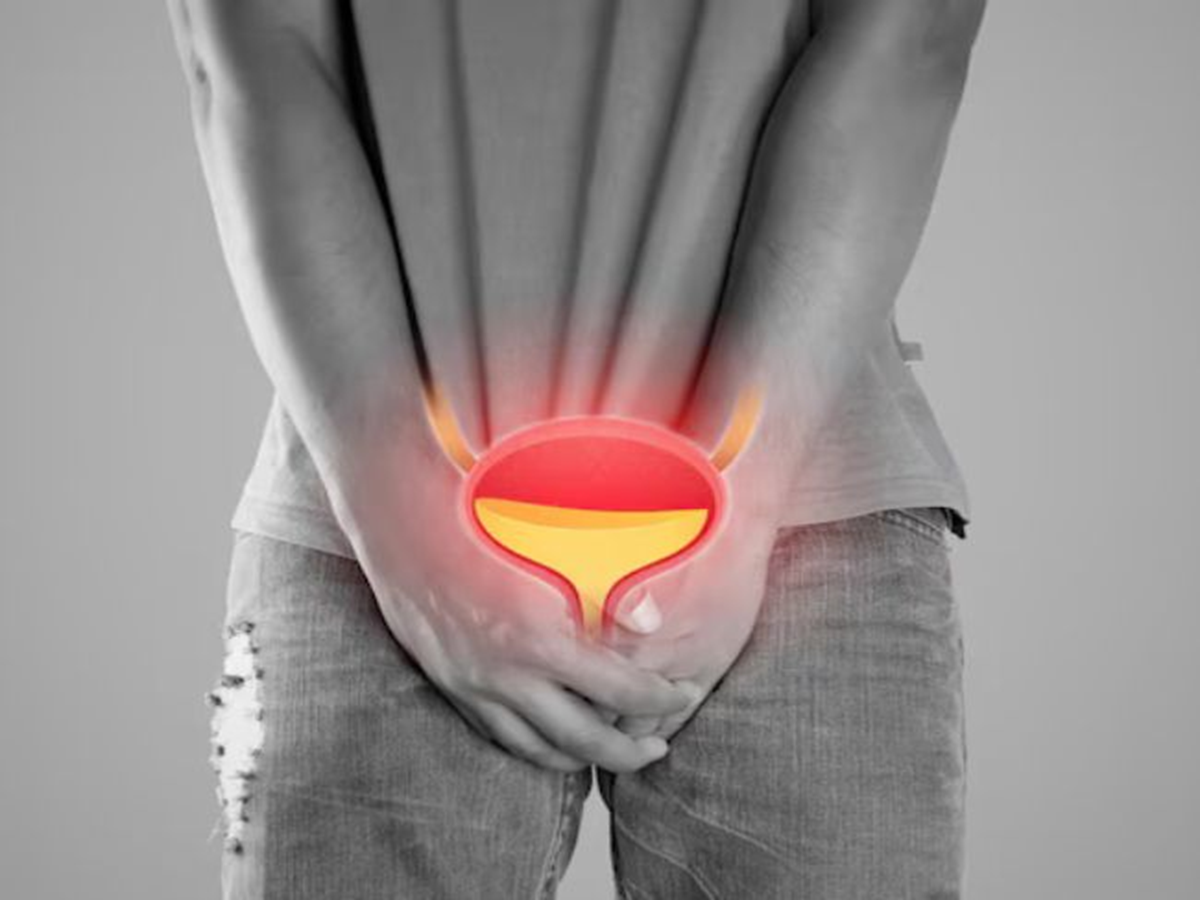
Keep these points in mind.
It is better to cultivate the habit of urinating at appropriate times rather than repeatedly holding back the urge. Additionally, ensure your body stays hydrated by consuming adequate fluids based on your thirst. However, the amount of water one should drink varies from person to person; water requirements depend on factors such as age, weather, physical activity, diet, and any existing health conditions. Individuals with kidney or heart-related ailments should consume fluids only according to their doctor's advice.
PC Social Media