LIFESTYLE
Badrinath Dham: Badrinath Dham is linked to Lord Vishnu’s penance; discover the story behind Narad Kund and Panchshila..
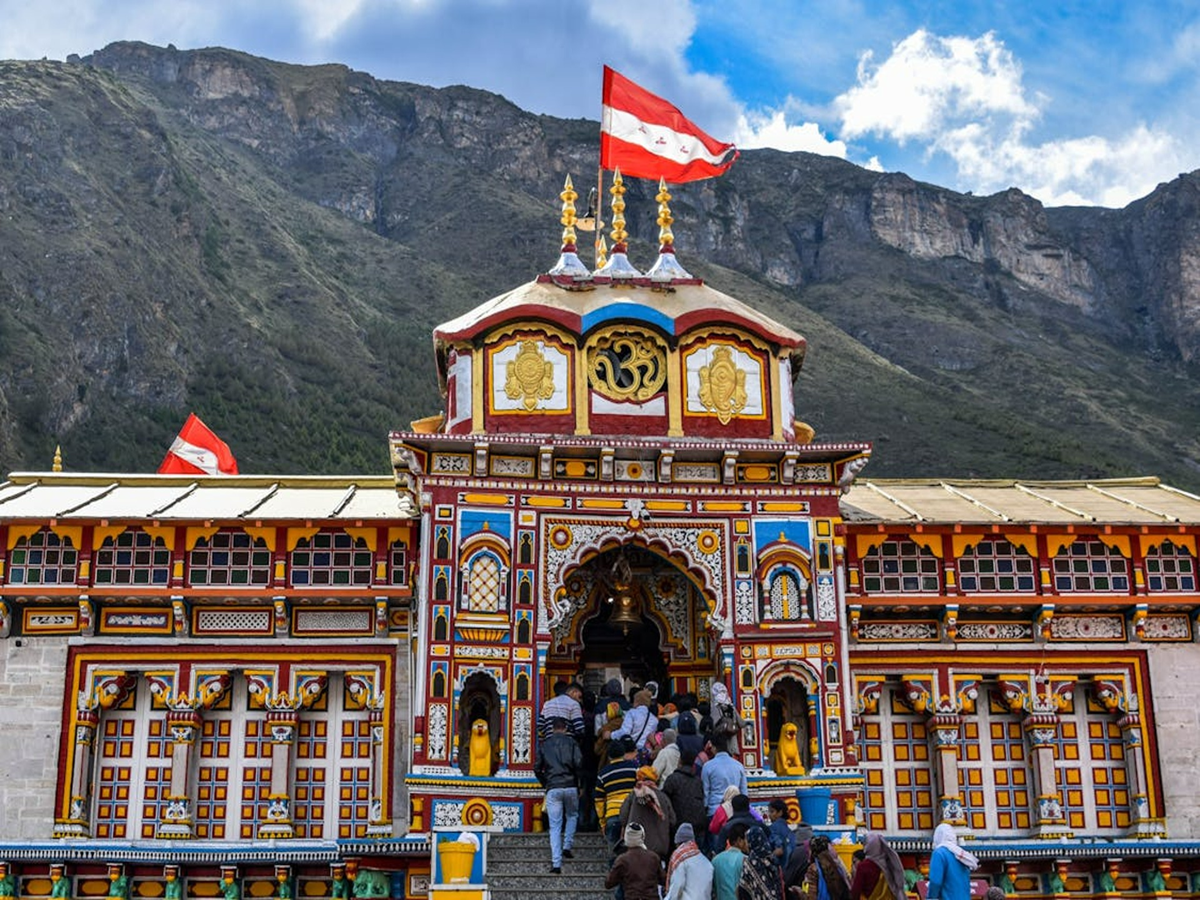
Badrinath Dham Darshan: Every year, hundreds of thousands of pilgrims visit Badrinath Dham, located in the Himalayas of Uttarakhand. Surrounded by towering snow-capped mountains, the Alaknanda River, and natural beauty, this sacred site is dedicated to Lord Vishnu. It is believed that Lord Vishnu performed penance here in the form of 'Badri Narayan'. This is why Badrinath is considered one of the primary pilgrimage sites in Hinduism.
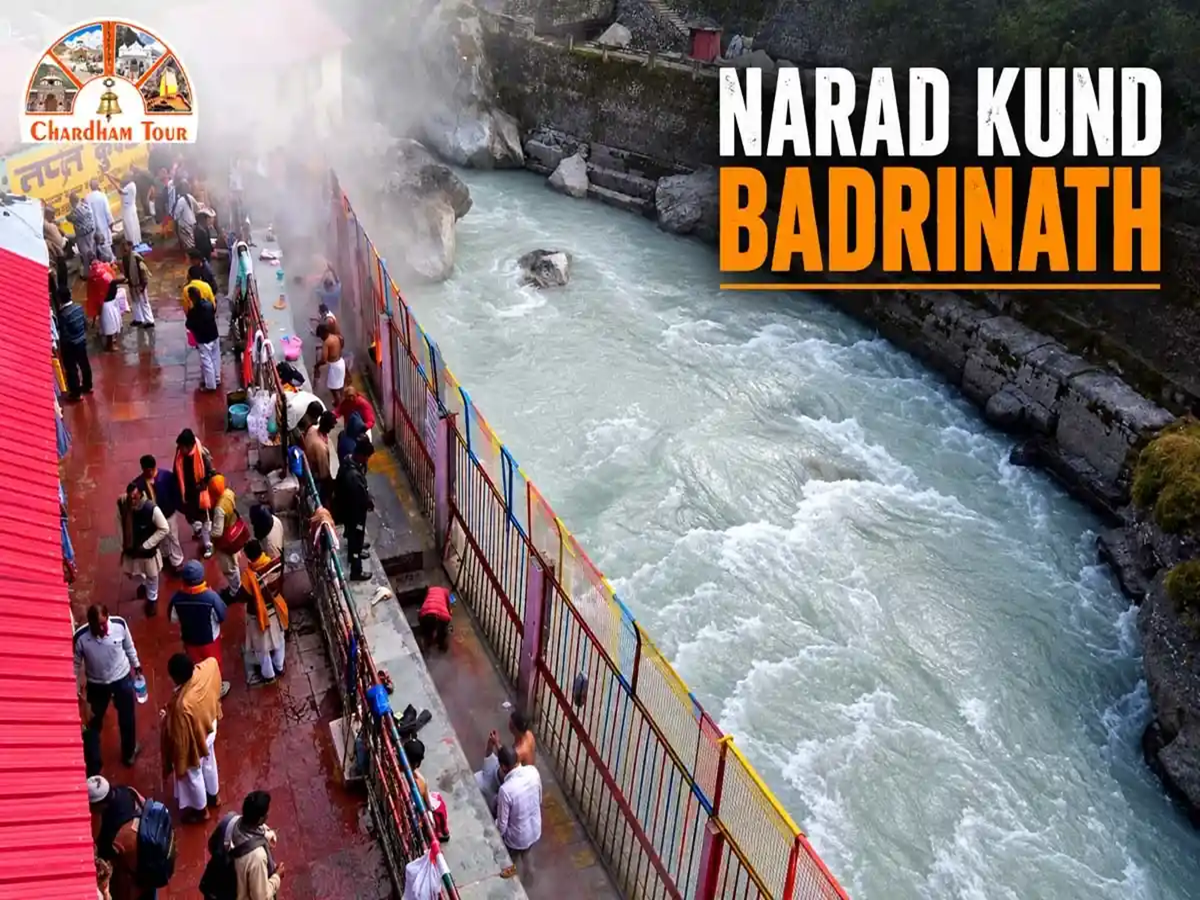
In addition to the main temple, several other religious sites—such as Tapt Kund, Narad Kund, Panchshila, and Brahma Kapal—are also focal points of devotion for pilgrims. The mythological tales and religious beliefs associated with these places make the pilgrimage truly special. If you are planning a visit to Badrinath Dham, learn about its key pilgrimage sites and their significance in this video.
Key Pilgrimage Sites in Badrinath
Tapt Kund: Before visiting the Badrinath Temple, pilgrims take a holy dip in Tapt Kund, also known as 'Agni Tirtha'. It is believed that bathing in this pool, followed by acts of charity, brings spiritual merit (punya) to the devotees. Located near the Alaknanda River, this pool is one of the essential stops on the Badrinath pilgrimage.
Narad Kund and Panchshila: Situated a short distance from Tapt Kund, on the opposite bank of the Alaknanda River, lies Narad Kund. Nearby, there are five sacred stones (shilas) known as Narad Shila, Garuda Shila, Markandeya Shila, Narasimha Shila, and Varaha Shila. According to religious tradition, the sage Narada performed penance for Lord Vishnu while seated on Narad Shila. Meanwhile, the Narasimha and Varaha Shilas are associated with specific incarnations (avatars) of Lord Vishnu. Pilgrims visit these sites to offer prayers and seek blessings.
Badrinath Temple: The Badrinath Temple is dedicated to the 'Badri Narayan' form of Lord Vishnu. It is believed that Lord Vishnu performed rigorous penance in this region. The temple was reconstructed by the ruler of Garhwal, while Maharani Ahilyabai Holkar of Indore had a golden *kalash* (urn/finial) installed at the temple. The temple generally remains open for pilgrims for only about six months of the year.
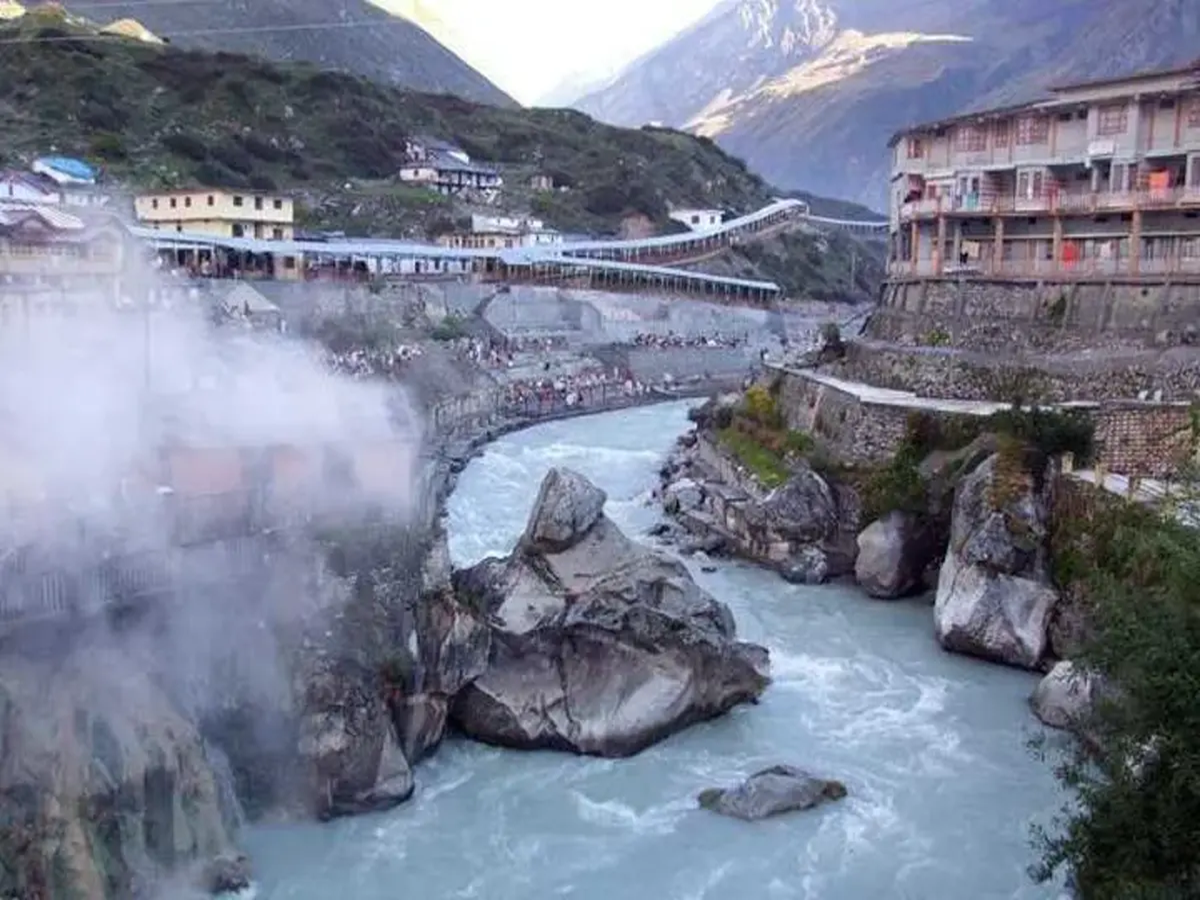
Brahma Kapal Tirtha—situated on the banks of the Alaknanda River—is renowned for *shraddha* and *tarpan* rituals performed for one's ancestors. It is believed that performing these rites here brings peace to the souls of the departed. According to mythology, it was at this very spot that Lord Shiva was liberated from the sin of *brahmahatya* (the killing of a Brahmin). This further enhances the religious significance of this sacred site.
PC Social Media