
Parenting
At what age should a child be taught to swim? Parents should not overlook these important points..
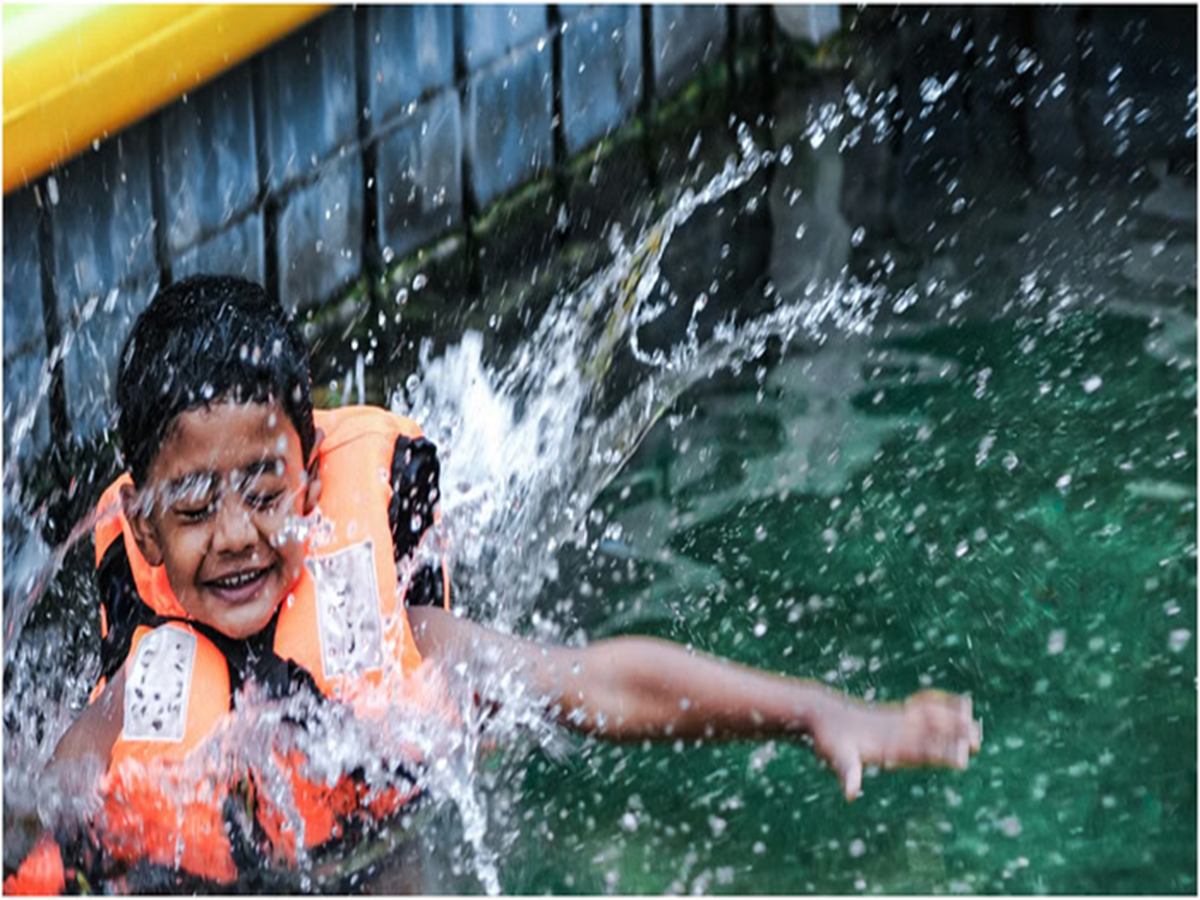
Swimming Tips for Kids: Swimming is a fun activity for children as well as a life-saving skill. Nowadays, many children are learning various skills from a young age, including swimming. According to the American Academy of Pediatrics, teaching children to swim—while keeping the right age and safety rules in mind—can be beneficial. However, it is important to first consider the child's physical and mental condition.

At what age should they start swimming?
According to experts, water play or parent-child sessions—essentially an introduction to water—are suitable for infants under one year of age. Basic swimming skills can be taught between the ages of one and four. Swimming strengthens children's muscles, increases stamina, and improves brain-body coordination. Learning to swim at a young age boosts their confidence and helps them overcome any fear of water.
Water safety is paramount
When teaching children to swim, "touch supervision" is crucial; this means the parent or trainer stays close enough to the child to provide immediate assistance if needed. Relying entirely on floaters or water wings is not safe. According to the WHO, learning to swim, float, and reach the edge of the pool at a young age can reduce the risk of drowning by up to 88 percent.
How to choose the right pool and trainer?
Safety should be a top priority when selecting a swimming pool for children. The pool water temperature should be between 30 and 32 degrees Celsius. It is also essential to check chlorine levels to prevent infections. Additionally, ensure that children are taught to swim under the supervision of a certified and experienced trainer. Initially, swimming sessions for children should not exceed 20 to 30 minutes.
Things to consider before starting swimming lessons
Do not let the child swim if they have a cold, an ear infection, or any skin-related issues. After swimming, dry the child's ears thoroughly, wash their skin with clean water, and apply moisturizer. Pay attention to the child's hygiene both before and after they enter the water. Always prioritize the child's safety and comfort.
Expert Opinion: Do Not Pressure the Child
Child development consultant Rohini Sethi advises prioritizing safety above all else when teaching young children to swim. Ensure that practice sessions always take place under the supervision of a trained instructor and never leave the child unattended near the water. Begin in shallow water by helping them get accustomed to the environment and teaching them how to hold their breath and float. Never pressure the child; if they feel scared, give them time. Choose a comfortable swimsuit for them.
PC Social Media