Parenting
Is your child losing their confidence because of a focus on looks? Here’s how to explain the true meaning of beauty to them..
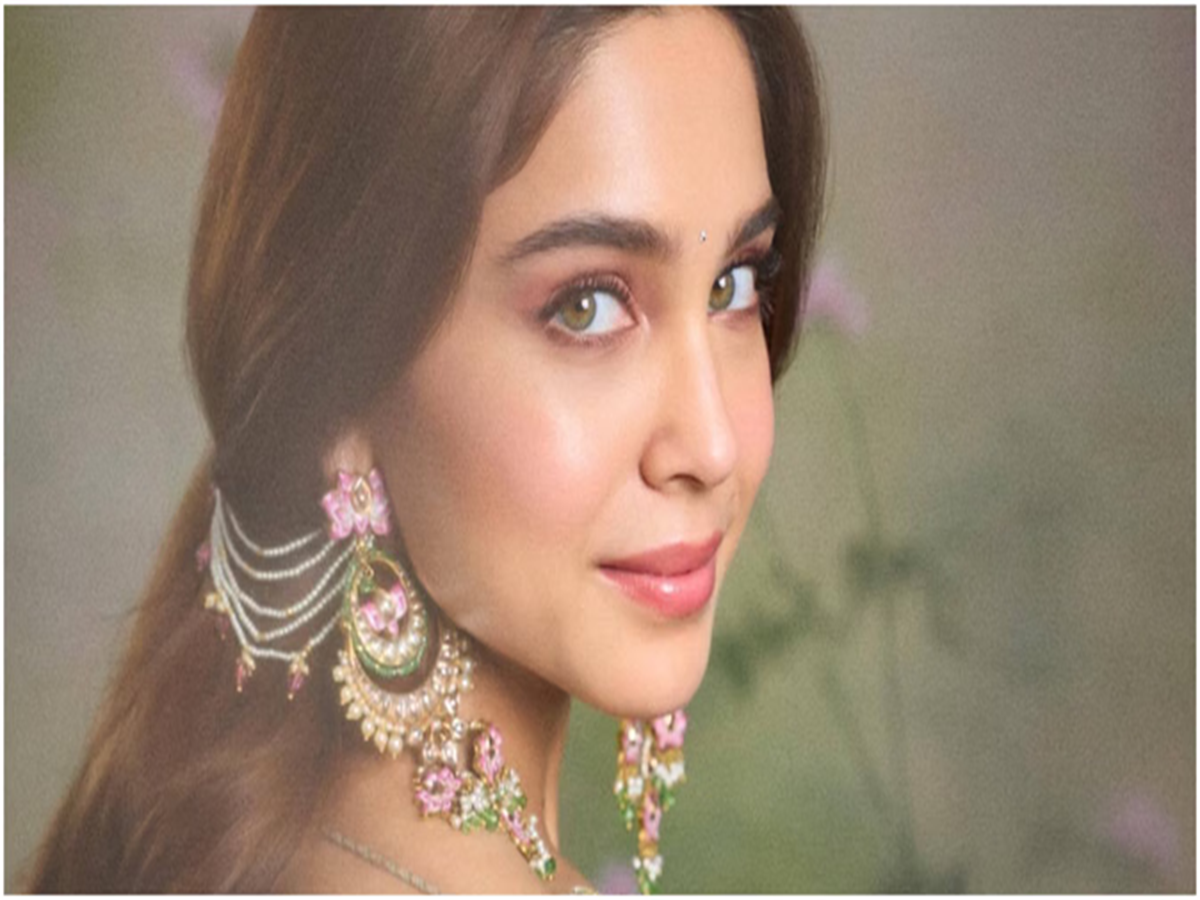
Recently, when Farah Khan visited the home of actress and beauty pageant contestant Akanksha Chaudhary to film a YouTube vlog, Akanksha revealed that she used to feel extremely unattractive during her teenage years. Farah then shared that her own daughter feels the same way.
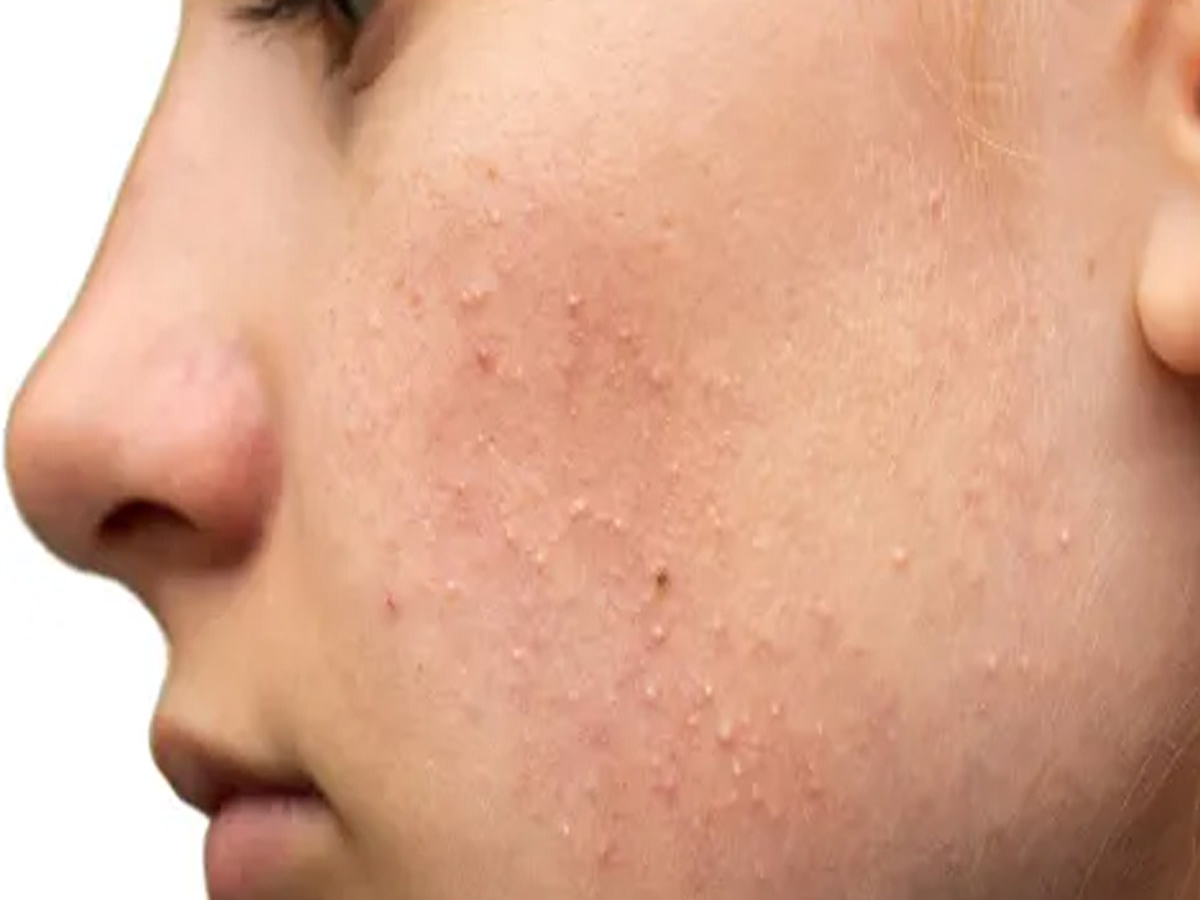
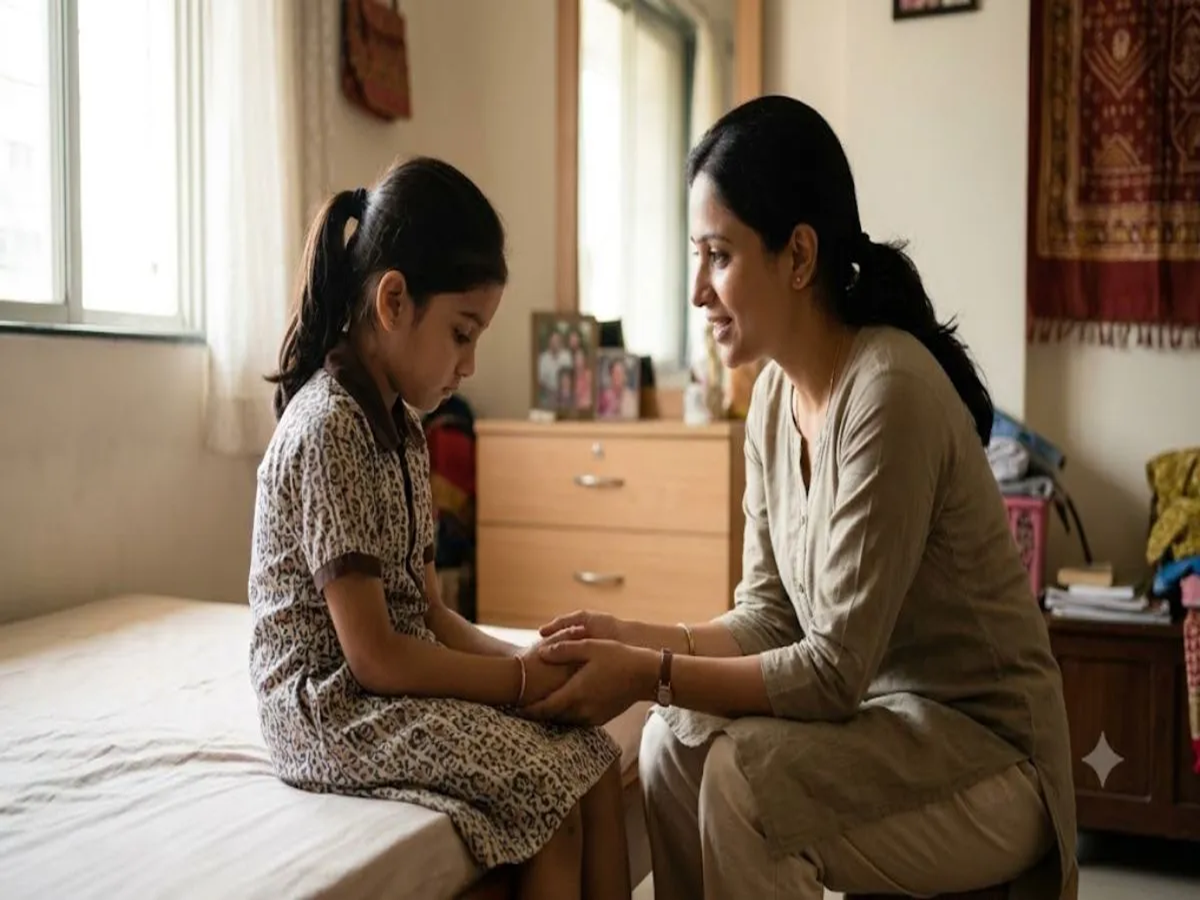
Adolescence is a pivotal stage in a child's life where both the body and mind undergo significant changes. It is a time when they often begin to view themselves as an "ugly duckling" or simply unattractive. This does not mean they lack genuine appeal; rather, it is a phase where they feel awkward, ungainly, and uncomfortable in their own skin. A child who once posed for photos without hesitation might suddenly start spending hours in front of the mirror, shy away from being photographed, or repeatedly ask, "Do I look okay?" The market, flooded with beauty products, appeals to these children—especially teenage girls—often leading them down a path where they may inadvertently harm themselves.
**The Culture of Comparison on Social Media**
In today's world, the turmoil associated with adolescence has intensified. Social media, beauty filters, and advertisements present a false standard of beauty that is far removed from reality. Teenagers often compare their everyday, unfiltered appearance with the carefully curated and edited photos of others. Peer acceptance becomes paramount at this age, causing them to view themselves through the eyes of others.
**Understanding Their Pressure**
Simply telling children "not to pay attention to what others say" rarely works. There is nothing wrong if they wish to experiment with new fashions or hairstyles. Instead, ask them one question: "Are you doing this because you like it, or because you feel your friends won't accept you otherwise?" Adolescence is a journey of moving beyond outward appearances to forge one's own inner identity. The ultimate goal is not to make children feel that they look beautiful every day, but to instill in them the belief that even on days when they do not feel beautiful, they remain just as precious, capable, and deserving of love.
**Understand the subtle difference**
Most children eventually accept their changing bodies and appearances, but if this anxiety begins to affect their daily lives, do not ignore it. If a child experiences extreme stress regarding a specific body part, constantly checks the mirror, tries to completely hide their body, or stops going out, it could be a sign of Body Dysmorphic Disorder. If a child suddenly stops eating, develops an intense fear of gaining weight, or engages in excessive exercise, it could be pushing them toward an eating disorder. If this anxiety begins to dominate your child's life, consulting a psychologist is essential.
**Essential guidance for parents**
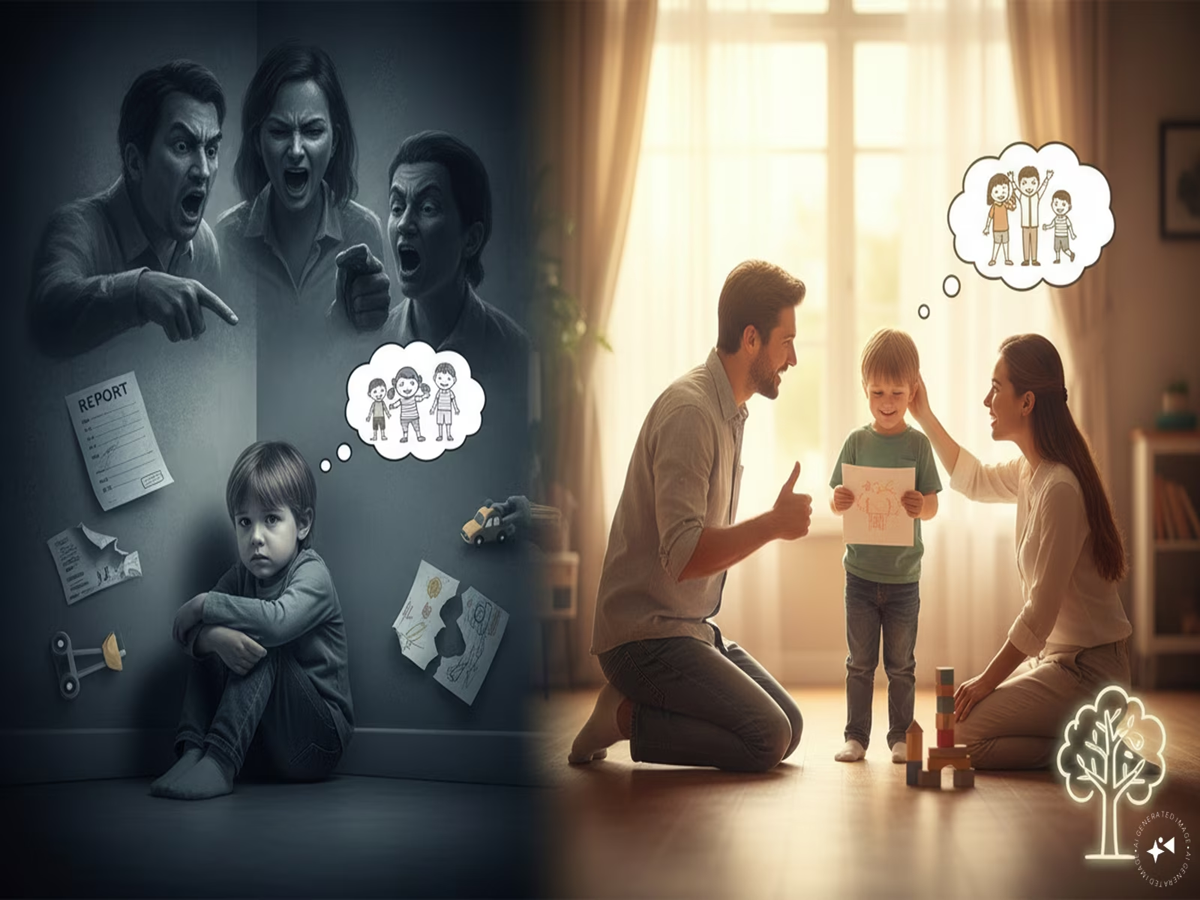
**Avoid saying this:** When a child says, "I am ugly," parents often respond affectionately with, "Oh no, you are lovely!" While this reaction is natural, it does not solve the child's problem. The child is not asking about their appearance; rather, they are feeling that they are "not enough." Instead, try saying, "I sense that you are feeling a bit uncomfortable with your appearance lately. Tell me what is troubling you."
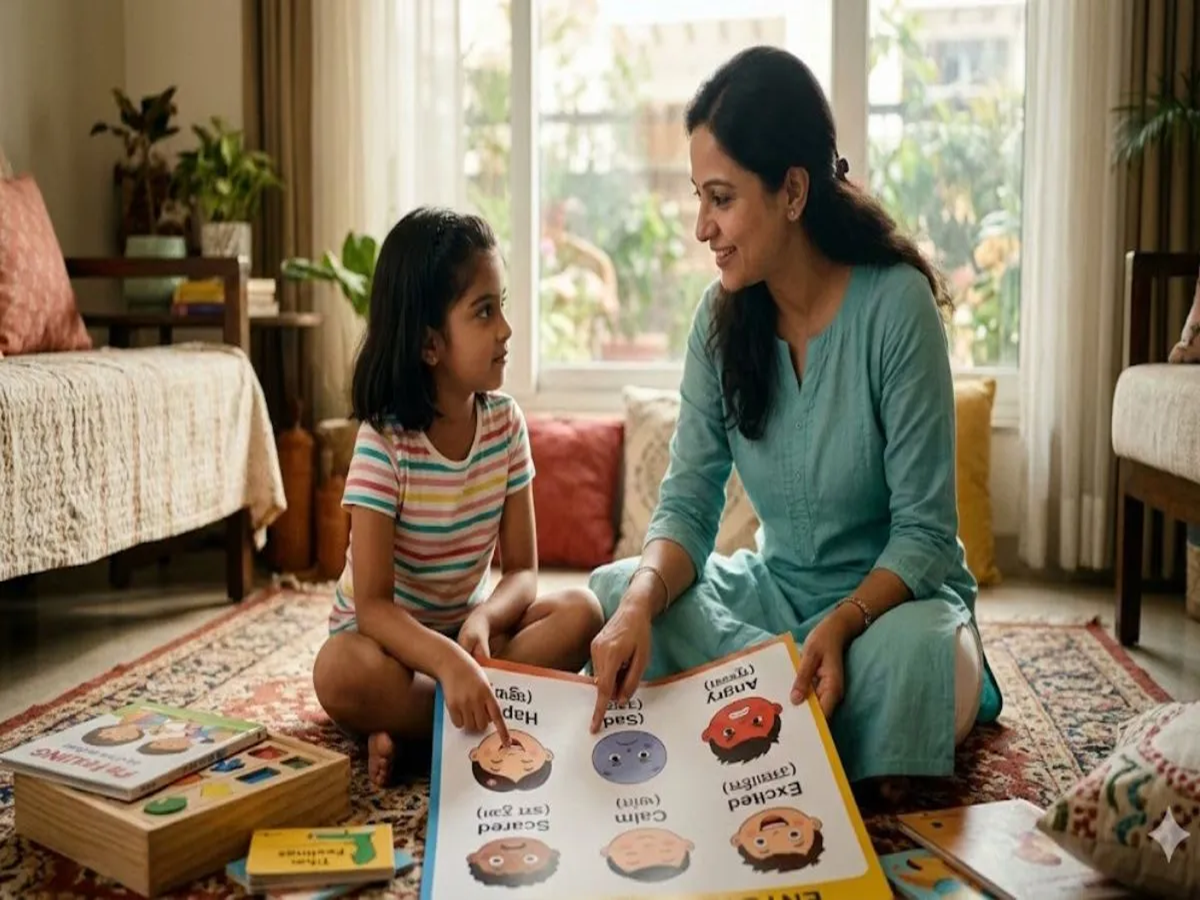
**Teach them to question:** Instead of completely banning social media, teach children to be mindful of it. Ask them questions like, "Who created the picture you like the most? What filters or lighting were used? Can a real person look like that all the time?" Explain to them that beauty is not defined by a single, fixed mold.
**Do not limit their identity to physical appearance:** If you constantly praise your child's looks, they will begin to measure their self-worth solely by their physical appearance. Appreciate qualities that have nothing to do with looks.
PC Social Media