
LIFESTYLE
Why does the risk of heart diseases—such as heart attacks and high blood pressure—increase after periods stop?

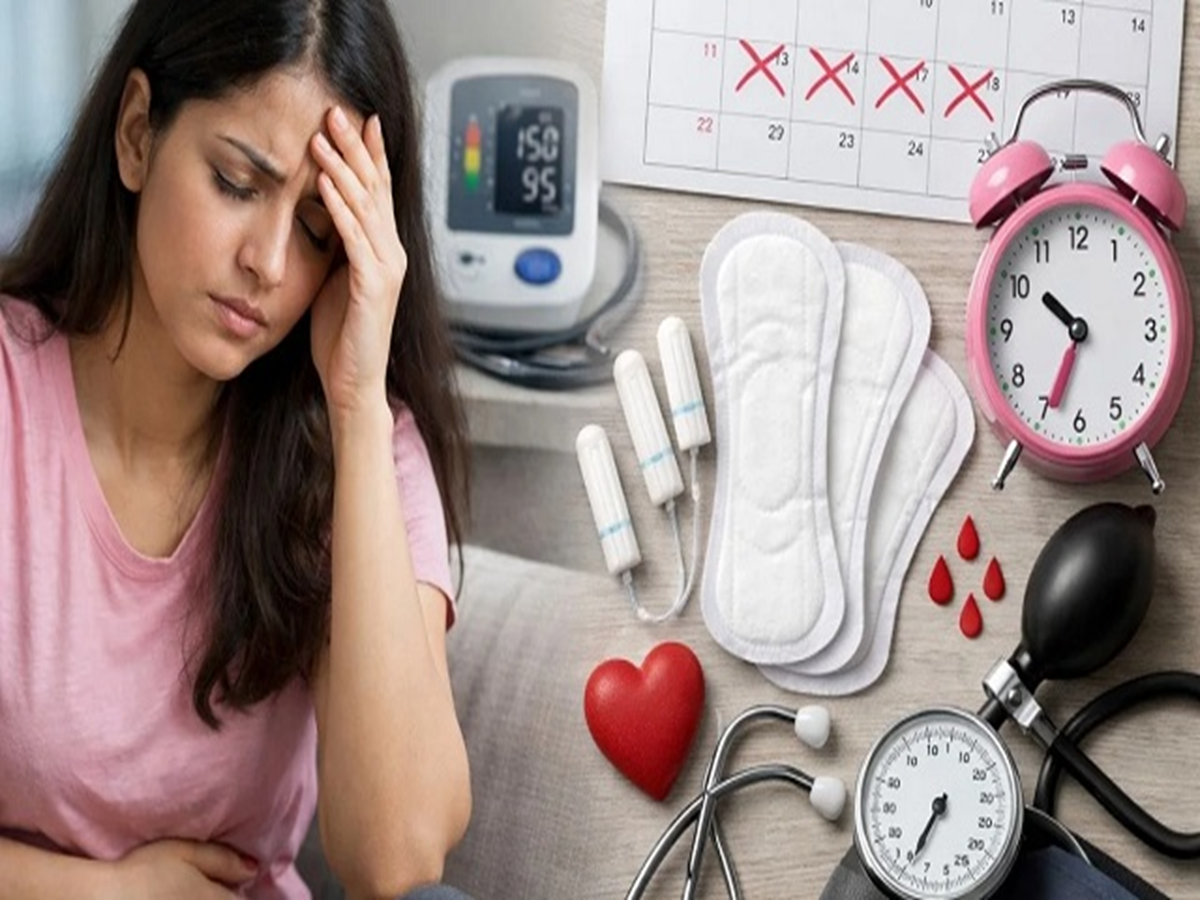
Heart Attack Risk After Menopause: For women, menopause is a natural phase of life. Typically, between the ages of 45 and 55, menstrual periods cease permanently. But have you ever considered that the end of menstruation could also impact heart health? During menopause, the body undergoes several hormonal changes—most notably, a decline in the hormone estrogen. This shift affects more than just menstrual cycles and mood; it can also influence blood pressure, cholesterol levels, and the way fat is stored in the body. For this reason, women in this age group need to be extra vigilant about their heart health.
Dr. Jeremy London, a U.S. board-certified cardiovascular surgeon, explained the link between menopause and women's heart health in a video shared on October 5th. With over 25 years of experience, Dr. London noted that the risk of cardiovascular issues can increase for women during menopause, highlighting three key changes that contribute to this.
Understanding the changes occurring in your body and paying attention to your health in a timely manner is the wisest course of action.
1. Potential increase in blood pressure—
He explained that some women may experience an increase in blood pressure following menopause. One reason for this is the decline in estrogen. As estrogen levels drop, the production of nitric oxide within the blood vessels also decreases. Nitric oxide helps keep blood vessels relaxed; when its levels fall, the vessels can become stiffer, leading to higher blood pressure. Sustained high blood pressure increases the risk of developing heart and vascular diseases.
2. Changes in cholesterol levels—
An increase in cholesterol is another significant change that can occur during menopause. According to Dr. London, when estrogen levels decline, the liver becomes less effective at clearing certain harmful fat particles from the bloodstream. This includes atherogenic lipoproteins containing ApoB. An increase in these levels can raise the risk of fat accumulation in the arteries, which may eventually lead to heart disease. Therefore, around the time of menopause, it is essential to monitor not just body weight, but also cholesterol levels and other heart-related risk factors.
3. Potential increase in visceral (internal) fat around the abdomen
After menopause, many women notice a rapid increase in weight, particularly around the midsection. This should not be dismissed as merely a natural consequence of aging. During this phase, there may be an increase in visceral fat—fat that accumulates deep within the abdomen, surrounding the internal organs.
According to Dr. London, this type of fat can affect the body’s metabolism. It may lead to increased insulin resistance and make it more difficult to manage cholesterol levels. Consequently, an expanding waistline after menopause is not just an aesthetic concern; it is also an indicator of health.
How can you keep your heart healthy during menopause?
Menopause cannot be prevented, nor is it a disease. However, the changes that occur during this period can certainly be managed. Regular walking or exercise, a balanced diet, adequate sleep, stress management, and maintaining a healthy weight can all be beneficial for heart health.
Additionally, it is important to have regular check-ups for blood pressure, blood sugar, and cholesterol levels. If any new or concerning symptoms arise during menopause, it is better to consult a doctor rather than simply attributing them to the aging process.
Important note: Menopause does not mean that every woman will develop heart disease; however, certain risk factors may increase during this stage of life. Therefore, understanding the changes occurring in your body and paying attention to your health in a timely manner is the wisest course of action.
Medical Disclaimer: This article is intended for general health information purposes only. The information provided here is not a substitute for medical diagnosis, treatment, or professional medical advice. During menopause, symptoms and health risks can vary from woman to woman. If you experience chest pain, difficulty breathing, sudden weakness, severely high blood pressure, or any other serious heart-related symptoms, please contact a doctor or the nearest hospital immediately. Do not start or stop any medication, hormone therapy, or other treatments without consulting a doctor.
PC Social Media