LIFESTYLE
Why are sweets shaped like elephants, horses, and *kalash* purchased during Diwali? Discover the real story behind this..
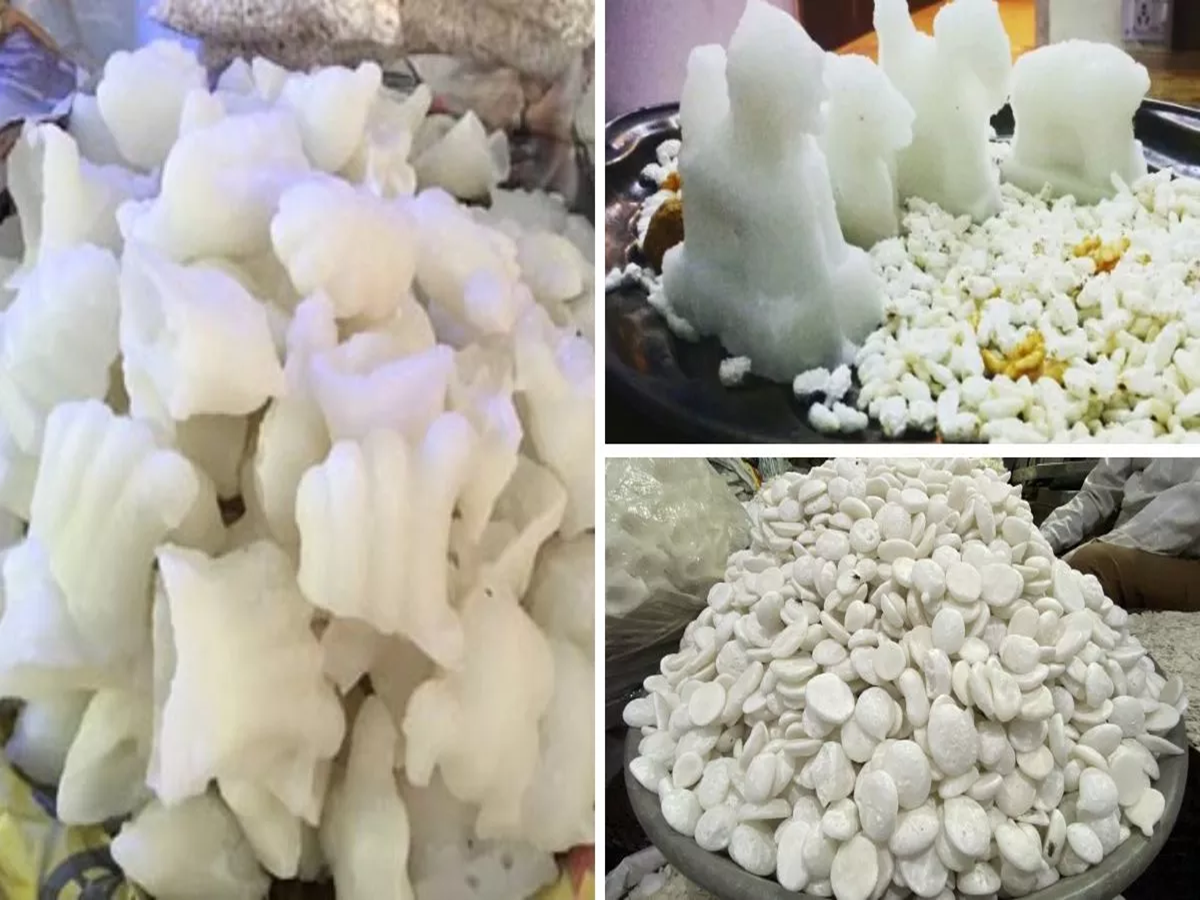
As the festival of Diwali approaches, the demand for sweets in the markets surges. In Jalore, however, there is a traditional form of Diwali confectionery that stands out due to its unique shapes. Here, *batashe* (sugar drops/confections) are crafted not just in the standard round shape, but in a wide variety of forms—the most distinctive among them being the *Mahal Maliya*.
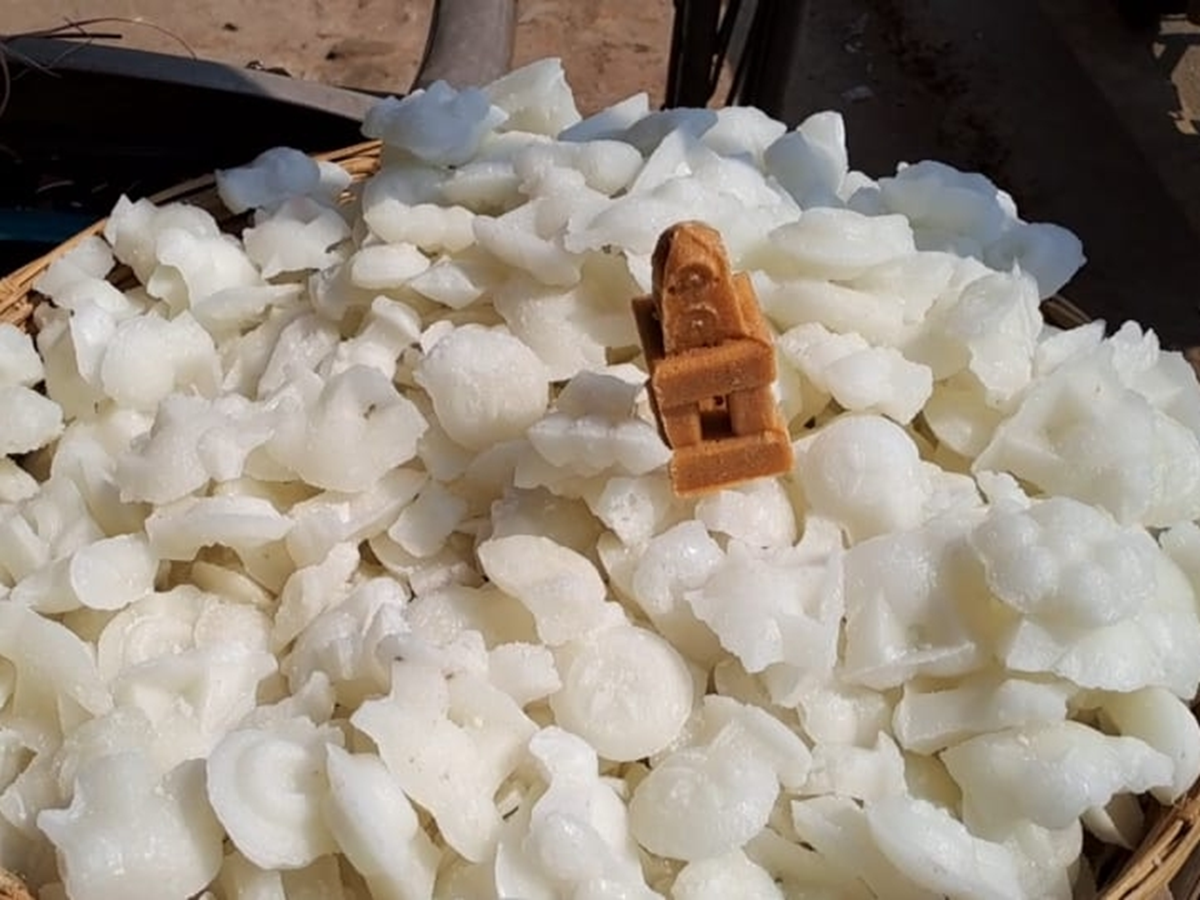
The name *Mahal Maliya* itself hints at its unique character; these *batashe* are fashioned into the shape of a palace (*mahal*) and are used during the worship of Goddess Lakshmi and Lord Ganesha on Diwali. These intricately shaped *batashe*, found in the markets for the festive rituals, captivate everyone—from children to adults.
*Batashe* are also crafted in the shapes of elephants, ducks, *kalash* (ceremonial pots), and *diyas* (lamps).
The variety of *batashe* in Jalore extends well beyond the *Mahal Maliya*. Depending on specific needs and traditions, they are created in numerous forms—including elephants, ducks, *kalash*, and *diyas*. Their elaborate designs set them apart from the conventional, round *batashe*.
High demand for *Mahal Maliya* during Diwali.
Grocery merchant Arjun Mali explains that a diverse range of *batashe* arrives in the market during the Diwali season, with *Mahal Maliya* being in particularly high demand. People also purchase *batashe* shaped like elephants, *kalash*, and other figures for their religious rituals. This tradition has deep roots in Jalore, and people make a special point of buying them for Diwali.
The significance of *batashe* in Lakshmi Puja.
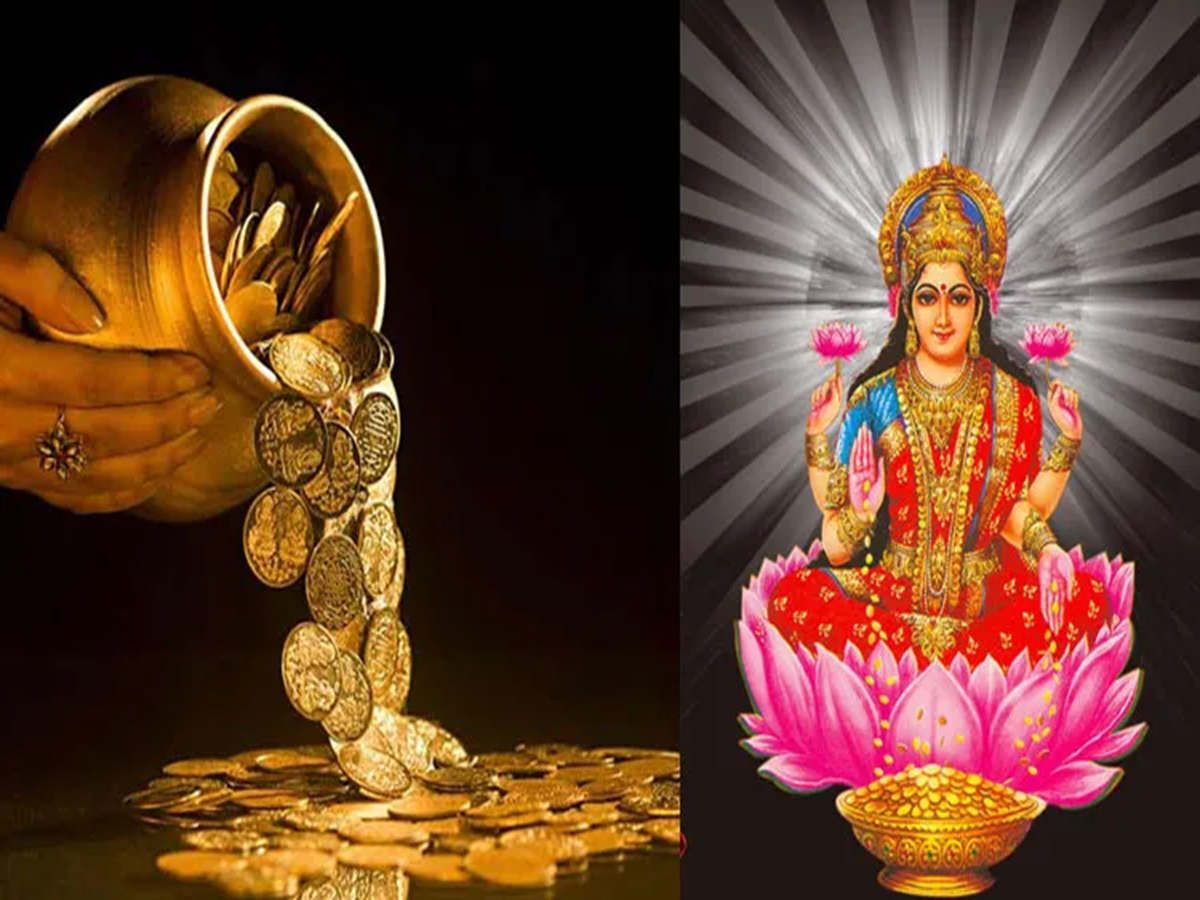
During the Lakshmi Puja on Diwali, *batashe* are associated with auspiciousness and sweetness. It is believed that by offering these sugar-based treats, one invokes happiness, peace, and prosperity for the household. This is precisely why *batashe* continue to hold an essential place among the items used for worship. Purchasing *batashas* is rooted in tradition. In the markets of Jalore, the demand for these traditional *batashas*—sugar drops—rises ahead of Diwali. People purchase them in various shapes, depending on the requirements for their *puja* (worship rituals). For many families, these *batashas* are not merely items for worship, but an integral part of a long-standing Diwali tradition. Although the market today is flooded with modern sweets and a wide array of decorative items, the traditional *batashas* of Jalore have managed to retain their distinct identity.
PC Social Media