Food & recipe
This special sweet is the pride of the festival, it is prepared by mixing mawa, coconut and dry fruits..
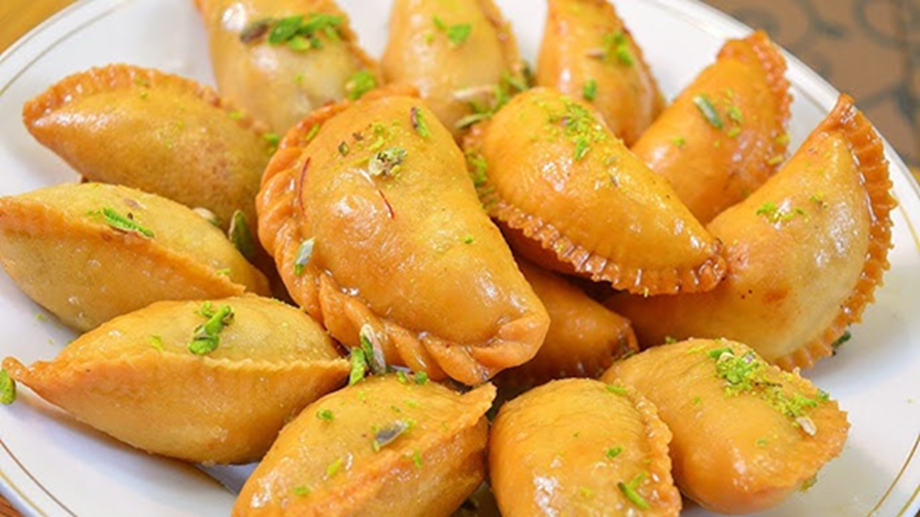
How can it be possible to not have the joy of festivals without the fragrance of homemade Gujiya? Gujiya is not just a sweet, but is the identity of Indian festivals. It has a special place, especially on occasions like Holi, Rakshabandhan, Diwali, and Teej. In the Vindhya region of Madhya Pradesh, Gujiya is served not only as a sweet but also as a snack. This sweet, full of mawa, coconut, and dry fruits, wrapped in a golden, crispy layer, wins the heart of every guest.
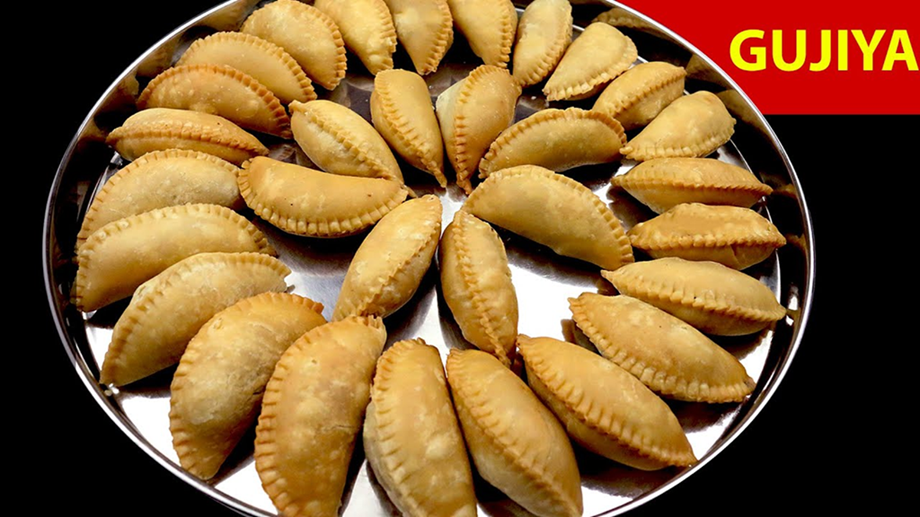
Gujiya: A confluence of taste and tradition
Traditional method
To make Gujiya, first take 2 bowls of refined flour or fur flour. Add one spoon of salt and three spoons of desi ghee and mix well. Then add water and knead the dough, and keep it covered with a wet cloth.
For stuffing, fry semolina or flour on a low flame, when a mild fragrance starts coming, take it out. Add a bowl of mawa, cashew nuts, almonds, grated coconut, and sugar as per taste and mix. Now, roll small balls of the dough. Give them a shape using the mold of Gujiya or with your hands, and fill one spoonful of stuffing in each. Apply a little water on the edges and seal it properly so that the Gujiya does not tear while frying.
From taste to health, take care.
Fry the prepared Gujhiyas in hot oil till they turn golden. Keep them in an airtight container after they cool down. Many families in Baghelkhand prepare Gujiya a few days before the festival so that they can be served to the guests immediately. It is not only tasty, but the mawa and dry fruits present in it also give energy.
For many years, this home-made sweet of the Vindhya region has been the first choice of people. Its demand increases on every festival and people prefer home-made Gujiya over the market one. This time on the festival, add sweetness to relationships with Gujiya made by your own hands and keep the taste of home alive.
PC Social media