FASHION
Skin Care: Attention people with sensitive skin, these 5 things can damage your skin; avoid applying them..
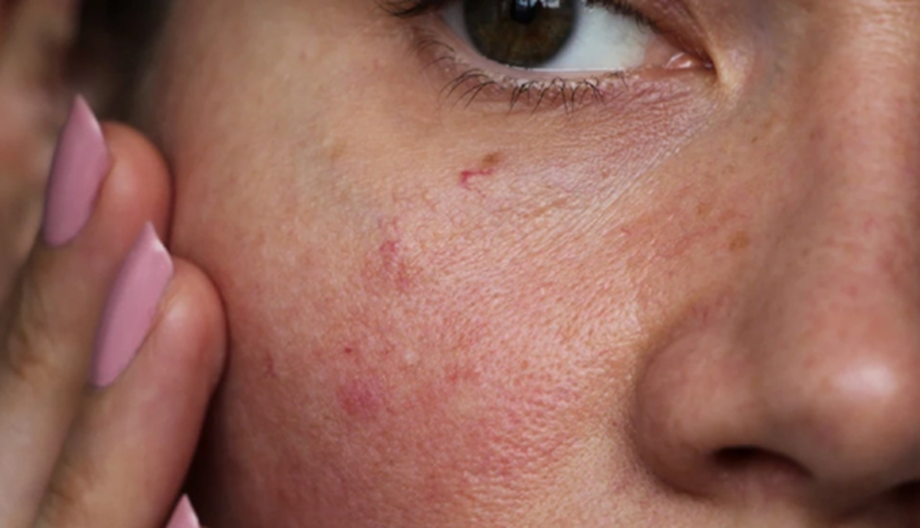
Skin care is important to keep it healthy, but along with this, it is equally important to take care of the skin type. Every skin is different and its needs are also different. When you take proper skin care according to your skin type, the risk of skin infection, allergies, rashes, and other problems is reduced to a great extent. At the same time, if the wrong products are used, the skin can be severely damaged and the natural glow of the skin can also be lost. In such a situation, here we are telling about those 5 things that people with sensitive skin should never apply so that their skin remains safe and healthy.
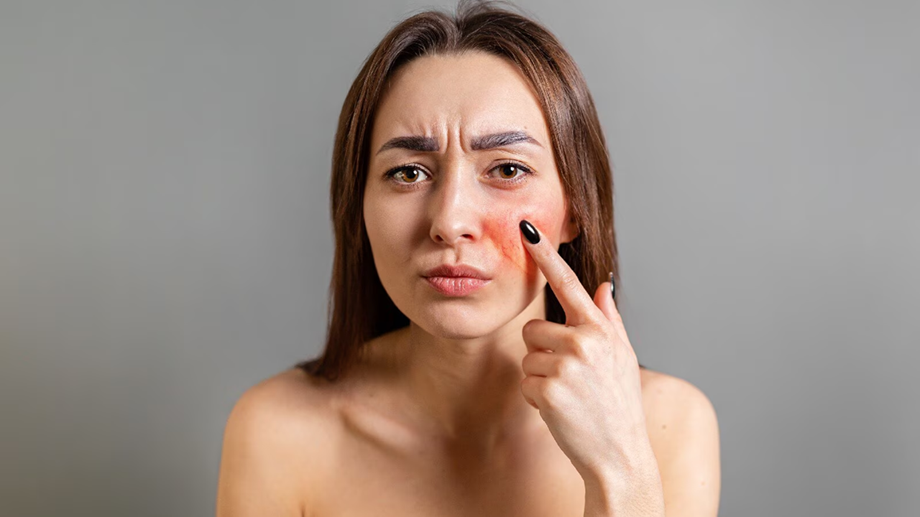
1) Toothpaste
Many people use toothpaste as a home remedy to deal with acne. However, this remedy can prove to be dangerous for people with sensitive skin. Toothpaste contains hydrogen peroxide, baking soda, alcohol, and other chemicals, which can dry the skin and cause irritation. This can cause acne to flare up more or cause blemishes on the skin. You should use an anti-pimple gel or cream recommended by the doctor instead, which is more beneficial in preventing acne and protecting the skin.
2) Lemon juice
Lemon is rich in vitamin C and is known for skin brightening, but using it directly can be risky for those with sensitive skin. The citric acid present in lemon can react strongly on the skin, causing skin irritation, itching, redness, and even blisters. Especially when you go out in the sun after lemon juice, photosensitivity in the skin can increase, which can cause severe skin burns. Therefore, people with sensitive skin should avoid applying lemon juice directly on the face.
3) Baking soda
Baking soda is often used to exfoliate the skin, but it is no less than a danger for sensitive skin. Baking soda can disrupt the skin's natural pH level, causing the skin to lose its moisture and lead to problems like excessive dryness, redness, and irritation. Using it for a long time can weaken the skin barrier, making the skin even more vulnerable to infection. Therefore, people with sensitive skin should completely avoid baking soda.
4) Essential Oils
Essential oils are known for their natural fragrance and therapeutic properties, but they are not always beneficial for sensitive skin. Many essential oils like lavender, tea tree, and lemongrass can cause irritation, itching, rashes, or allergic reactions on the skin. Applying essential oils directly on the skin without diluting them can be risky. If you want to use them, then do it only by mixing them with a good carrier oil and doing a patch test. But ideally, people with sensitive skin should stay away from them.

5) Apple Cider Vinegar
Apple cider vinegar (ACV) is praised for its antibacterial and anti-inflammatory properties, but it should be used with caution for sensitive skin. The highly acidic nature of ACV can weaken the skin's natural barrier, causing skin irritation, dryness, and redness. Also, if ACV is applied directly without diluting it, it can cause a burning sensation on the skin. Therefore, people with sensitive skin are advised to either not use apple cider vinegar at all or use it with extreme caution.
Note: Always use natural, fragrance-free, and doctor-certified products when caring for sensitive skin, and do a patch test before trying any new product.
PC Social media