Parenting
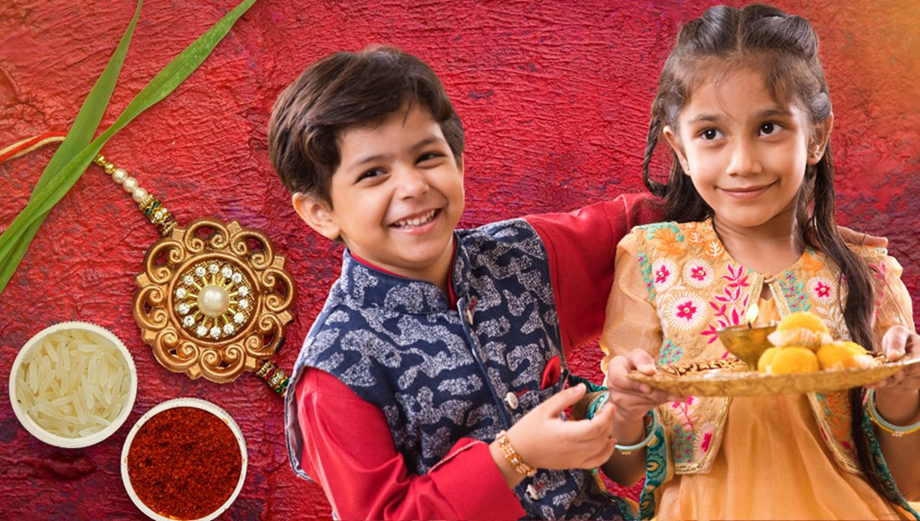
Rakshabandhan: Rakshabandhan is not just about tying a Rakhi, teach children the true meaning of relationships..
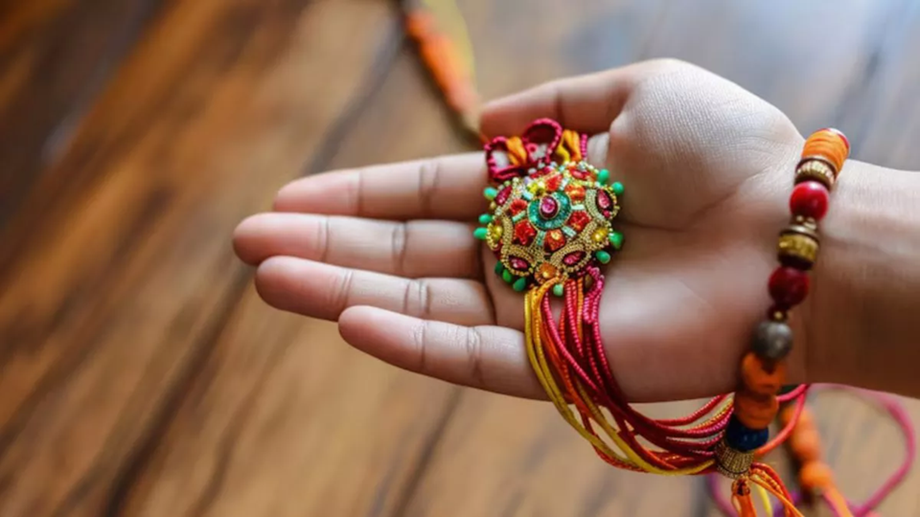
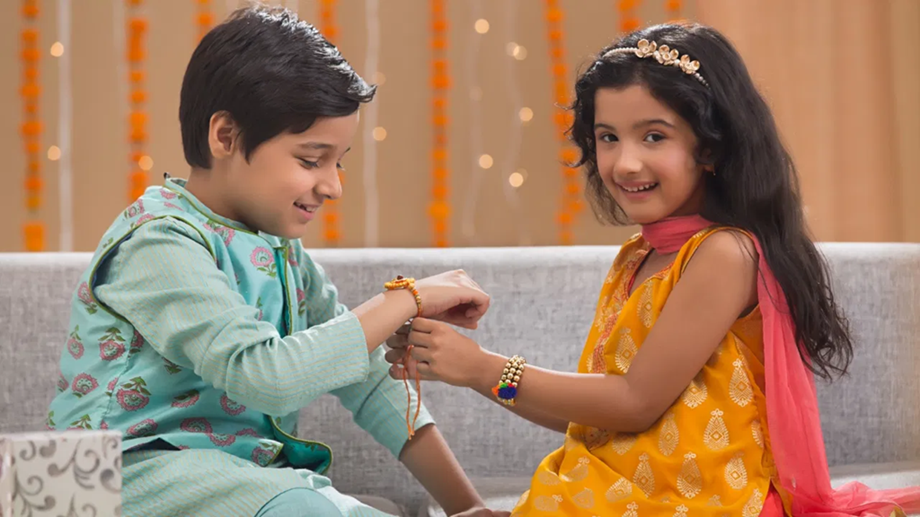
The holy festival of Raksha Bandhan reminds us of the sacred and affectionate relationship between brother and sister. The meaning of this festival is that the sweetness of the relationship should remain forever, and it should not be limited to a one-day formality. But are we able to convey this feeling equally to every member of the family? Generally, every parent expects affection, understanding, and cooperation between their children, especially sons and daughters. They want their son to protect his sister, respect her, and support her in every situation, but when it comes to the relationship between a father and his sister, i.e. aunt, then why does the enthusiasm get suppressed?
Victim of a wrong image
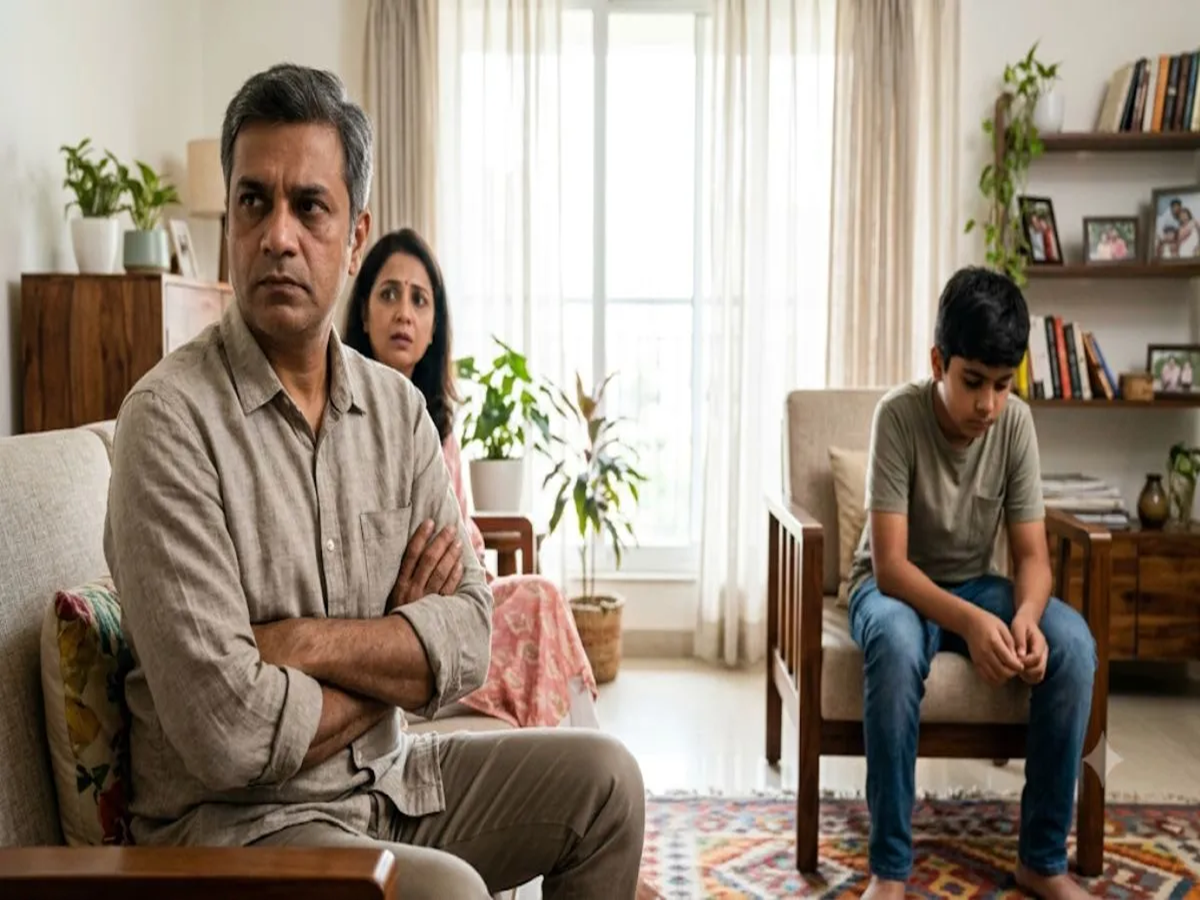
In Indian society, the relationship of an aunt is often seen in a negative light. In films and serials, an aunt is often shown as jealous, quarrelsome, or selfish. In mythological stories, characters like 'Holika' are presented as an aunt. Gradually, this image has become deeply embedded in the minds of people. The same image has been created of some Bhabhis that they do not welcome their sister-in-laws. Every family is different, and we cannot see relationships through the same mirror. It is important to come out of the negative image that TV and films have given to the aunt. It has been seen many times that there is a situation of conflict, complaint or disagreement between the Bhabhi and the sister-in-law, in which there can be misunderstanding from both sides. In such a situation, the aunt's coming and going to the house starts to seem cumbersome and formal. This thing also gets embedded in the minds of the children.
Parents should set an example themselves.
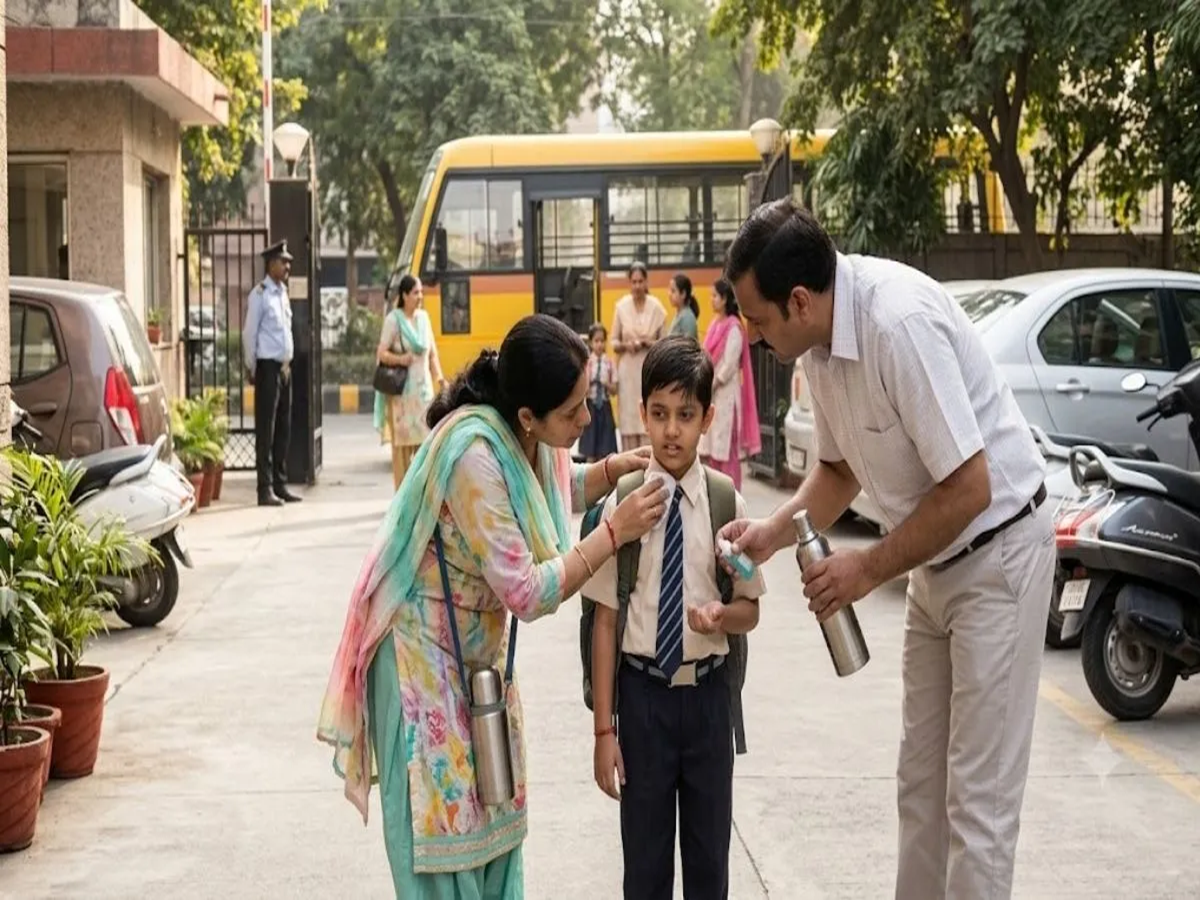
Education is not given only by words, but by conduct. If we want our children to remain connected with their siblings throughout their lives, then we, too, will have to preserve our relationship with our siblings. If a father remembers his sister only formally, or the mother suppresses that relationship, then the son and daughter also adopt the same behavior. To bring about this change, parents themselves should set a positive example. Parents should openly maintain their relationship with their siblings in front of their children.
If there is ease in the relationship from both sides, then this festival or interaction will not be measured in terms of money and gifts. Aunt is not 'Holika', but family. If we learn to maintain relationships, then it will be easy to teach children. Parents will have to put this into practice first; only then will the next generation learn that true Rakshabandhan can be celebrated every day - not only with the thread of Rakhi, but with the bond of affinity, and to maintain its fragrance, suitable occasions will have to be created.
Aunt is changing
Well, now the time is changing a bit. Sisters and aunts of the new generation are emotionally attached and are going to play an active role in the lives of their brothers, nephews, and nieces. Aunt is now participating with children in their projects, giving advice, stories, and experiences. On the other hand, Bhabhis are also not behind in making and maintaining relationships with an open heart; rather, they are becoming each other's support, sharing reel-memes.
Aunt can bring a second motherhood to the lives of children. Their experience, affection, and guidance are invaluable for children.
When all family relationships are maintained with respect in front of children, they also become emotionally balanced.
It is important for children to understand that every relationship is equal - whether it is maternal, uncle, aunt, or paternal aunt.
Give children shared experiences with their aunt and maternal aunt and their children, like spending holidays, listening to their stories, and celebrating festivals together - these experiences fill children's minds with positivity towards relationships.
PC Social media