Parenting
Pediatric Stroke: Children can also be victims of brain stroke, know its causes and prevention methods..
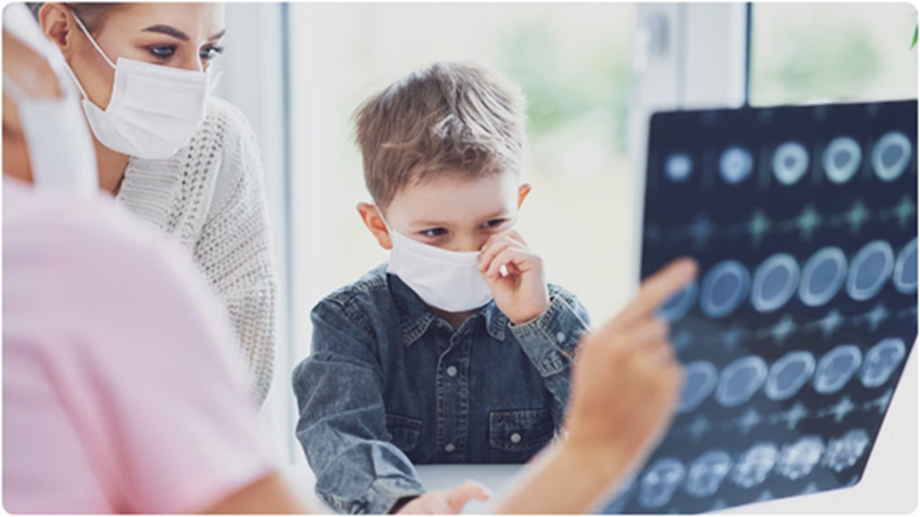
Along with cancer and heart disease, stroke is one of the leading causes of death worldwide. According to the World Health Organization (WHO), approximately 17 million people suffer from strokes each year, of which approximately 6 million die. This number is also increasing rapidly in India, with one person suffering from a stroke every four minutes.
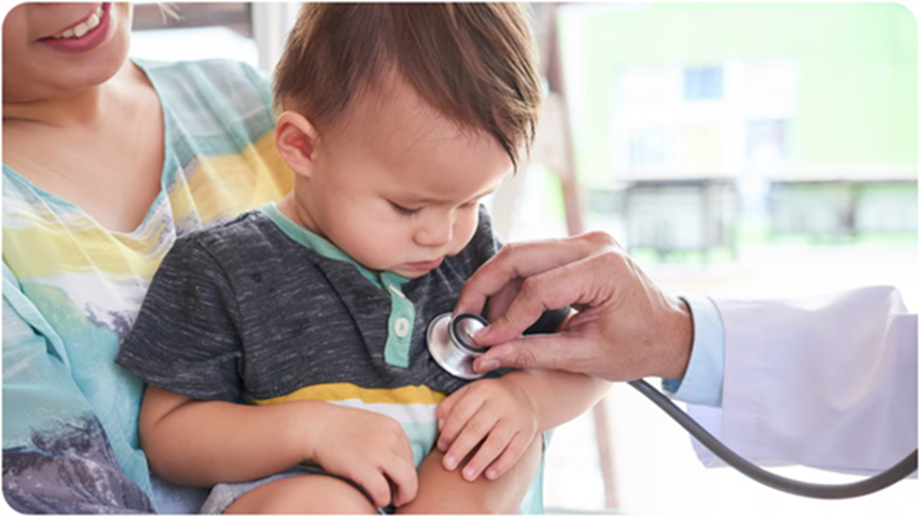
Strokes have typically been considered a problem of the elderly, although in recent years, young adults are also becoming victims. When it comes to strokes occurring at a young age, many questions arise. Do children also suffer from strokes? This question is quite common. Let's understand it.
First, let's understand what a brain stroke is.
A brain stroke occurs when blood flow to the brain suddenly stops. This deprives brain cells of oxygen, causing them to be damaged within minutes.
There are two main types of strokes. Ischemic strokes occur when a blood clot blocks an artery in the brain, preventing blood supply to the brain. Hemorrhagic strokes occur when a blood vessel in the brain ruptures, causing bleeding in the brain. This is caused by a sudden increase in blood pressure.
A stroke is fatal; those who survive it are at higher risk of paralysis.
Can children also suffer from strokes?
Health experts say that while strokes are more common in the elderly and adults, they can also affect children. Cases of stroke have also been reported in newborns. Stroke is a life-threatening condition. Strokes are rare in infants, children, and adolescents. However, when children experience a stroke, prompt treatment can increase the risk of a variety of serious complications.
The causes of stroke in children are usually different from those in adults, such as lack of oxygen at birth, congenital heart disease, infections like meningitis or chickenpox, blood thickening, or a serious head injury.
What are the symptoms of stroke in children?
Children may experience different symptoms of stroke than adults who have had a stroke.
Children may experience changes in behavior or thinking, along with problems with hearing or vision, difficulty swallowing, muscle weakness on one side of the body (hemiparesis), and difficulty speaking or understanding words.
Many children, including infants and young children, may not experience the typical symptoms of stroke. Instead, they may experience seizures, headaches, nausea and vomiting, and fever, along with fatigue.
Stroke Risks and Prevention
Doctors say that children who suffer a stroke usually recover completely. But depending on which part of the brain the stroke affects, some children may experience permanent changes in their thinking (cognitive) and speech abilities. They may also experience weakness in the affected area or changes in their vision. Children who have had a stroke are also at higher risk of developing epilepsy.
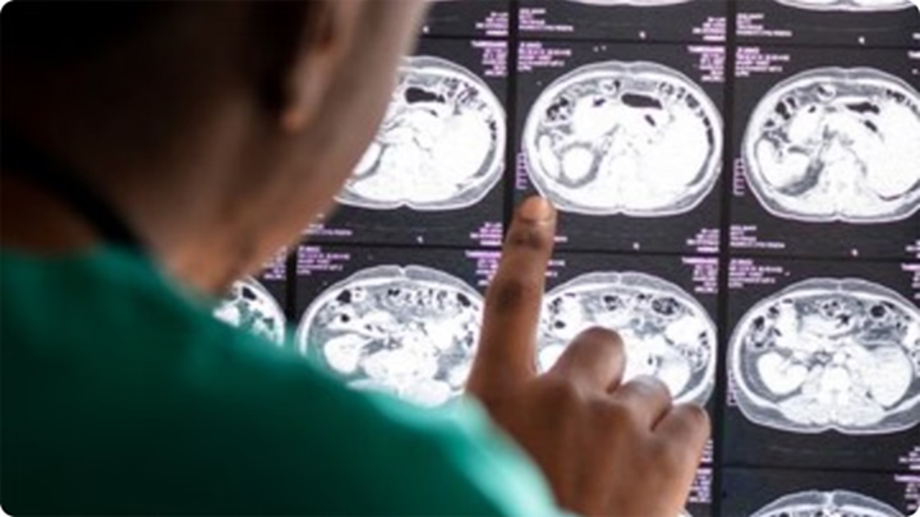
Diagnosing a stroke in children can be difficult because the symptoms are not always recognizable. All parents should be vigilant about prevention. Sometimes, an ischemic stroke occurs during or shortly after birth, which is called a perinatal stroke. Gestational diabetes or premature birth can also increase the risk of stroke.
PC Social Media