Parenting
Parenting: If your child gets angry over small things, then teach him these 5 habits today..
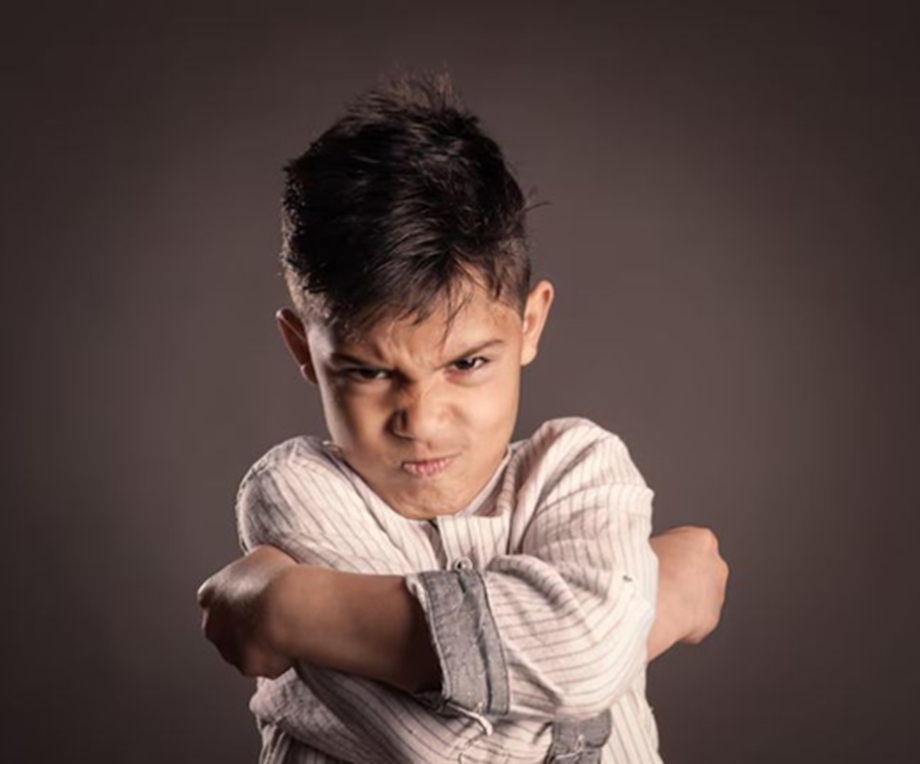
How to Control Child Anger Issues: Childhood is the age when a person's thoughts, feelings, and habits develop the fastest, but if your child starts getting angry over small things, shouts over every little thing, or never accepts his mistake, then this is a sign that he needs to be taught some important social habits.
Getting angry is a human emotion, but controlling it and accepting your mistake is an art that can be learned. If you want your child to be polite, sensible, and apologetic for his mistake, then start teaching him the 5 habits given below from today itself.

Teach to identify feelings.
Often children react in anger because they are unable to understand their feelings. They just feel that something 'wrong' has happened, and they get angry.
In such a situation, teach the child the names of his feelings in simple words - like "Are you angry?", "Are you sad?". When the child can speak his mind, he will speak instead of getting angry.
Show 'apology' as wisdom, not shame.
Many times children hesitate to apologize because they think that it will make them look 'weak'. We need to explain to them that apologizing is not a sign of weakness, but wisdom and responsibility.
Every time you make a mistake yourself, apologize in front of the child - whether it is to a family member or the child himself. This will make him see that it is important to apologize.
Teach techniques to calm down.
The child has the habit of reacting immediately in anger. In such a situation, teaching him to pause for a few moments, take a deep breath, or count, can be very helpful.
Do 'peace practice' with the child in a playful way - like "Whenever you get angry, count till 5 and then tell what should be done". Gradually this technique will turn into his habit.
Use positive things
If the child does something wrong and you start scolding or shouting, he becomes defensive and instead of apologizing, he starts making excuses. Positive language and a calm tone make it easier to get an apology.
For example, "This behavior of yours was not right, can you think what you did wrong?" - such questions will force the child to think and the apology will come automatically.
Be a good role model.
Children learn what they see. If the elders in the house get angry, avoid the mistake, or do not apologize, then the child will also learn the same.
Your behavior is his biggest school. If you accept your mistake, apologize, and remain calm - then the child will also learn the same. Showing is more effective than telling.
Teach children how to apologize.
Just saying "sorry" is not enough. Teach children how to apologize - for example,
"I'm sorry, I broke your pencil."
"I spoke in anger, I regret it."

This will help them understand not just words but also feelings.
It is common for children to get angry or not accept their mistakes, but it should not become a permanent habit, so it is important to teach good behavior from an early age. If you work on these habits with patience, love, and a little guidance, your child will not only learn to handle his emotions but will also become a responsible and sensitive person.
PC Social media