LIFESTYLE
Kanya Pujan 2026: Why is the worship of Goddess Durga considered incomplete without halwa, puri, and chana?
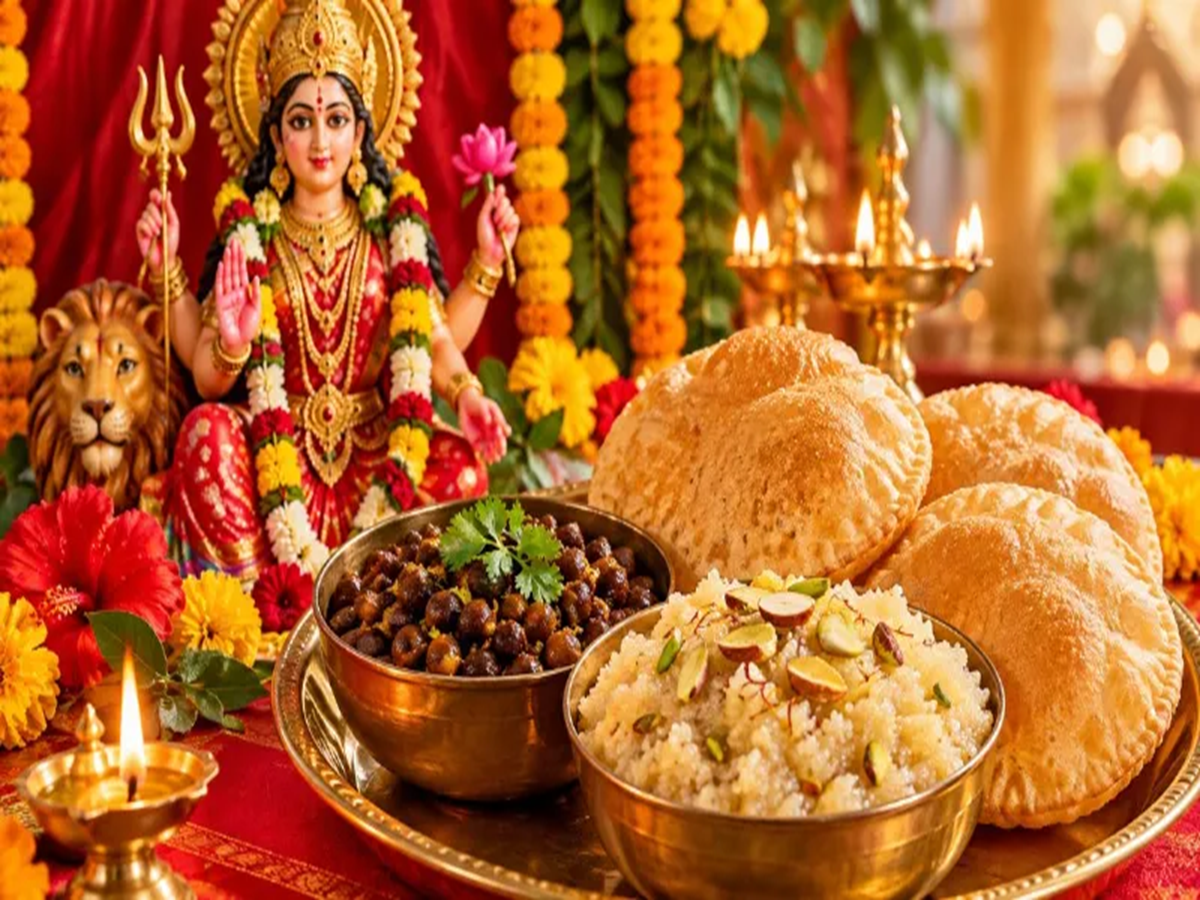
During Shardiya Navratri, 'Kanya Pujan' (worship of young girls) is observed on the days of Ashtami and Navami. In 2026, Shardiya Navratri began on Sunday, October 11, and will conclude on Tuesday, October 20, with Vijayadashami. On the days of Ashtami and Navami, Kanya Pujan is performed in households across the country.
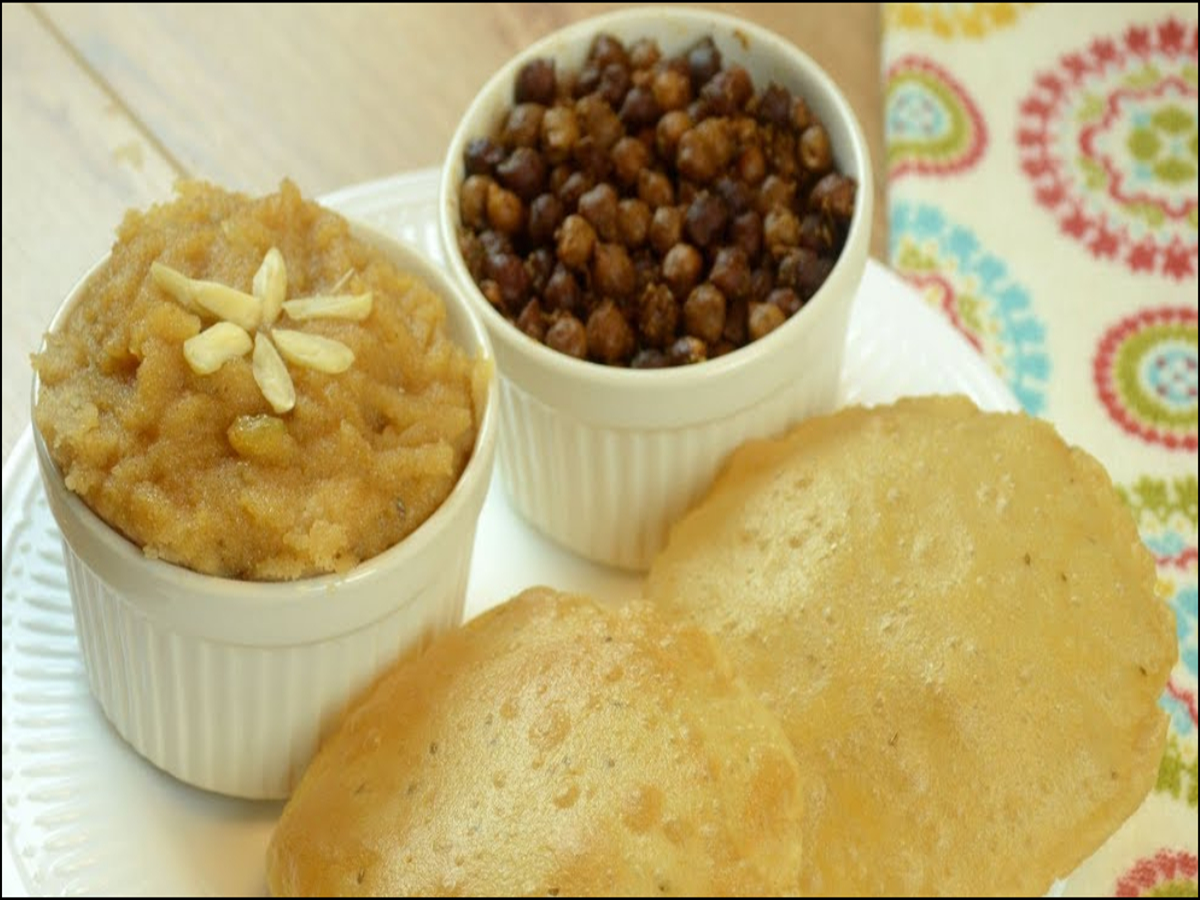
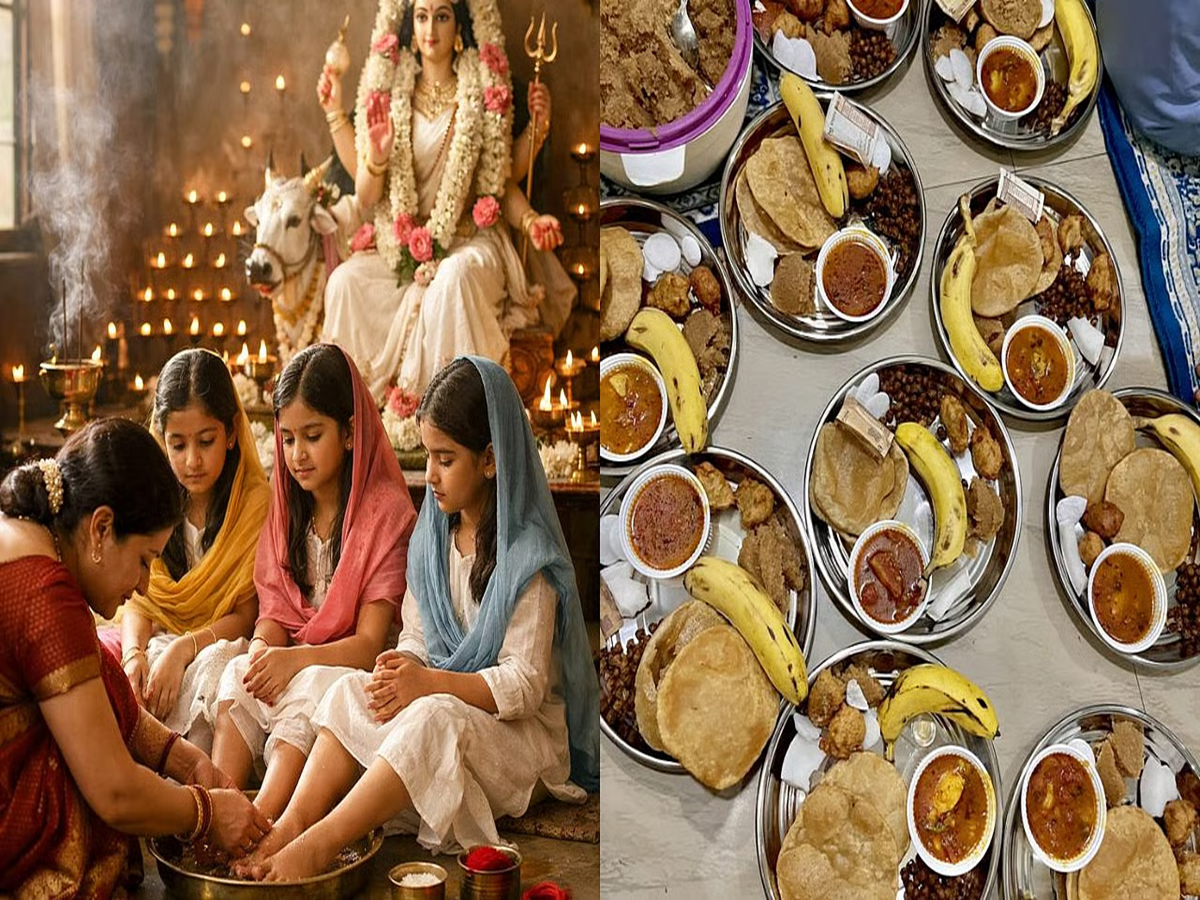
As part of this ritual, young girls are served a meal consisting of *puri* (deep-fried flatbread), *halwa* (a sweet semolina pudding), and *kale chane* (black chickpeas). In North India, preparing this traditional meal is considered just as essential as performing the religious rituals associated with Durga Puja. On this day, the girls are revered as manifestations of the Goddess (Mata Rani); they are served with sincere devotion, affection, and respect. But have you ever wondered why *puri*, *halwa*, and *chana* are the specific offerings served during Kanya Pujan every year?
Why are *halwa*, *puri*, and *kale chane* offered during Kanya Pujan?
During Kanya Pujan, young girls are worshipped as symbols of the divine feminine power of Goddess Durga. Following traditional prayers, devotees offer them food as *prasad* (a sacred offering), expressing their devotion and gratitude toward Goddess Durga through this act of hospitality.
This specific combination of *halwa*, *puri*, and *kale chane* is highly popular in North Indian households. It is a satisfying meal for young girls and is also convenient to prepare for a group. Furthermore, this offering reflects the traditional value of *anna daan*—the act of donating or providing food.
What do *halwa*, *puri*, and *chana* symbolize in Kanya Pujan?
The *halwa* served during Kanya Pujan—prepared with semolina, *ghee* (clarified butter), and sugar—is considered a symbol of sweetness. It is also closely associated with the spirit of celebration. In Indian households, this is specially prepared during 'Kanya Pujan' (the worship of young girls).
Furthermore, *halwa*, *puri*, and *chana* (chickpeas) are considered the offerings (*prasad*) most beloved by Goddess Durga. These food items are regarded as pure, *sattvic* (wholesome/virtuous), and sacred, reflecting a sense of reverence and devotion toward the Goddess. *Chana* is associated with strength and energy, while *puri* is considered a symbol of prosperity and contentment.
This combination is quite common in North India during *Kanya Pujan*. However, the specific food items and rituals may vary based on regional customs and family traditions; some families may offer fruits, sweets, or other types of *prasad* on this day.
Seasonally Appropriate
*Shardiya Navratri* typically falls in September and October, a period marked by a seasonal transition as the onset of winter begins. During this time, it is considered essential to consume food that helps keep the body warm. In this context, *chana*, *puri*, and warm *halwa* are not only nutritious but also provide the body with warmth and energy.
PC Social Media