LIFESTYLE
Health Risk: This common problem is a major cause of reproductive issues in women; are you also a victim?
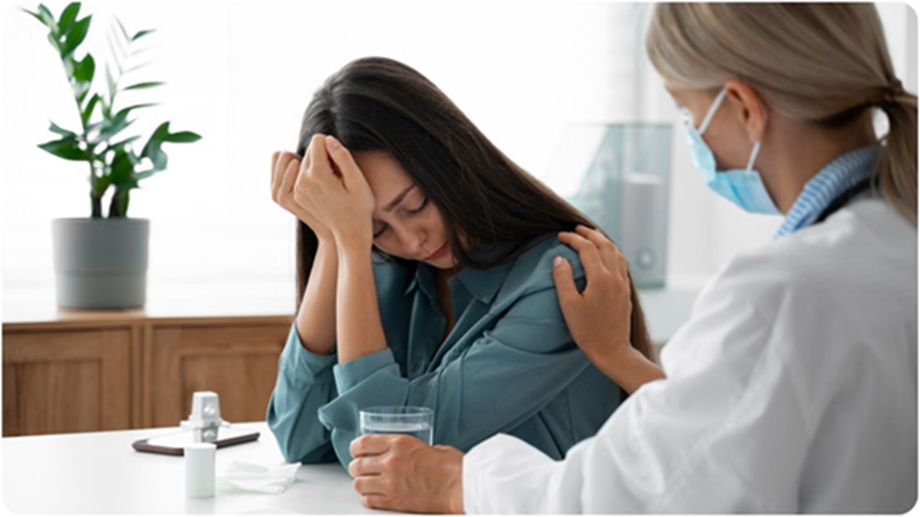
Anemia, or iron deficiency, is a common problem among women, and Indian women are at a particularly high risk. Health experts believe that a deficiency of nutrients like iron and folate in the diet, or certain underlying health conditions that prevent the body from absorbing these nutrients, can cause anemia. Furthermore, if anemia is not diagnosed and treated promptly, it can lead to several other health problems.

A hemoglobin level below 13.5 g/dl in the blood indicates that you may have anemia. It's not just women; men can also be affected.
Now, the question arises: can anemia affect fertility? Can people with anemia give birth to a healthy child? Let's find out.
Iron is crucial for bodily functions.
Health experts say that iron performs many important functions in the body and plays a role in the growth and development of cells. Research suggests that iron deficiency in the body can lead to reproductive disorders, low birth weight, premature delivery, and even miscarriage.
Women with anemia often experience difficulties with ovulation, and without ovulation, getting pregnant becomes almost impossible.
The effect of anemia on fertility
Health experts say that when there is an iron deficiency, the amount of oxygenated blood reaching essential organs like the uterus and ovaries decreases. This can lead to poor egg quality and other reproductive complications. However, current research indicates that approximately 50 percent of pregnant women are not getting enough iron.
Similar to women, men with anemia are also at risk of experiencing fertility and sperm-related problems.
Correct diagnosis and treatment are essential.
If you are diagnosed with anemia, it is very important to seek proper treatment and undergo regular check-ups as advised by your doctor. Iron-deficiency anemia occurs when your body has low levels of ferritin or hemoglobin, or both. Studies have shown that women who take iron supplements during pregnancy can reduce their risk of anemia and related problems, as well as complications during childbirth.
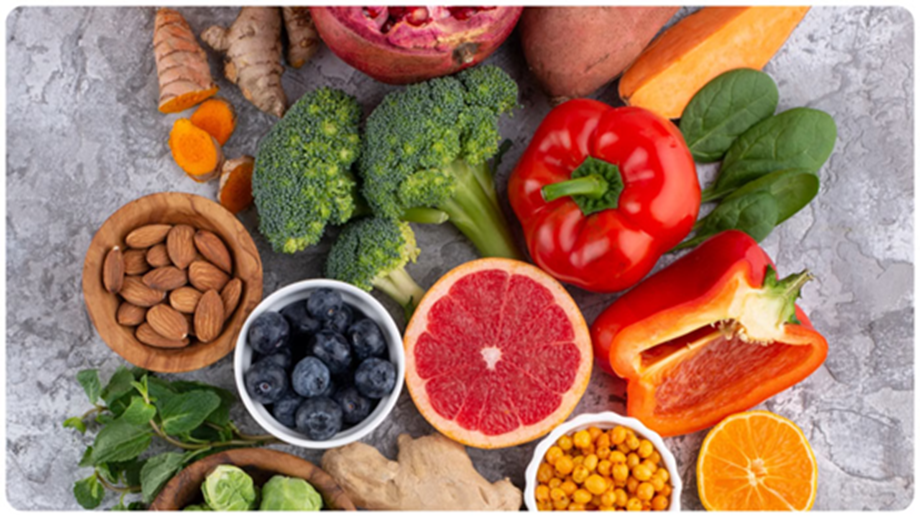
Consume iron-rich foods
Even if you don't have anemia, pay attention to the nutritional value of your diet and make sure to include plenty of iron-rich foods. The body's iron needs can be easily met through foods like green leafy vegetables and nuts. During pregnancy, take iron tablets as advised by your doctor to minimize related problems in later stages.
PC Social Media