
LIFESTYLE
Health: Delhi's toxic air has a 'gender' connection: the pollution is filling the lungs of men more than women..

Air pollution has become a serious health problem in metropolitan cities like Delhi. The toxic air in the capital is harming the health of everyone, from children to young adults. A recent study has revealed that men's lungs accumulate a higher amount of pollutant particles compared to women's.
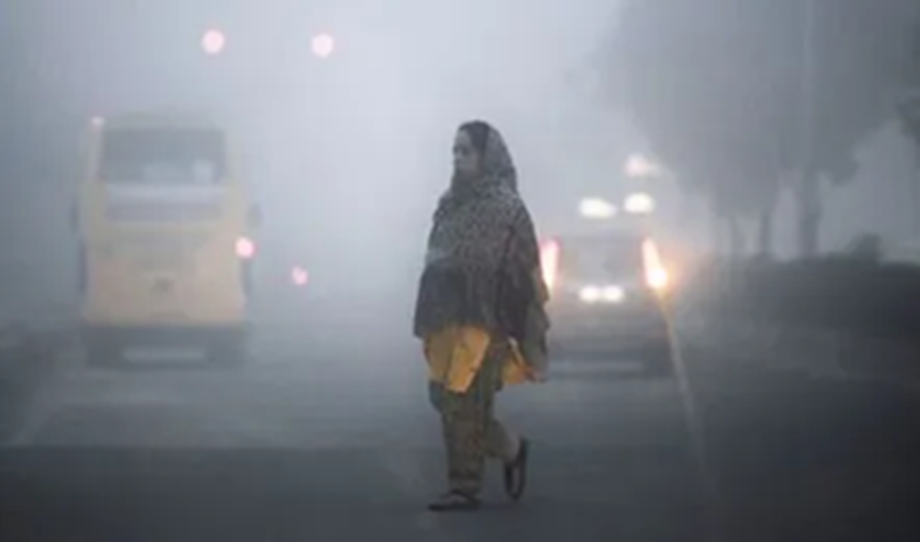
A study (2019–2023) conducted by Netaji Subhas University of Technology, Delhi, and an environmental consulting firm based in Noida, revealed that men are more exposed to pollution, and this is having a profound impact on their health.
Why are men more affected by pollution?
This study measured the respiratory deposition dose (RDD) of dangerous particles like PM2.5 and PM10, which is the amount of pollutants deposited in the lungs through breathing. According to the results, the RDD of PM2.5 in men was found to be 1.4 times higher than in women while sitting, and approximately 1.2 times higher while walking. Similarly, for PM10, the RDD in men was recorded as 1.34 times higher while sitting and 1.15 times higher while walking.
A major reason behind this is the lifestyle and nature of work of men. According to experts involved in the study, a larger number of men work outdoors, such as at construction sites, factories, roadside jobs, and as daily wage laborers. Working professionals and students who commute during peak hours in the morning and evening are also exposed to higher levels of pollution.
Physical differences also play a role
The research also indicated that the respiratory processes of men and women differ. Men have a higher tidal volume, which is the amount of air inhaled in a single breath, allowing pollutant particles to reach deeper into the lungs.
While women have a higher breathing frequency, their overall exposure to outdoor pollution is less, resulting in a higher total accumulation of pollutants in men. Experts also suggest that women spend more time indoors compared to men, where they are exposed to indoor pollution.
Most Vulnerable Areas
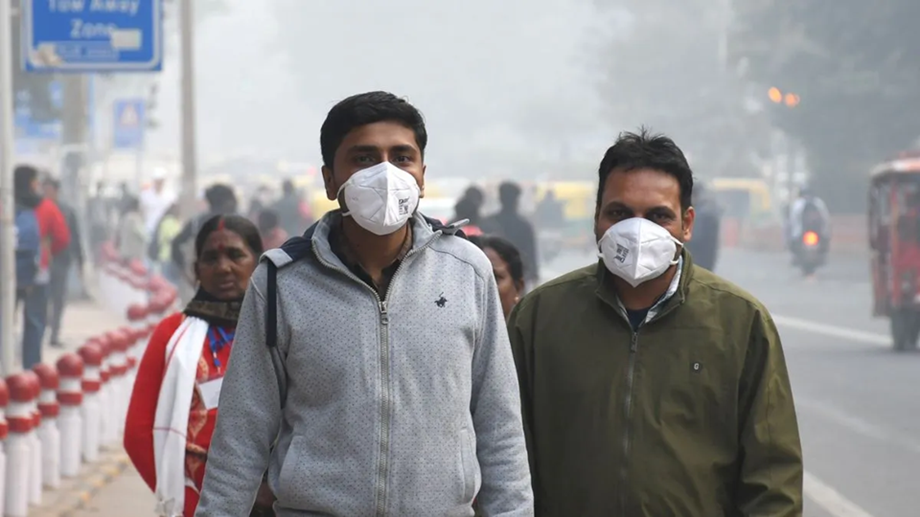
The study identified industrial areas as the most polluted, recording the highest levels of PM2.5 and PM10. Commercial and residential areas followed. In industrial areas, men were exposed to higher levels of pollution than women. Alarmingly, men's exposure levels while walking were found to be 10 to 40 times higher than the National Ambient Air Quality Standards (NAAQS) and WHO guidelines.
Serious Health Consequences
High concentrations of pollutant particles in the lungs increase the risk of asthma, chronic obstructive pulmonary disease (COPD), and other respiratory illnesses. Over time, this can lead to significant health and economic burdens. Overall, the study demonstrates that pollution affects everyone, but the burden is not distributed equally.
PC Social Media