Business
Farmers to receive ₹5,000 each in their accounts before Diwali; Maharashtra government announces relief payment..

Maharashtra Drought Aid: In response to the severe drought conditions caused by a lack of monsoon rainfall, the state government of Maharashtra has taken a significant step. Chief Minister Devendra Fadnavis announced on Wednesday that a drought is being officially declared in 305 talukas across the state, based on 'Trigger 1' and 'Trigger 2' criteria. Furthermore, providing major relief to farmers ahead of Diwali, the government has decided to transfer an advance financial aid of ₹5,000 directly into their bank accounts via Direct Benefit Transfer (DBT).
Following an assessment of deficient rainfall and crop damage across various parts of the state, the government has expanded the scope of drought-affected areas. Chief Minister Devendra Fadnavis stated that relief operations are being accelerated, with affected regions identified based on scientific criteria to address the drought situation.
Drought Declared in 305 Talukas
Initially, a drought had been declared in 265 talukas. Following a detailed assessment based on 'Trigger 1' and 'Trigger 2' parameters, 40 additional talukas have been included. Consequently, a total of 305 talukas in Maharashtra have now been officially declared drought-affected.
₹5,000 Aid to be Transferred Directly to Farmers' Bank Accounts
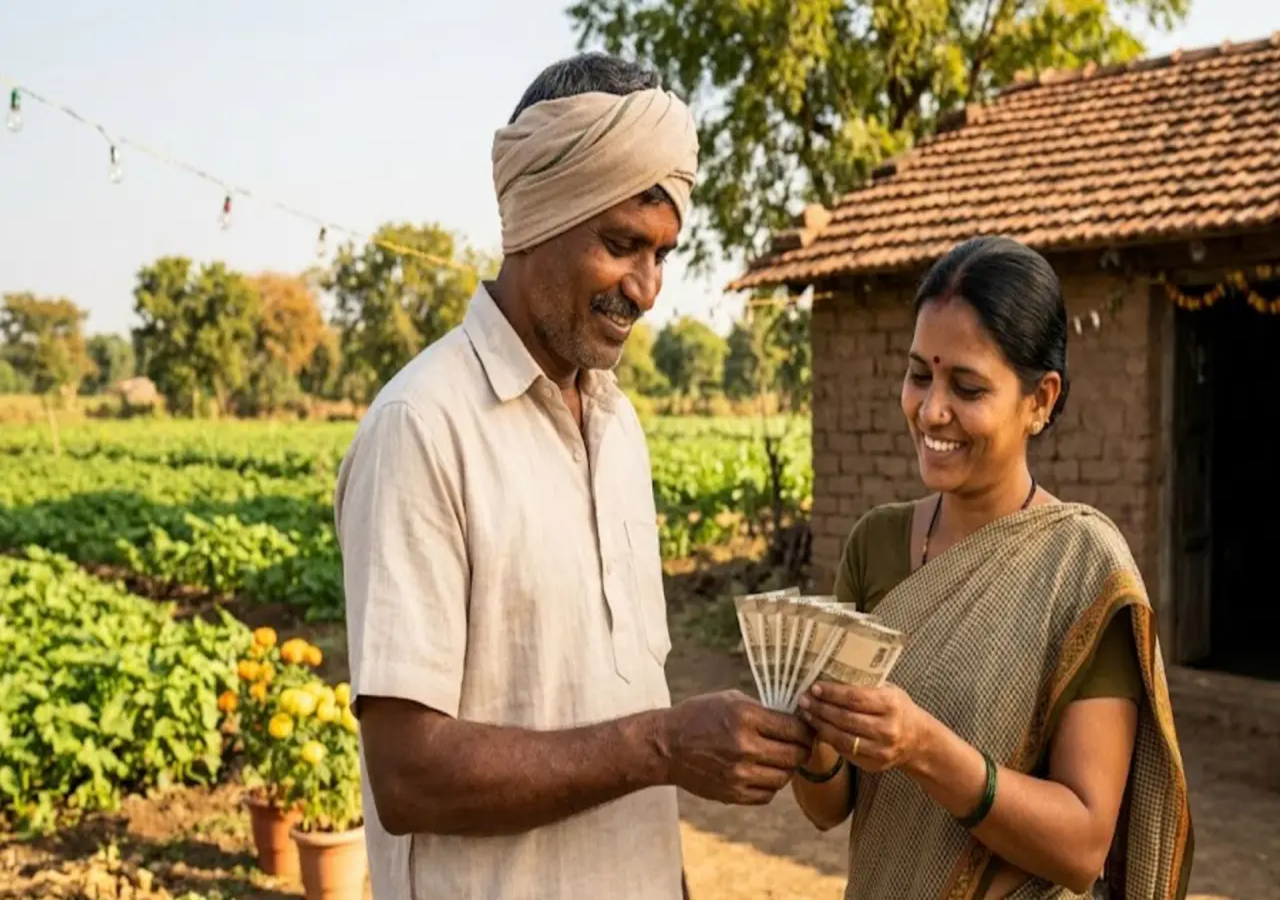
To provide immediate relief to farmers during the festive season, the government has streamlined the financial assistance process to ensure it is both transparent and swift. Under this initiative, an aid amount of ₹5,000 will be deposited directly into the bank accounts of affected farmers via DBT, just before Diwali. The Chief Minister clarified that this ₹5,000 is an interim relief payment; further compensation will be provided to farmers following a comprehensive survey of crop losses.
Additionally, the government has issued directives to increase the number of drinking water tankers in the drought-affected talukas and to establish fodder camps for livestock. In the affected areas, measures such as the waiver of land revenue (tax), restructuring of agricultural loans, and concessions on educational fees will be implemented in accordance with the rules.
PC Social Media