Food & recipe
Diwali 2025: Don't let adulterated mawa spoil your festive spirit! 5 ways to tell if it's real..
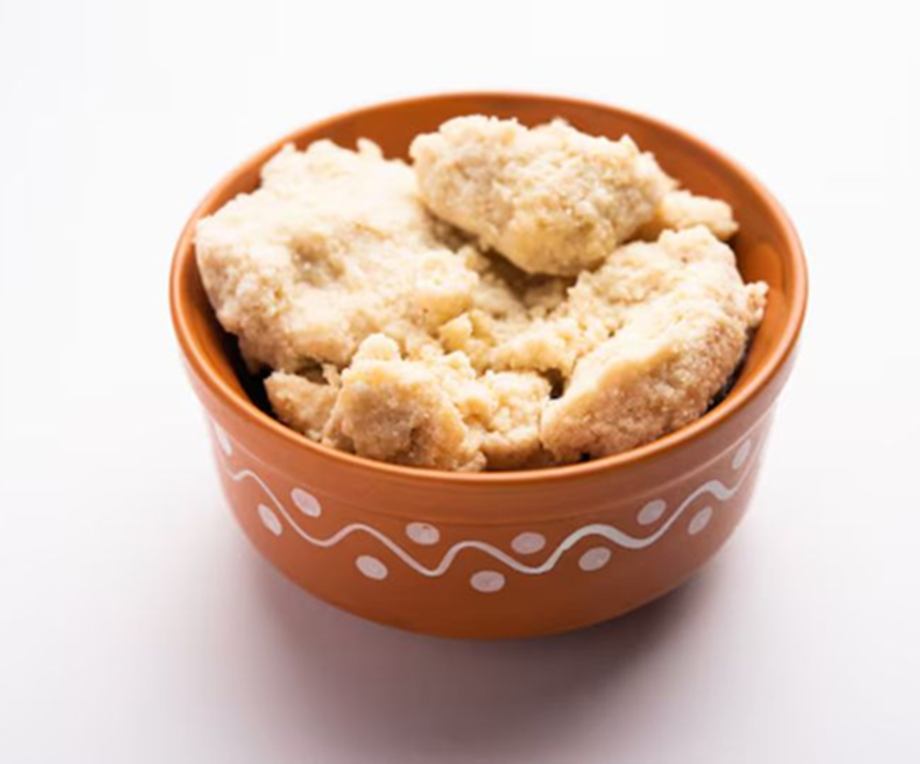
During Diwali, the market is flooded with fake mawa. It's made from adulterated khoya starch, synthetic milk, and harmful chemicals, which not only spoil the taste of your sweets but also compromise your health.
However, you no longer need to rely solely on the market, as you can quickly determine whether your mawa is genuine at home with some simple methods (How to Check the Purity of Mawa). Let's find out.

5 Easy Ways to Identify Real Mawa
Rub it on the Palm
Real mawa: Rub it vigorously on your palm or thumb. If it's pure, a slight greasiness or ghee will be released onto your skin, and it will smell faintly of milk. Its texture is slightly grainy.
Fake mawa: It will feel rubbery, sticky, or stretch when rubbed. It may have no scent or a chemical odor.
Test by dissolving it in water
Real mawa: Place a small piece of mawa in a glass of warm water. Real mawa does not dissolve in water, but instead breaks into pieces and settles at the bottom of the glass.
Fake mawa: If the mawa is fake, containing starch or flour, it will dissolve easily in water and the water may turn a light milky color.
Test by making a ball
Real mawa: Test by making a small ball of mawa. If the mawa is pure, the ball will form easily and will not break.
Fake mawa: When made into a ball made from adulterated or fake mawa, it will break repeatedly or crack.
Test by heating it gently
Real mawa: Heat the mawa lightly over low heat. If it is real, it will start releasing ghee upon heating and will smell like pure ghee.
Fake mawa: If the mawa is fake, it will start releasing water instead of ghee when heated, and it may have a foul or chemical odor.
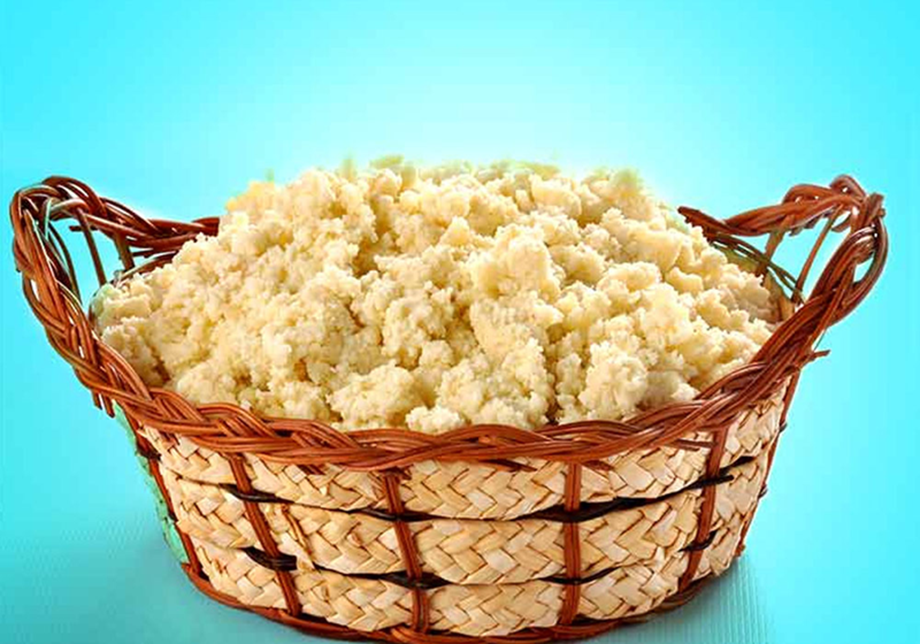
Identify it by tasting it.
Real mawa: Real mawa will dissolve easily in your mouth and you will feel the sweet, natural taste of raw milk.
Fake mawa: Adulterated mawa will stick to your mouth, feel rubbery when chewed, and may taste bland or chemically flavored.
PC Social Media