
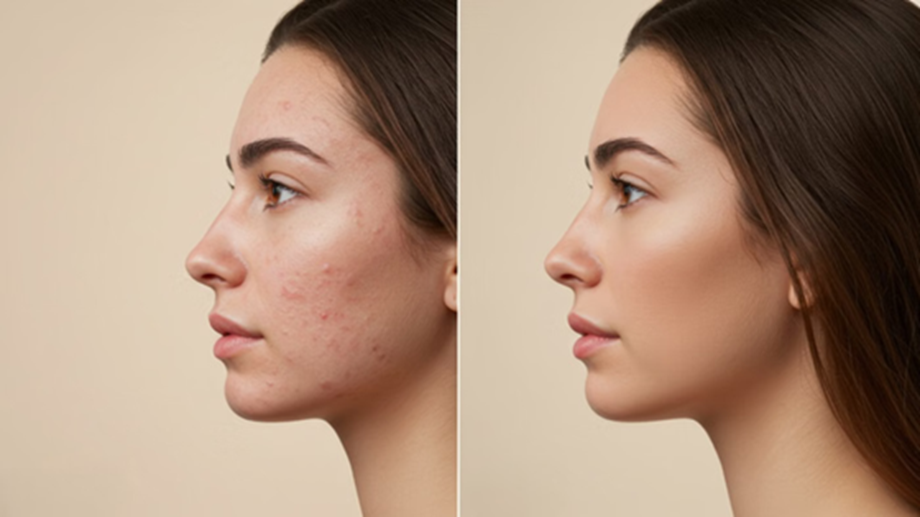
Why Face Looks Dark in Winter: While the winter season brings relief and comfort, it also poses many challenges for our skin. As the cold increases, many people experience darkening, dryness, blemishes, and pigmentation.
The most common problem is darkening of the face, which many people often ignore, thinking it's just tanning. However, you need to understand that if not addressed in time, the skin's natural glow can fade forever.
In this article, we'll explore the causes of darkening of the face during winter, how to prevent it, and what home and medical tips can restore your bright and glowing skin. If your skin also begins to look dull and blackish in winter, this information is extremely important for you.
These are the causes of dark complexion:
1. Dryness and lack of moisture
In winter, the air becomes extremely dry, rapidly eroding the skin's natural moisture. When skin becomes dehydrated, its texture deteriorates, leaving it dull, rough, and dark. Lack of moisture also causes the upper layer of skin to harden and form dark patches.
2. Sunlight is harmful
People often believe that sunlight is harmless in winter, but UV-A rays are just as strong in winter. These rays tan the skin from within, increasing pigmentation and making the complexion appear darker. People also tend to use less sunscreen in winter, which further aggravates the problem.
3. Dead skin accumulation
The skin's cell renewal process slows down during winter. This leads to a buildup of dead skin on the face. This layer makes the skin appear dull, blackish, and lifeless. Without exfoliation, new, glowing skin cannot emerge.
3 Ways to Prevent Darkening
1. Focus on Moisturizer and Hydration
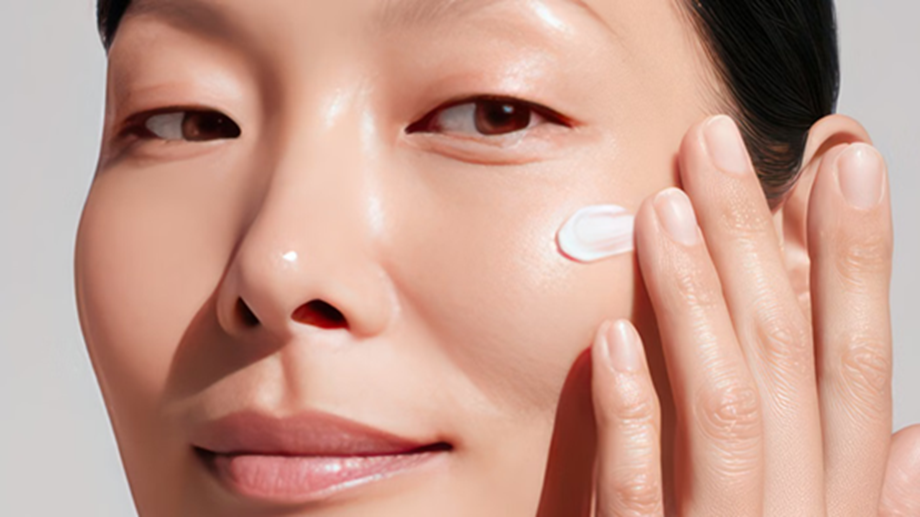
In winter, your skin needs deep moisturization. Apply moisturizers containing hyaluronic acid, shea butter, glycerin, or ceramides 2–3 times a day. This helps maintain skin moisture and prevents darkening caused by dryness. Drinking plenty of water is also essential.
2. Apply Sunscreen Daily
Applying sunscreen daily, even in winter, is crucial. UV rays can damage skin unnoticed and increase tanning. Cover your face with a scarf or hoodie when outdoors. This helps prevent pigmentation.

3. Gentle Exfoliation 1–2 Times a Week
Use a gentle exfoliator or homemade scrub (gram flour, yogurt, and turmeric) twice a week. This removes dead skin and restores your skin's natural glow. Keep in mind that scrubbing too hard can damage your skin.
PC Social Media