LIFESTYLE
Astro: Should you eat non-vegetarian food on the first day of the new year? Find out from an astrologer..

Non-vegetarian food in 2026: The new year 2026 is once again bringing a message of new hopes, new dreams, and new beginnings. On January 1st, people make various resolutions to bring about changes in their lives. Some make decisions about their health, some about their careers, and others resolve to improve their daily routines. In this context, many questions arise in people's minds regarding food on the first day of the year. In particular, the question of whether it is appropriate to eat non-vegetarian food on the first day of the new year comes up repeatedly. In India, religious traditions have been intertwined with every aspect of life. Food and drink are not just associated with taste or satisfying hunger, but also with the mind, thoughts, and energy.

It is believed that the way the first day of the year goes affects the habits and mindset of the entire year. This is why there are different opinions and beliefs regarding eating non-vegetarian food on January 1st. In this gallery, we will understand in simple language how eating non-vegetarian food on the first day of the new year is viewed according to religion, beliefs, and perspectives.
1: Why is the first day of the new year considered special? January 1st is not just considered a day for changing the date. This day is associated with new beginnings, new thoughts, and positive energy. People believe that the start made on this day sets the direction for the entire year.
2: The effect of food is not only on the body, but also on the mind: According to religious beliefs, the effect of food is not limited to the body. The food we eat also influences our nature, thoughts, and behavior. This is why some foods are considered light and others heavy.
3: What do religious beliefs say about non-vegetarian food? In many religious beliefs, non-vegetarian food is considered heavy. It is said that it can disturb the mind. Therefore, it is advised to avoid it during prayers, fasts, or auspicious days.
4: Why is it suggested to avoid non-vegetarian food on January 1st? It is believed that eating simple and light food on the first day of the year keeps the mind calm. This belief leads many people to prefer vegetarian food on January 1st, so that the year begins purely and positively.
5. Is eating non-vegetarian food considered a sin? Religion does not completely condemn eating non-vegetarian food. The difference lies in the time and occasion. Even those who eat meat on normal days consider it better to exercise restraint on the first day of the new year.

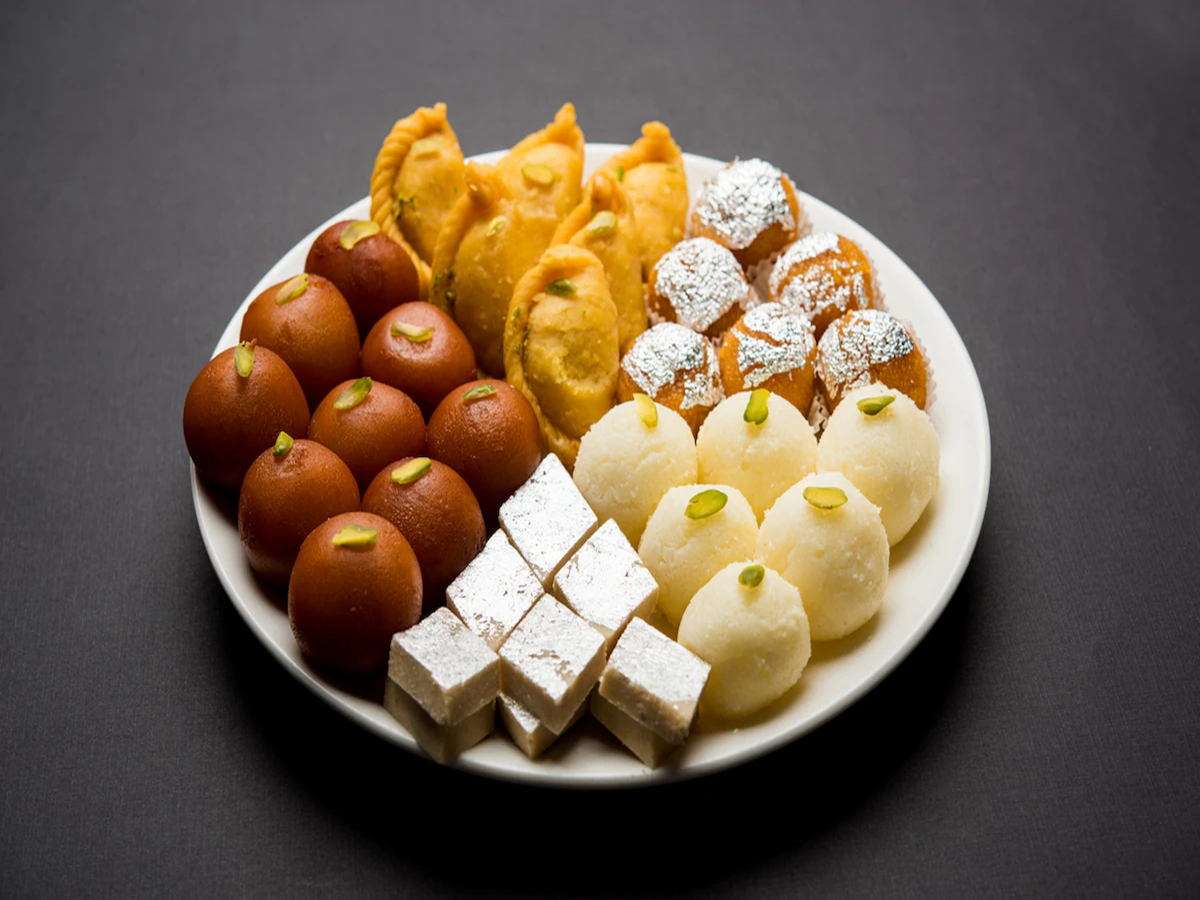
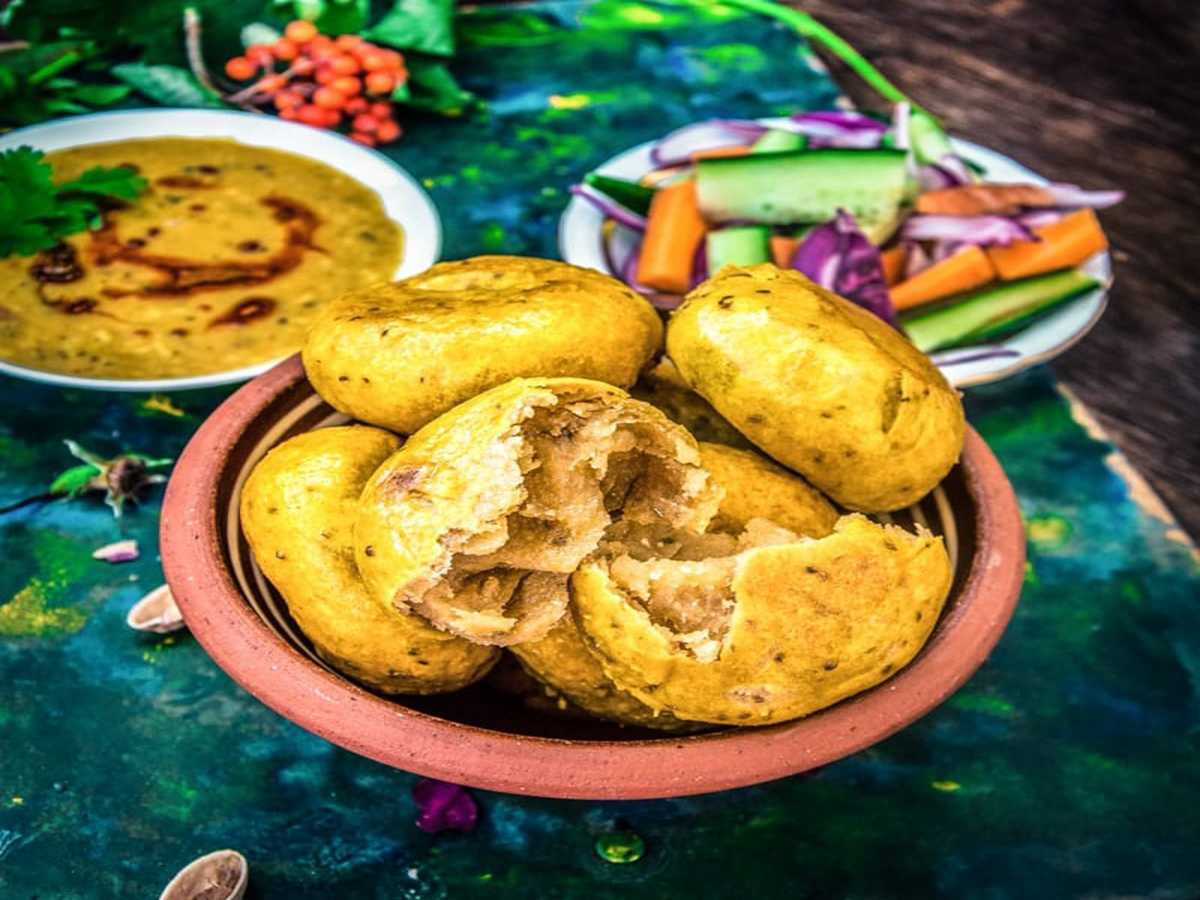
6. What is eaten in many households on the first day? Many families prepare lentils and rice, khichdi, vegetables, fruits, or simple home-cooked meals on January 1st. It is believed that this maintains peace and harmony in the house throughout the year.
7. What is the real message? The real purpose of religious beliefs is not to instill fear, but to inspire the adoption of good habits. Eating light, pure, and simple food on the first day of the new year reflects a positive mindset.
PC Social Media