
LIFESTYLE
You will be surprised to learn about the benefits of eating jaggery in winter, but certain people should exercise caution..

Is Jaggery Safe for Diabetic Patients? With the arrival of the winter season, many changes occur in our dietary habits. During this time, people often consume jaggery (gur) to keep their bodies warm and protect themselves from the cold. It is used in a variety of items—from tea to *laddoos*, *gajak*, and dishes made with sesame seeds.
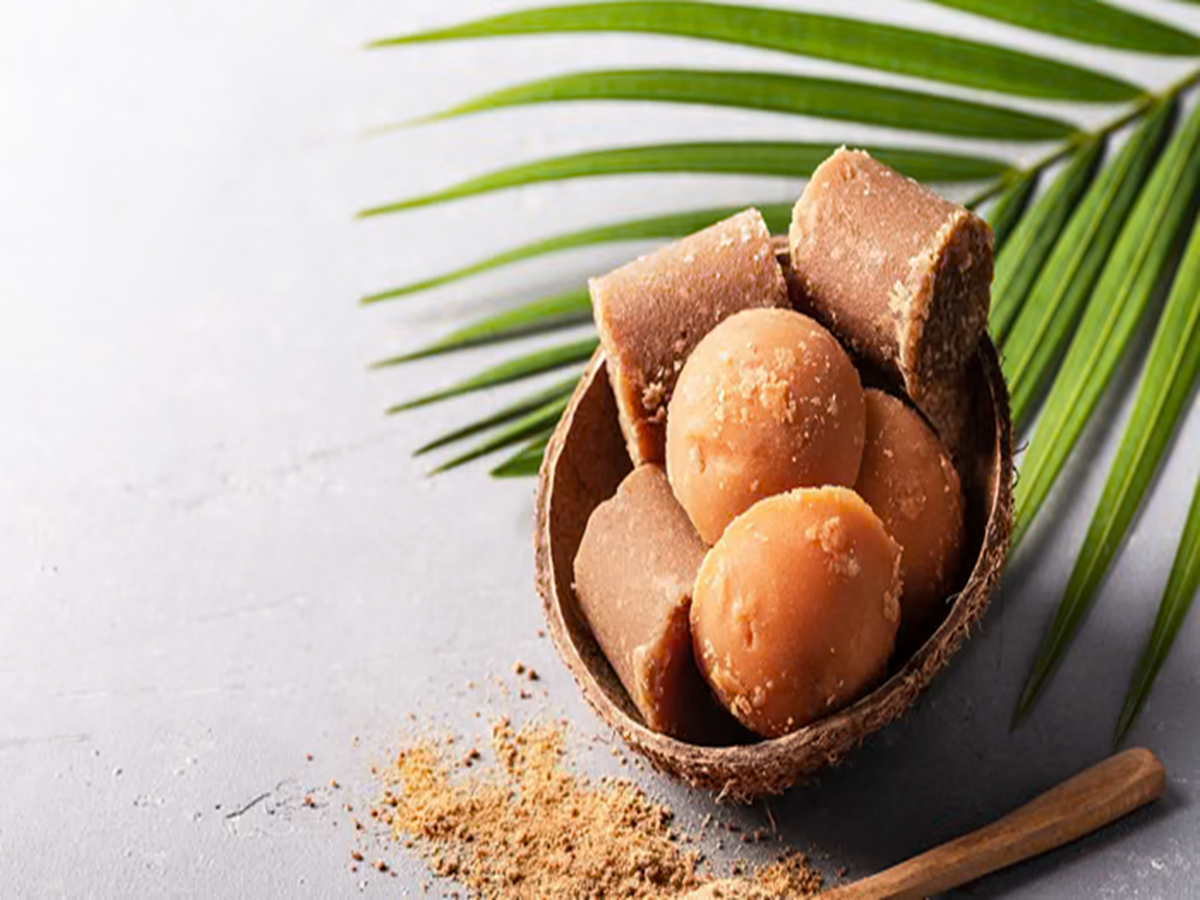
It is believed that the iron and certain minerals present in jaggery are beneficial for health. But is consuming jaggery daily actually good for you? Diabetic patients, in particular, often wonder whether they can use jaggery as a substitute for sugar. Let’s explore the benefits and drawbacks of consuming jaggery in winter, and what diabetic patients should keep in mind regarding its use.
Potential Benefits of Consuming Jaggery in Winter
1. Provides Immediate Energy
Jaggery contains carbohydrates and sugars that supply energy to the body. Consuming it during winter can provide an instant energy boost. However, excessive consumption also leads to an increase in calorie and sugar intake.
2. Offers Some Iron
Jaggery contains a small amount of iron. However, it should not be considered a primary source for addressing iron deficiency; for that, one should seek medical advice and consume iron-rich foods.
3. May Aid Digestion
Many people consume a small piece of jaggery after a meal. However, there is insufficient scientific evidence to support claims that jaggery improves digestion. It should not be viewed as a treatment for digestive issues.
4. Contains Certain Minerals
Jaggery contains small amounts of minerals such as potassium, calcium, and magnesium. That said, relying solely on jaggery to meet the body’s daily mineral requirements is not advisable.
Drawbacks of Excessive Jaggery Consumption
1. Can Raise Blood Sugar Levels
Jaggery contains sucrose and other sugars, which can cause blood glucose levels to rise. Therefore, diabetic patients should exercise particular caution when consuming it.
2. Risk of Weight Gain
Jaggery contains calories. Consuming more jaggery than necessary on a daily basis can increase your total calorie intake. Doing this over a long period may lead to weight gain.
3. Potential Damage to Teeth
The sugar present in jaggery can serve as food for bacteria in the mouth. Frequent consumption of sweet items, combined with inadequate dental hygiene, can increase the risk of developing cavities.
4. Difficulty in Managing Diabetes
If individuals with diabetes start consuming large amounts of jaggery as a substitute for sugar, their blood sugar levels may be adversely affected. Jaggery is not a safe alternative to sugar for people with diabetes.
Can People with Diabetes Eat Jaggery?
This is the most critical question. Many people assume that because jaggery is natural, those with diabetes can consume it without any issues. However, this is not the case. Jaggery also contains a high amount of sugar, which can raise blood glucose levels in the body. Therefore, people with diabetes should not consider jaggery a healthy alternative to sugar. If a patient wishes to consume jaggery, they should consult their doctor or a dietitian, taking into account their specific diet and blood sugar levels.
PC Social Media