
LIFESTYLE
Women's Health: Why does the advice "eat less and exercise more" fail for PCOS? Doctors explain..
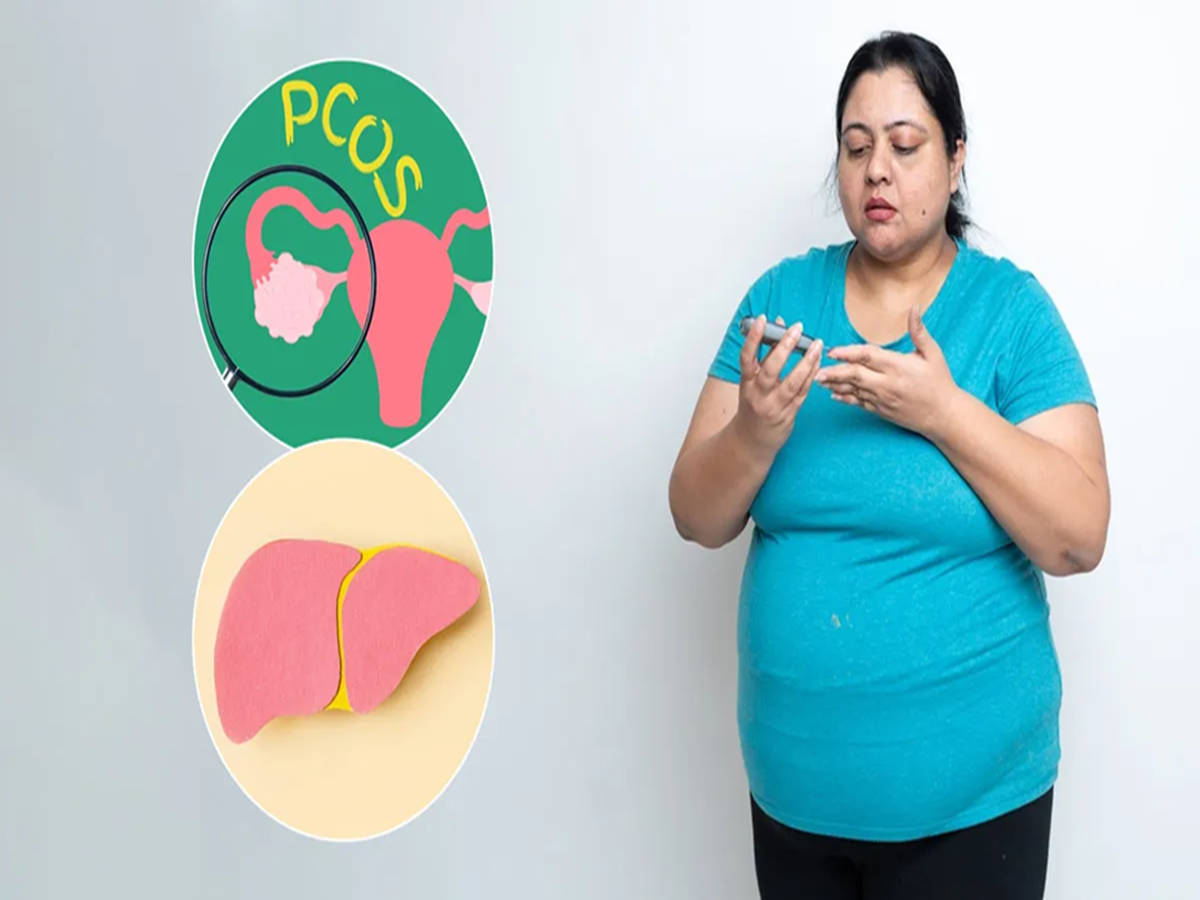
Are you also worried about not losing weight despite a healthy diet and regular exercise? If so, you're not alone. According to Dr. Bhaskar Pal, gynecologist at Apollo Multispecialty Hospital (Kolkata) and president of FOGSI, polycystic ovary syndrome (PCOS) is a very common hormonal problem in women.

Research shows that approximately 40 to 80 percent of women with PCOS struggle with obesity or being overweight, which is a very persistent and obvious symptom of the condition.
Why does weight loss seem like a losing battle?
Unlike normal obesity, the weight gained in PCOS doesn't easily go away with a normal diet and exercise. When women work hard but don't see results, they often blame themselves. They think perhaps their willpower is weak or they lack discipline.
But the truth is, this isn't your personal failure. Hormonal imbalances and insulin resistance in the body play a significant role in fat accumulation and slowing metabolism. Sometimes, some weight is lost initially, but it is quickly regained due to underlying physical problems. This creates a vicious cycle where weight control becomes increasingly difficult.
Impact on Mental and Emotional Health
When your body fails to respond to your efforts, it directly impacts your emotions. The societal pressure to be thin creates feelings of shame and inferiority in women.
Emotional Exhaustion and Stress: The feeling of losing control over their own bodies can be mentally draining for women.
Emotional Eating: Women often resort to food to cope with stress, which later leads to guilt and further food loss. This cycle harms both weight and mental health.
Fear for the Future: Fear of future health problems also dominates. Constantly monitoring your weight, blood sugar, and menstrual cycle can increase anxiety in women.
Social Stigma and Loneliness
Unfortunately, obesity associated with PCOS is often misunderstood in society. Unsolicited advice like "eat less" or "exercise more" is often offered. These advice providers don't understand that the true cause of obesity is hormonal. To avoid such pressures, many women reduce social events, parties, and social interactions, leading to isolation.
The Need to Change the Perspective on Weight
Weight management in PCOS should not be viewed through the lens of guilt or strict diets. Focusing solely on the numbers on the weighing machine can be very discouraging. Instead, a long-term approach is needed, focusing on improving your metabolism and overall health. Positive changes to your personal lifestyle are far more effective than any drastic measures.
PCOS treatment isn't just about being thin.
Attention to mental health is not an option, but a necessity for successful PCOS treatment. When women understand that their weight gain isn't a failure, they are better able to respond to treatment.
Weight management in PCOS isn't a test of willpower, but a shared journey between doctor and patient. The true goal isn't just about being thin, but about relieving fatigue, improving metabolism, managing menstrual problems, and becoming mentally stronger. Only when society and health experts understand this will women receive genuine empathy, understanding, and support, not just advice.
PC Social Media