
Parenting
Without scolding or shouting! This is how the Japanese teach discipline to their children—an approach the world holds up as an example..
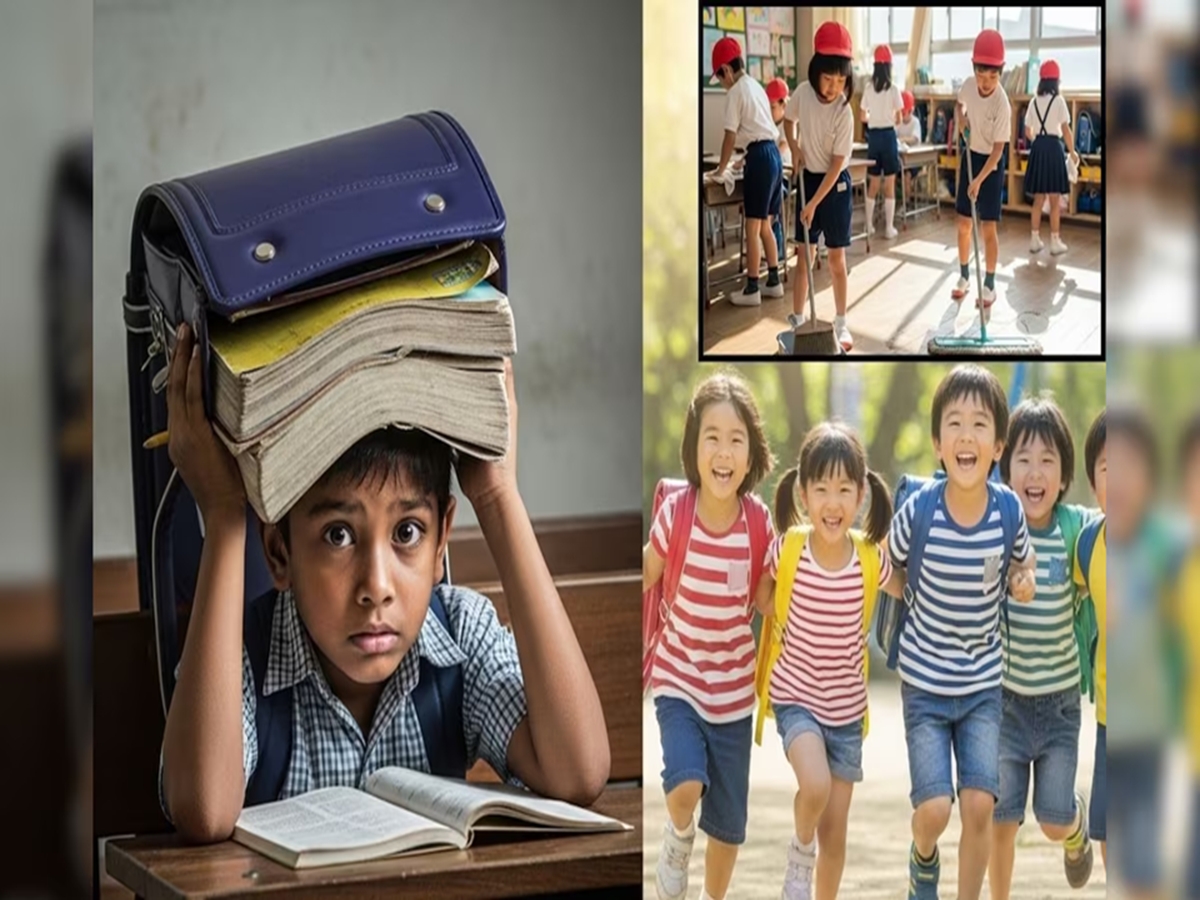
Every parent wants to instill good values in their children, but this is no easy task. It requires parents to understand that raising a child involves more than just basic care; it demands constant effort and, above all, patience. When discussing good values and discipline in children, various parenting styles from around the world are often cited as examples. One such approach is the Japanese method of child-rearing, which we will explore today.
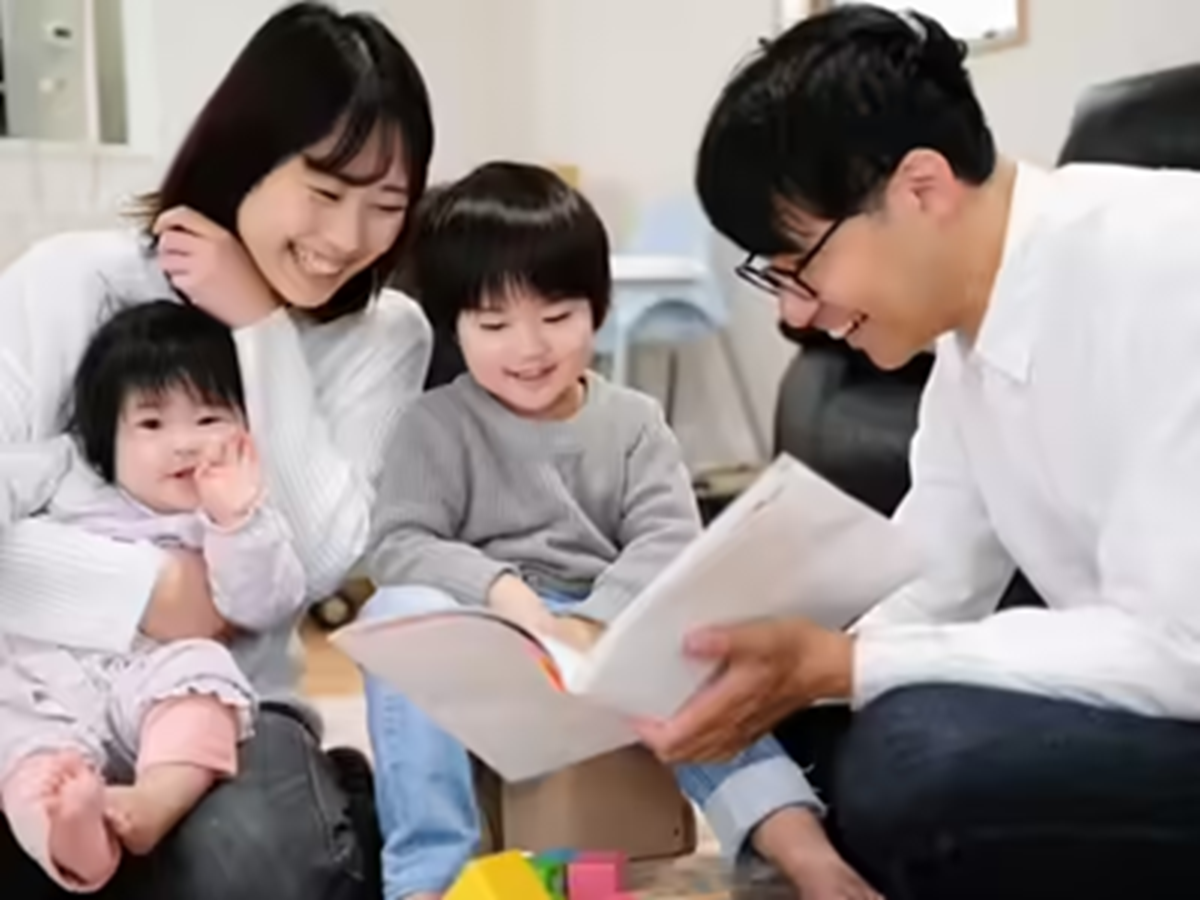
Japanese parenting rules that foster exceptional discipline in children
Japan is advancing rapidly in terms of development, and this progressive mindset extends to their approach to parenting. People in Japan often incorporate mindfulness into their parenting. Five specific rules are consistently followed to teach discipline to children:
Greet others politely
In Japan, children are taught to greet others politely from a very young age, regardless of how small they are. This practice helps instill a sense of respect for others. When children observe everyone around them behaving this way, they naturally learn discipline.
Consider the feelings of others
Japanese culture emphasizes collective awareness—a principle that encourages individual discipline. It places importance on being mindful of others' feelings alongside one's own, fostering a greater awareness of how one's behavior affects those around them.
Remove shoes before entering the house
The practice of removing shoes before entering the home is strictly observed in the Japanese lifestyle. Homes feature a designated entryway known as a *genkan*. Both guests and family members are required to remove their shoes here upon entering. The rationale behind this custom is to maintain the cleanliness of the home and symbolize purity of mind.
Focusing on one thing at a time
To enhance their focus, children are taught to perform a single task at a time rather than multitasking. Doing so not only boosts productivity but also doubles their capacity to listen, observe, and perceive.
PC Social Media