Parenting
Why are children becoming emotionally lonely despite having all comforts? How can parents recognize the warning signs?
Last November, nine-year-old Amayra lost her life in an incident at a prominent school in Jaipur. CCTV footage that surfaced recently reveals that Amayra was being bullied by her classmates.
Facing a lack of support from her class teacher, constant ridicule from peers, and neglect from the teacher, she took the drastic step of ending her life in a state of distress. This incident holds a mirror to the dark reality of the glitzy metropolitan lifestyle, where children enjoy abundant material comforts yet remain emotionally isolated. Where exactly did we go wrong?
**Growing Distance in the Digital World**
When an individual endures a traumatic or severe mental ordeal over a prolonged period, they often slip into depression. During this time, they begin to feel utterly hopeless, helpless, and worthless. A nine-year-old child’s brain is not yet developed enough to manage such complex emotions or to seek help from the right sources.
In this era of hyper-digitalization, children are connected to the world yet remain emotionally miles apart. At an age when they should be learning empathy through human interaction, they are handed screens instead. Communication within homes has become mechanical—"Have you eaten?", "Is your homework done?", "What were your marks?", "Go to sleep," "Wake up." There is no emotional check-in—no one asks, "How was your day at school?" or "What happened when you went out to play?" Children are expected to be self-reliant and strong from a very young age.
When a child expresses mental or emotional vulnerability, their feelings are often dismissed with the clichéd advice to "be strong." Consequently, the child begins to hide their struggles from everyone and feels deeply alone.
**Prioritizing Mental Health**
Today, there is a blind race everywhere to secure high marks and stay ahead of the pack. We need to focus more on a child's behavior and mental health than on their academic grades. Typically, parents or teachers pay attention to a child only when they start getting angry, throwing things, or becoming aggressive; however, we must not let the child reach that point. Meanwhile, introverted children often bottle up their distress and get lost in the crowd of the classroom. We need to focus on the child's holistic development. Ask them questions like, "How do you feel at school?", "Which friend do you like being with?", and most importantly, "Who do you dislike, and why?" Having just one counselor in a school is insufficient, as a single person cannot manage thousands of children. Both teachers and parents need to constantly engage in 'self-work'.
-
Dr. Deepali Batra, Clinical Child Psychologist
Recognize the Red Flags
Decoding children's behavior in the classroom is the most crucial and primary step. In Amayra's case, she appeared visibly distressed in class. Teachers must learn to recognize early 'red flags' (warning signs) in children's behavior. To this end, schools should provide teachers with regular training on 'emotional and personal well-being'.
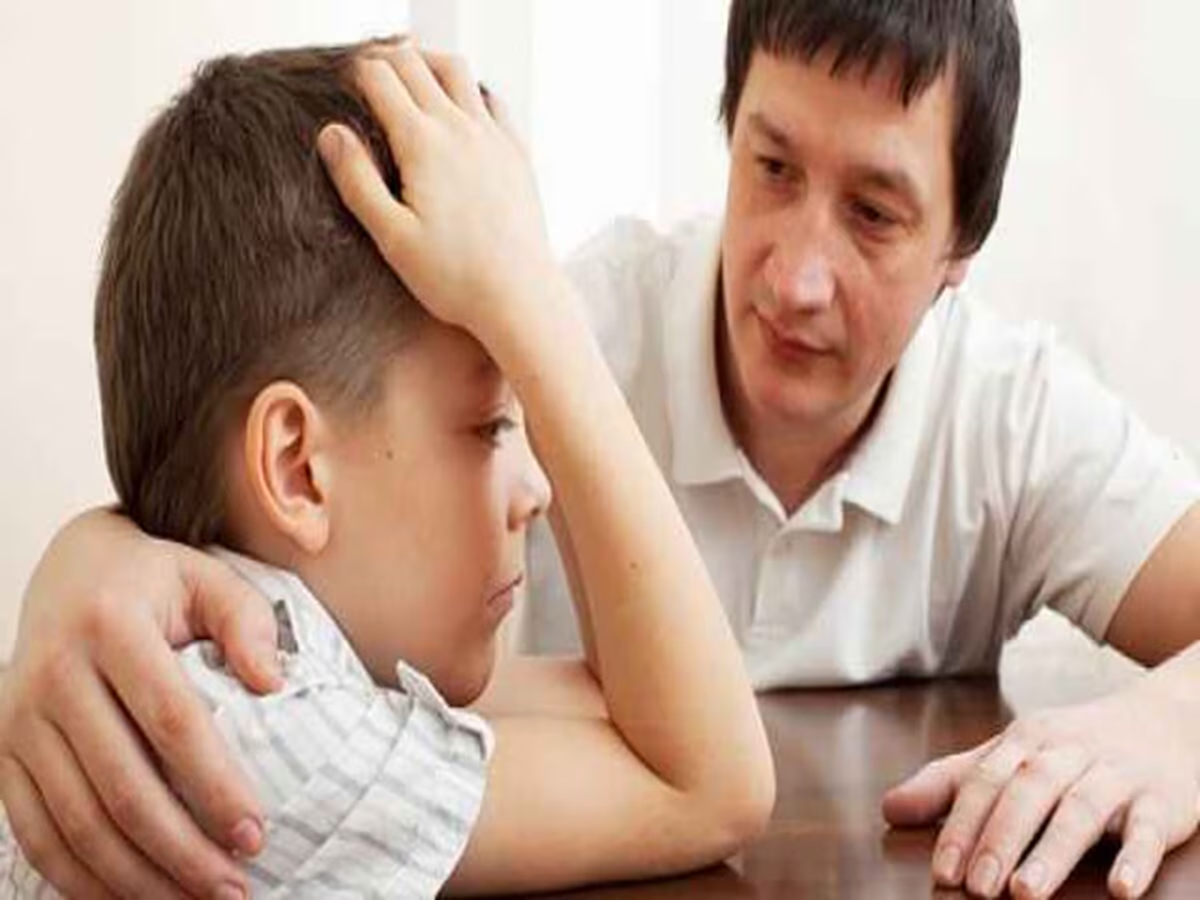
It is not necessary to react immediately to every expression; however, if a child is staring blankly into space, looks terrified or shocked, or appears completely devoid of emotion, the teacher should immediately step in and speak to them. Simple phrases like "Is something bothering you?", "Do you need any help?", or "Would you like to share something?" can help avert an untoward situation.
PC Social Media