LIFESTYLE
Why is *arghya* (offering) made to the setting sun during Chhath Puja? Discover the secret behind it..
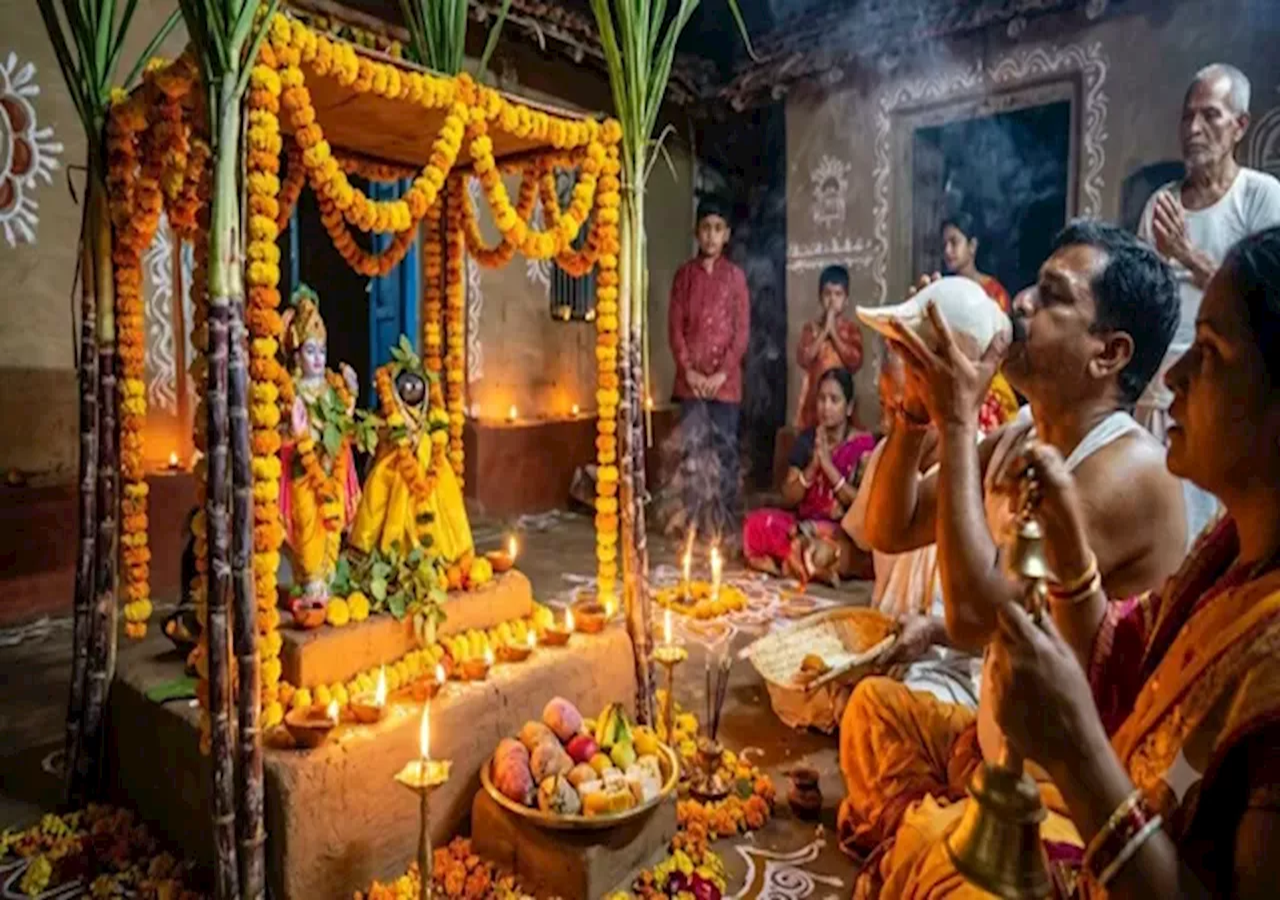
Chhath Puja 2026: Chhath Puja is considered one of the most sacred and rigorous fasts (vratas) in Hinduism, and the festival has commenced with the 'Nahay-Khay' ritual. This festival is dedicated to the Sun God (Lord Surya) and Chhathi Maiya. During this four-day-long grand festival, those observing the fast perform rituals with deep devotion, strict adherence to rules, and complete purity. It is one of the prominent folk festivals in the country, celebrated with great enthusiasm and reverence, particularly in Bihar, Jharkhand, eastern Uttar Pradesh, and parts of Nepal. A unique aspect of Chhath Puja is that on the third day, *arghya* (an offering) is presented not only to the rising sun but also to the setting sun. Let us explore why *arghya* is offered to the setting sun.

In Hinduism, the Sun God is regarded as a *pratyaksha devata*—a deity who is directly visible. While the world generally worships things that are rising or emerging, Chhath is a unique festival in which the setting sun—the *astachalagami*—is worshipped with equal devotion. According to religious beliefs, the Sun is the source of light, warmth, and energy on Earth. The lives of all beings—from plants and trees to humans and other living creatures—depend upon the Sun. This is why the tradition of worshipping the Sun has existed since ancient times. Offering *arghya* to the setting sun during Chhath Puja reflects this sense of gratitude and respect.
Chhath is also known by names such as Surya Shashthi, Pratihar Shashthi, and Dala Chhath. It is observed on the *Shashthi* (sixth day) of the *Shukla Paksha* (bright fortnight) in the month of Kartika. During this period, those observing the fast worship Chhathi Maiya and the Sun God with strict adherence to rituals and profound devotion. On the third day of the festival, *arghya* is offered to the setting sun, and the fast concludes the following morning with an *arghya* offered to the rising sun. In this way, both the setting and rising phases of the Sun are worshipped. According to religious belief, worshipping Chhathi Maiya brings happiness and prosperity to the family and secures her blessings for the well-being of one's children. Chhath Puja is not limited to religious faith alone; it is also a unique way to express gratitude toward nature. In ancient times, human life was dependent on agriculture and nature. Sunlight plays a crucial role in the growth of crops, the changing of seasons, and the maintenance of the water cycle; hence, the tradition of thanking the Sun God (Surya Dev) is intrinsically linked to this festival.
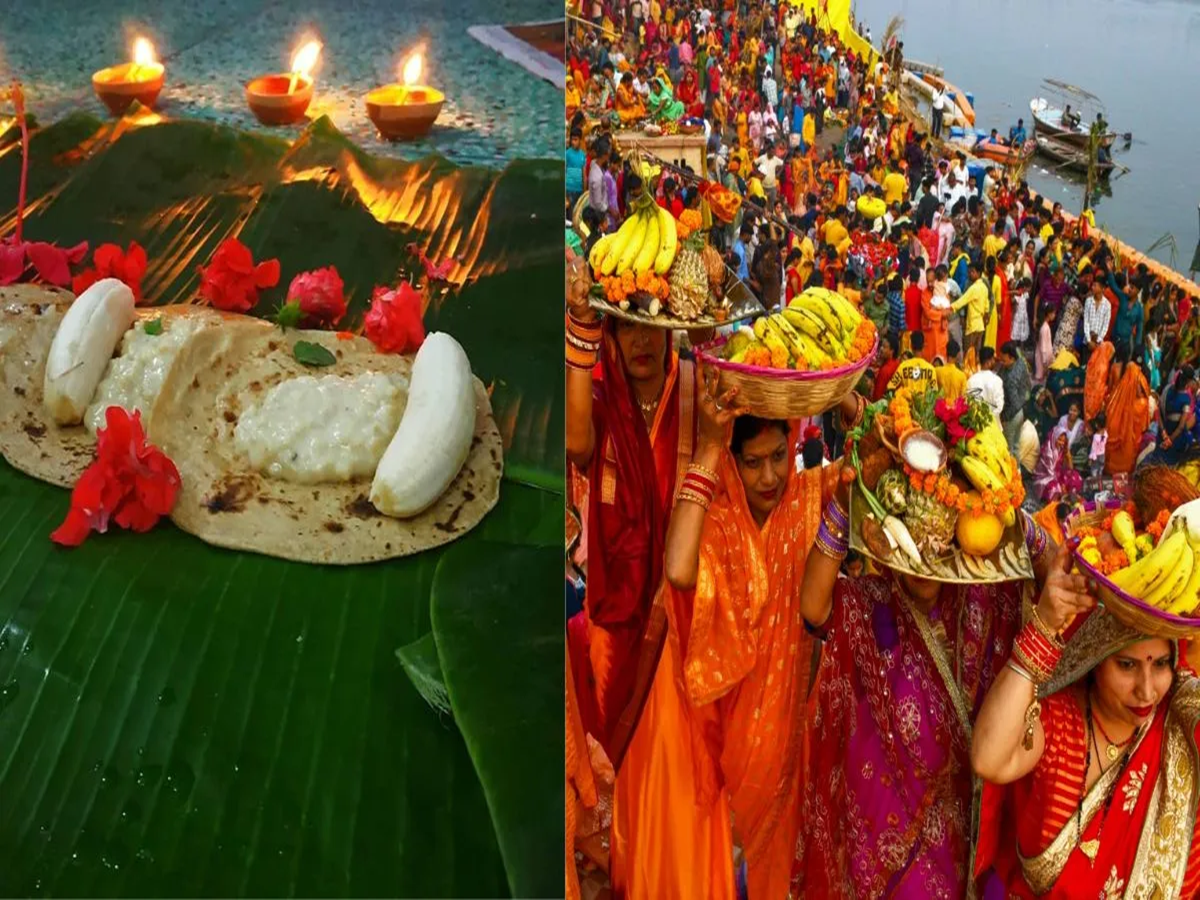
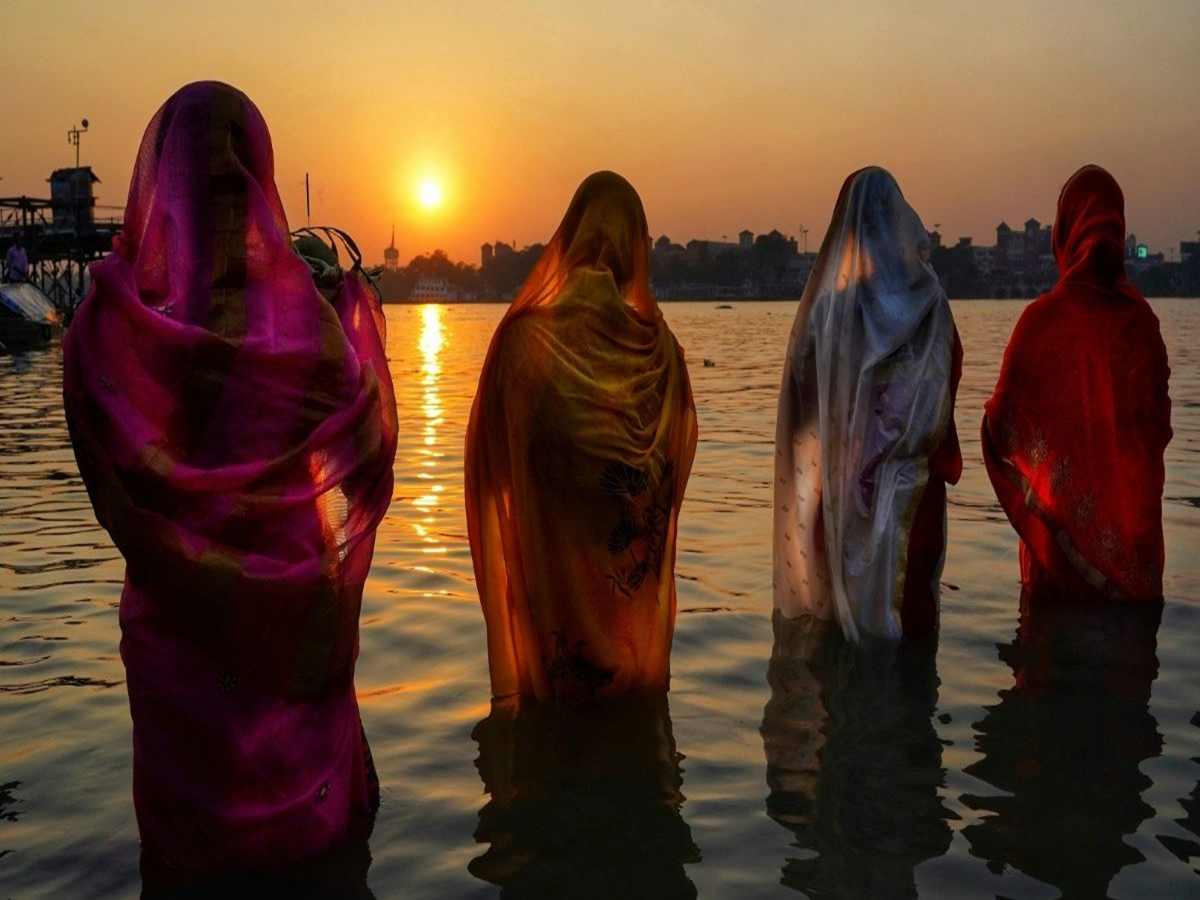
According to mythological beliefs, the Sun God is accompanied by his wife Usha in the morning, while in the evening, he is with his other wife, Pratyusha. Through this festival, gratitude is expressed toward both the Sun God and his two wives. The four-day-long Chhath Puja begins with 'Nahay-Khay,' a day when those observing the fast take a ritual bath and consume a *sattvic* (pure, simple) meal. The second day is known as 'Kharna'; in the evening, an offering (*bhog*) consisting of *kheer* (made with jaggery), *roti*, and fruits is presented to the deity, after which the devotees partake in the *prasad*. This is followed by a rigorous 36-hour fast, observed without even a drop of water (*nirjala vrat*). On the third day, 'Sandhya Arghya' takes place, where devotees visit a river, pond, or *ghat* to offer *arghya* (oblations) to the setting sun. On the final day of Chhath Puja, *arghya* is offered to the rising sun, after which the devotees conclude their fast by performing 'Paran' (breaking the fast).
From the perspectives of science and astrology, the sun's rays during the evening hours are highly beneficial and soothing for the human body. Offering *arghya* while standing in water allows the sun's rays to have a positive impact on the body, which strengthens one's aura (energy field) and brings peace to the mind.
PC Social Media