FASHION
Why do bumps appear in the intimate area after shaving? What can be done for immediate relief?
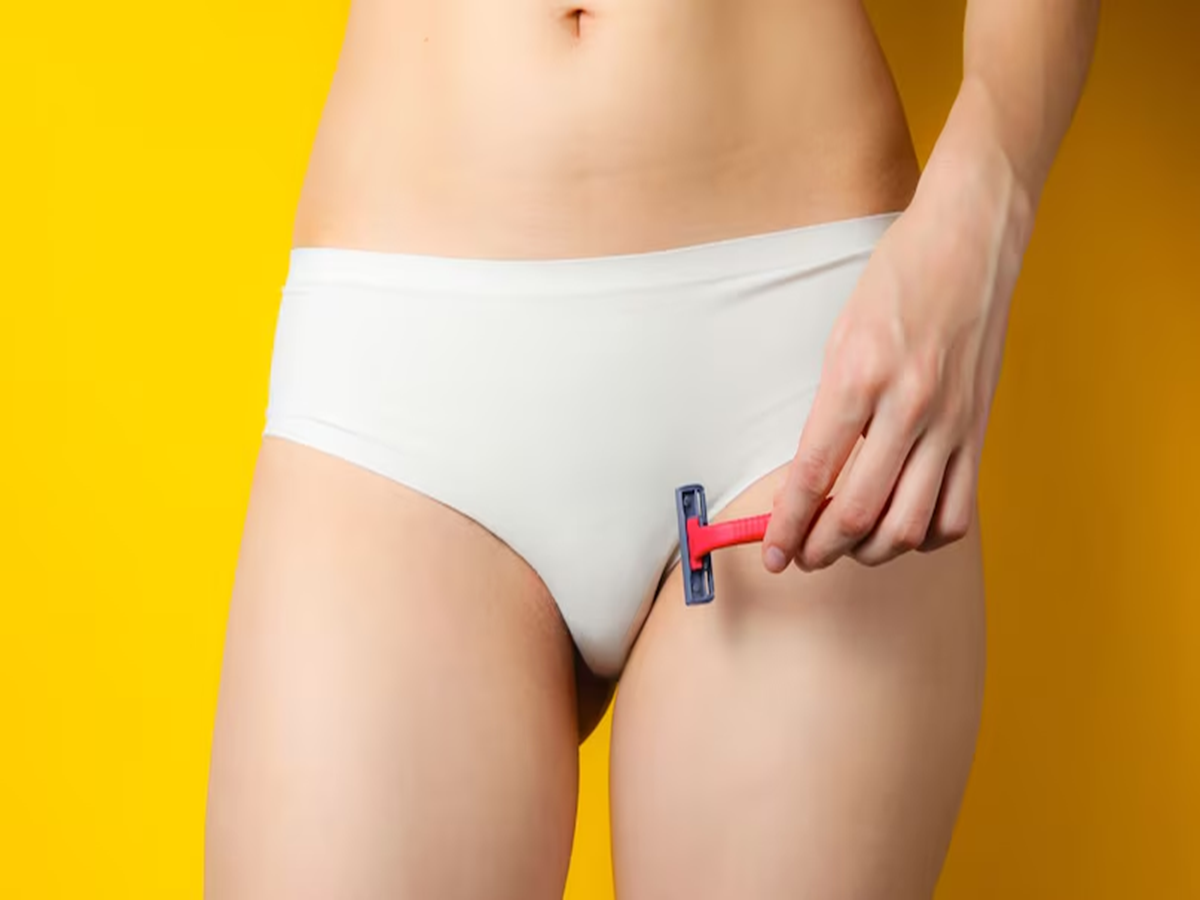
Preventing Bumps After Shaving Sensitive Skin: While the skin in the genital area may appear smooth immediately after hair removal, small red bumps often emerge shortly thereafter. This can be accompanied by itching, a burning sensation, or a stinging feeling. At times, these bumps become so bothersome that they cause discomfort while walking or wearing clothing. If you experience this, it may be due to an improper shaving technique or ingrown hairs. According to Healthline, razor burn and ingrown hairs are common causes of bumps following shaving. Let’s explore why this happens and how you can find relief.
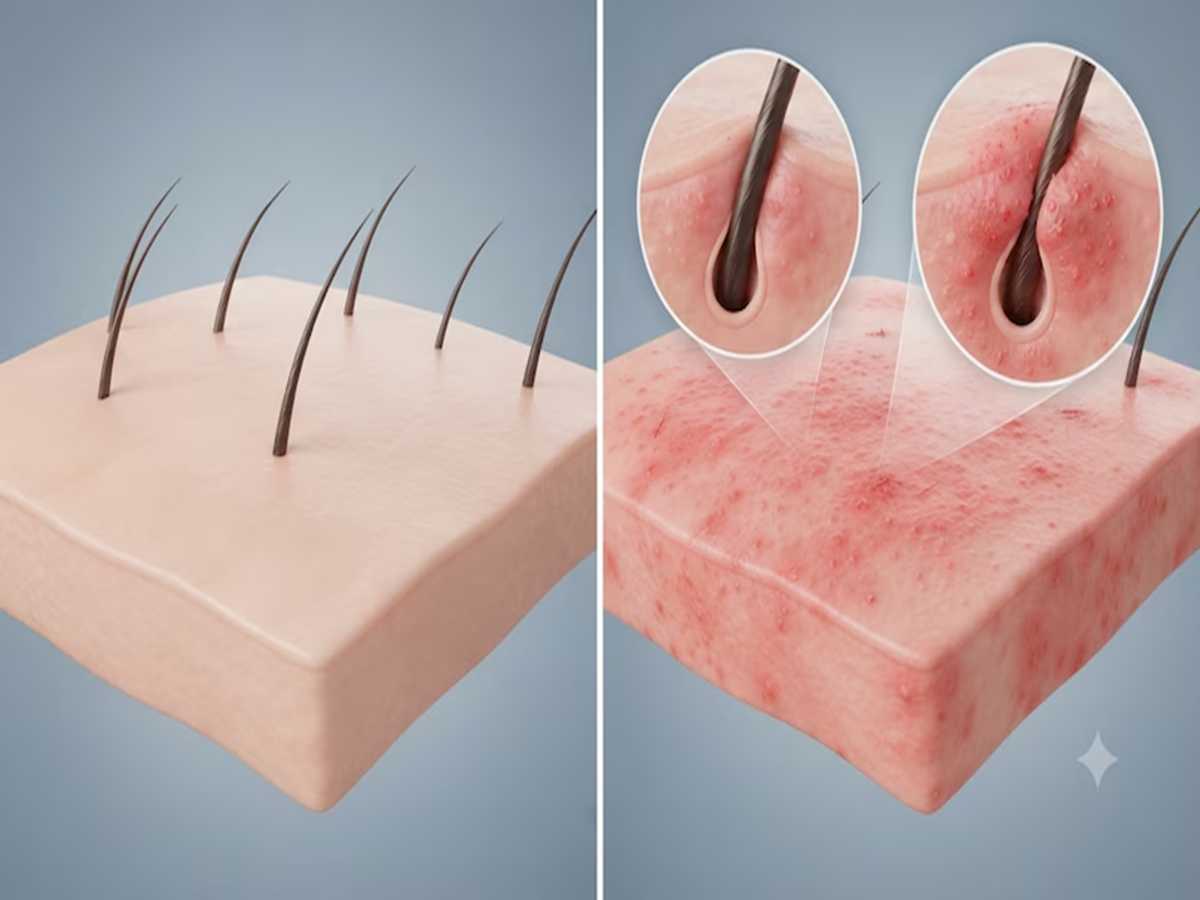
Ingrown Hairs: Sometimes, after shaving, hair does not grow straight out; instead, it curls back and grows into the skin—a condition known as an "ingrown hair." This can lead to the formation of small red bumps on the skin, which may also be itchy, swollen, or painful. Dermatologist Dr. Cynthia Abbott, as cited by Healthline, explains that when curly hairs curl back into the skin, they can cause inflamed bumps.
Razor Burn: In other cases, the skin may turn red immediately after shaving, with small bumps appearing—a condition referred to as "razor burn." This can occur if you shave without using a shaving gel or cream, use a dull or old blade, or repeatedly pass the razor over the same area. Since the skin in the genital area is highly sensitive, it is more prone to irritation, burning, and itching.
Avoid Shaving for a Few Days: If bumps have appeared, give your skin time to heal. Repeatedly using a razor can exacerbate irritation and inflammation. According to Healthline, you should avoid shaving the affected area until any bumps or sores have healed. Razor bumps can take anywhere from a few days to 2–3 weeks to clear up.
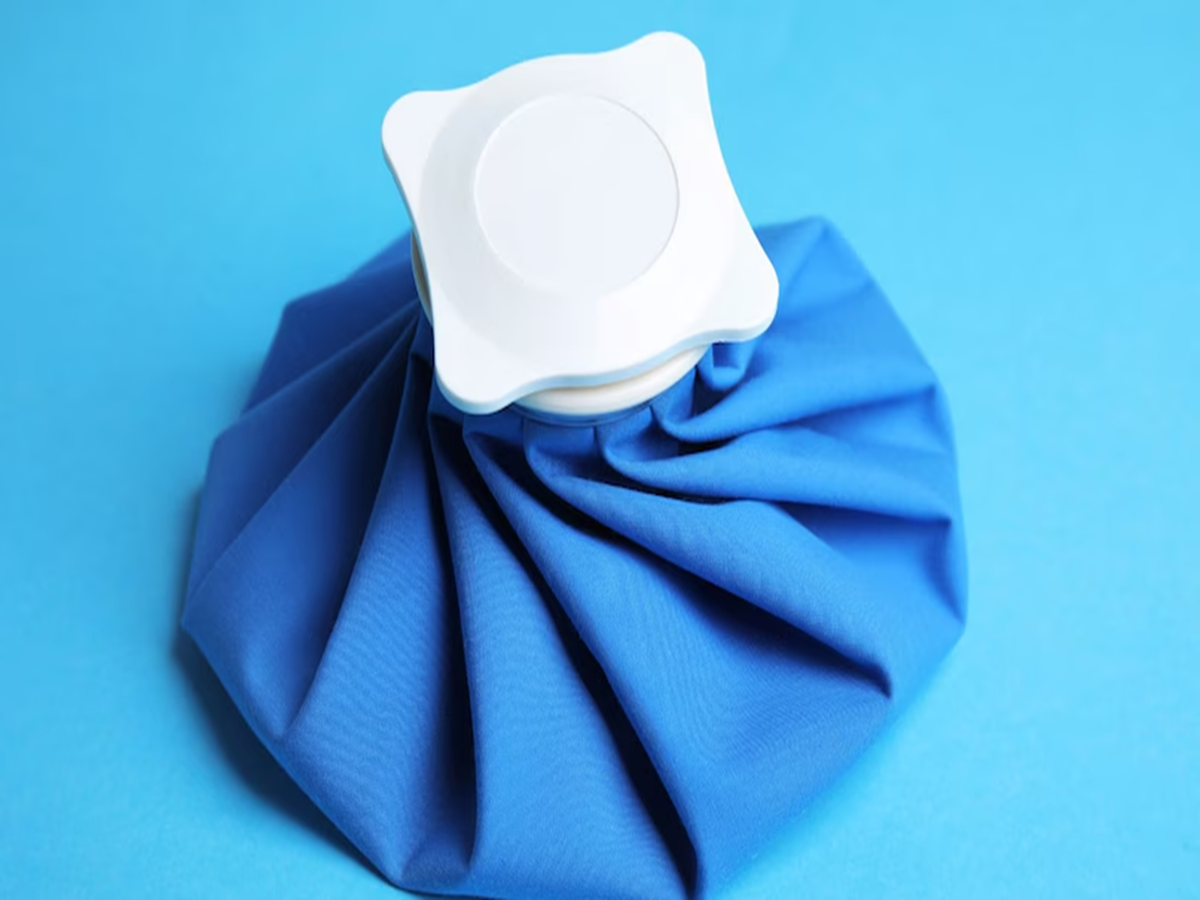
Cold compresses can provide relief: If you experience burning, itching, or a feeling of heat on your skin after shaving, soak a clean cloth in cold water and apply it to the affected area for a while. This can help soothe the skin. Afterward, gently pat the skin dry with a soft towel—avoid rubbing it. A cold compress can help reduce the irritation and itching caused by razor burn.
Avoid wearing tight clothing: After shaving, your skin becomes more sensitive. Wearing tight underwear or synthetic fabrics can increase friction, making the bumps more bothersome. For a few days, opt for loose, comfortable cotton underwear. Keep the affected area clean and dry, and avoid wearing sweaty or damp clothing for extended periods.
Do not squeeze or scratch the bumps: It can be tempting to pop the bumps or try to extract trapped hairs, but doing so can damage the skin and increase the risk of infection. Never use your fingernails, tweezers, or needles—especially on the sensitive skin of the genital area. Also, avoid using harsh scrubs, scented soaps, or hair removal creams for the time being.
Tips for your next shave: Before removing hair, soften your skin and hair using lukewarm water. Use a clean, new razor. Apply a shaving gel or an unscented cream, and gently move the razor in the direction of hair growth. Avoid going over the same spot repeatedly. After shaving, rinse the skin with water and pat it dry gently. If you experience recurring bumps, consider trimming your hair instead of shaving it completely.
When should you see a doctor? If the bumps begin to fill with pus, cause severe pain or swelling, if the redness spreads, or if you develop a fever, do not dismiss it as routine shaving irritation. In some cases, this could be folliculitis—an inflammation or infection of the hair follicles.
If the bumps do not heal, keep recurring, or appear even when you haven't shaved, consult a dermatologist. It is not accurate to assume that every bump is simply 'razor burn.'
PC Social Media