

With the onset of winter, pollution levels in the air begin to rise. The haze—laden with pollutants—that appears during the morning and evening hours is causing health issues for many. The impact is most commonly seen in the form of respiratory problems, eye irritation, and a sore throat. Consequently, people are using masks and installing air purifiers in their homes to protect themselves. But did you know that certain items already present in your kitchen can also help your body combat the adverse effects of pollution? Indeed, experts suggest that paying special attention to your diet during this season is crucial. By incorporating foods rich in antioxidants and omega-3 fatty acids, you can provide your body with the essential nutrition it needs.

Dr. Rajita, a homeopath at the Civil Hospital in Ambala City, told 'Local 18' that given the rising pollution levels, people need to be extra vigilant about their health. Tiny particles present in the polluted air can enter the body through inhalation, which can affect the lungs and lead to increased oxidative stress and inflammation. In such a situation, relying solely on external protective measures is not enough; it is equally important to consume a balanced and nutritious diet to keep the body healthy from within.
Consume antioxidant-rich foods to counter the effects of pollution.
According to Dr. Rajita, one should include foods rich in antioxidants in their daily diet during this period of high pollution. Antioxidants help protect the body against damage caused by free radicals. To this end, one can consume fruits such as amla (Indian gooseberry), guava, oranges, lemons, and strawberries. These contain Vitamin C and other essential nutrients that help maintain the body's natural immune system.
Include carrots, tomatoes, and turmeric in your diet.
Vegetables such as carrots, tomatoes, broccoli, cabbage, radishes, turnips, and garlic are also beneficial. Turmeric contains curcumin, which possesses anti-inflammatory properties; therefore, it can be incorporated into your regular diet. Additionally, green tea is a good source of antioxidants and can serve as an alternative to excessive consumption of tea or coffee.
Get Omega-3 fatty acids from walnuts and flaxseeds.
Dr. Rajita notes that Omega-3 fatty acids are essential for maintaining a healthy body. They possess properties that help control inflammation and support heart health. To obtain these, one can include walnuts, flaxseeds, chia seeds, and soybeans in their diet. Flaxseeds and chia seeds can be added to salads, smoothies, or other food items. Those who consume non-vegetarian food can also obtain Omega-3 fatty acids from fish such as salmon, mackerel, and sardines.
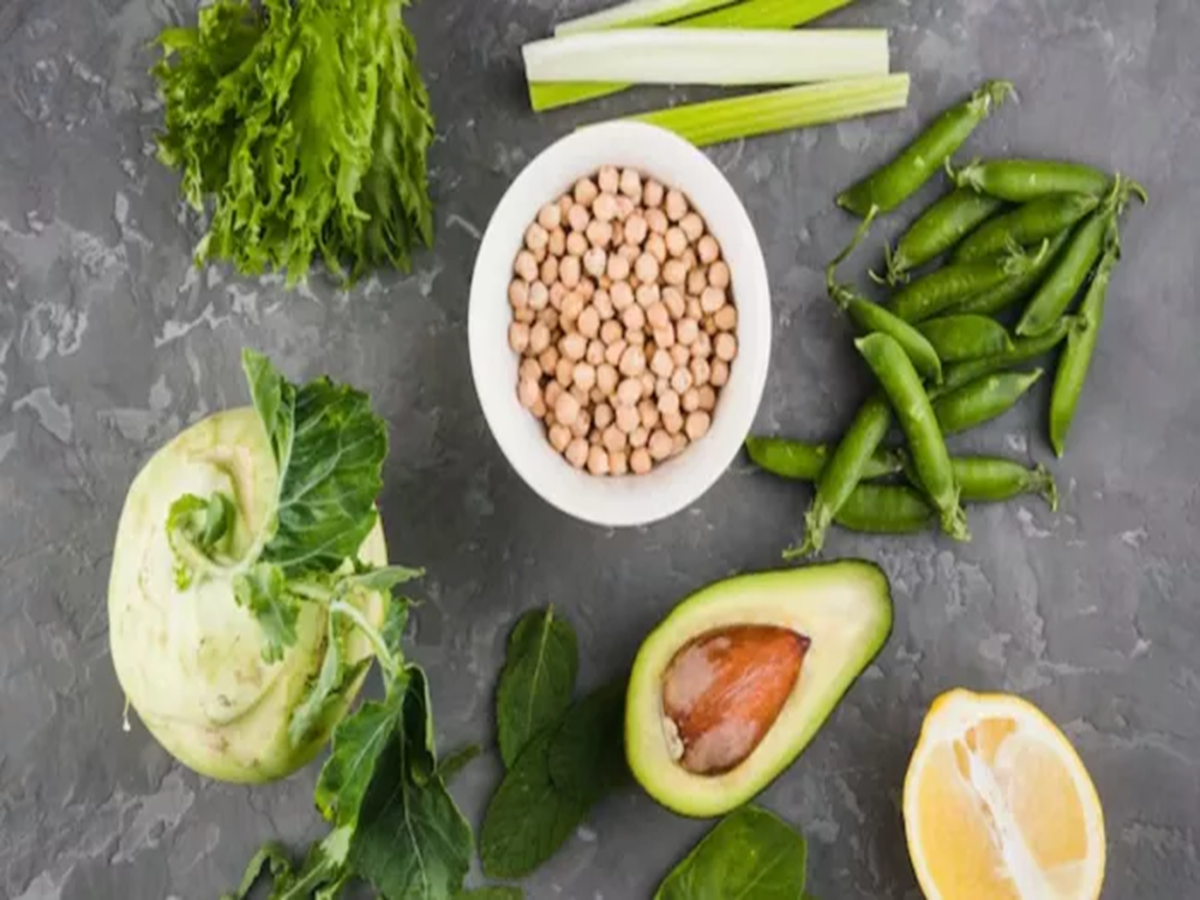
Beyond diet: Take these precautions to protect against pollution
It is not sufficient to rely solely on diet for protection against pollution. When pollution levels are high, people should avoid unnecessary trips outside. When stepping out, one should wear a well-fitted N95 mask. To maintain good indoor air quality, ensure proper ventilation and, if necessary, use an air purifier. Furthermore, it is important to stay well-hydrated, get adequate sleep, and maintain a balanced diet. According to experts, while no single food item can provide complete protection against pollution, adopting a healthy diet and taking appropriate precautions can certainly help keep the body healthy.
PC Social Media