Food & recipe
What is the difference between puri, paratha, and roti dough? Avoid these mistakes when preparing the dough..
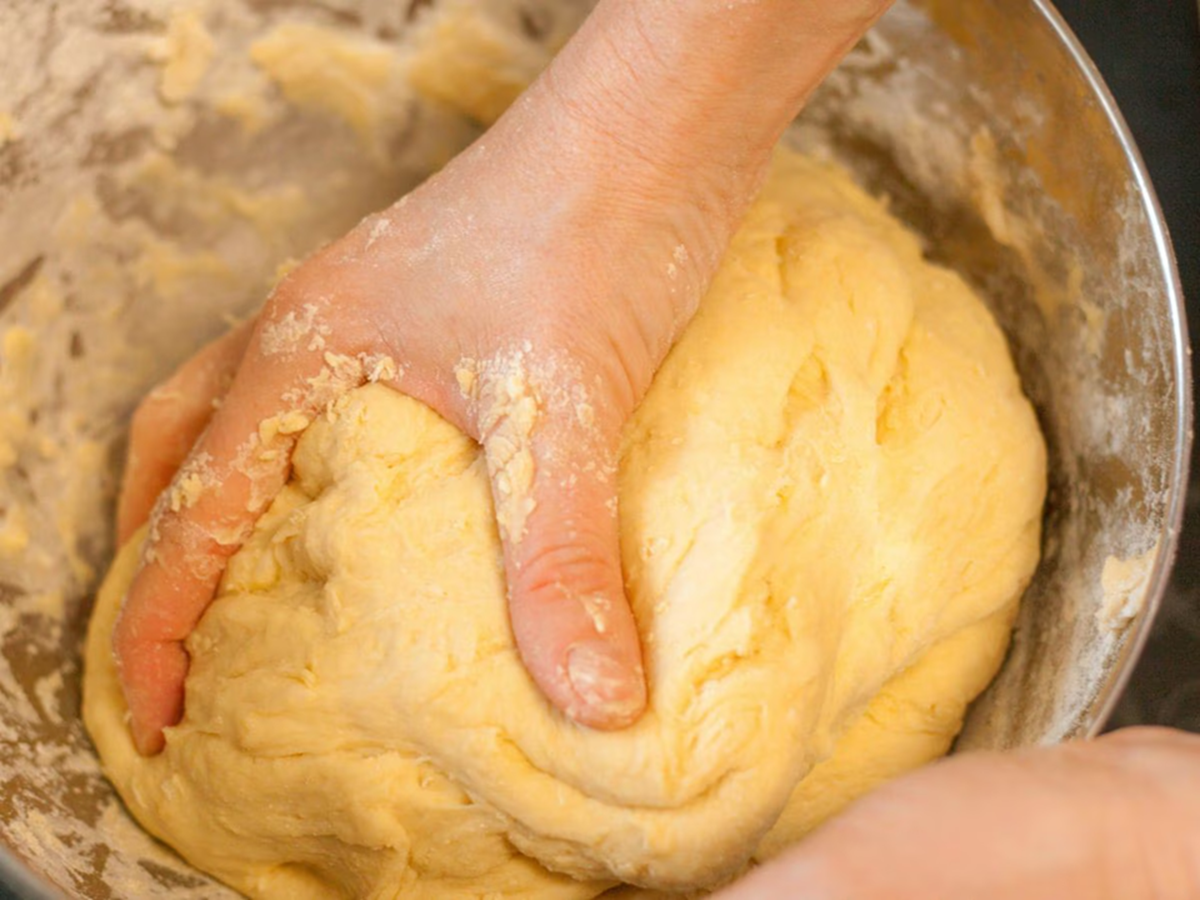
Roti, Paratha, and Puri Dough Differences: Have you ever wondered why the *rotis* you make at home never quite match those served at a *dhaba* (roadside eatery), or what the secret is behind the perfectly puffed-up *puris* made by professional confectioners (*halwais*)? We often make the mistake of using the same kneading technique for all three—a common error that undermines the final result.
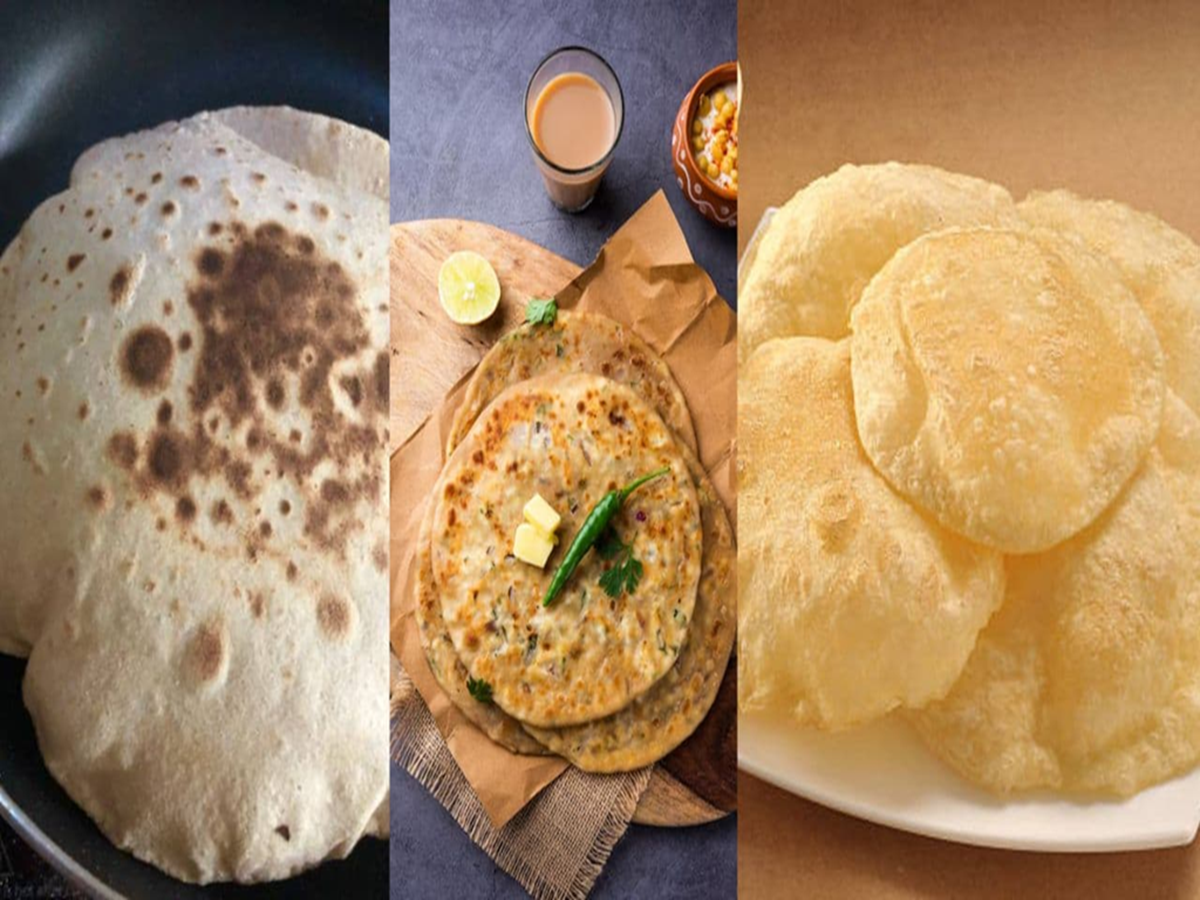
The texture and flavor of *roti*, *paratha*, and *puri* depend entirely on the specific 'texture' of their respective doughs. It is the dough's pliability and firmness that determine whether the *roti* turns out soft, the *paratha* flaky, or the *puri* crispy. So, let's explore the correct kneading techniques for each of these three distinct preparations.
What is the Difference Between Roti, Paratha, and Puri Dough? (Roti vs. Paratha vs. Puri Dough)
1. Roti Dough: Soft, Pliable, and Simple
The defining characteristic of *roti* dough is its softness. Keep the following points in mind when preparing it:
Texture: *Roti* dough should always be kneaded to a soft and pliable consistency. It should be neither too stiff nor so sticky that it clings to your hands.
Ingredients: Typically, only flour and water are used to prepare this dough (though a pinch of salt may be added to taste).
Pro Tip: After kneading, be sure to let the dough rest for 15–20 minutes. This allows the dough to develop elasticity, ensuring that the *rotis* not only puff up beautifully but also remain soft for an extended period.
2. Paratha Dough: Medium-Firm and 'Rich.'
*Paratha* dough is kept slightly firmer than *roti* dough so that it can withstand the application of *ghee* (clarified butter) and the heat of cooking:
Texture: It is kneaded to a slightly tighter consistency to ensure that distinct layers are visible when rolling it out.
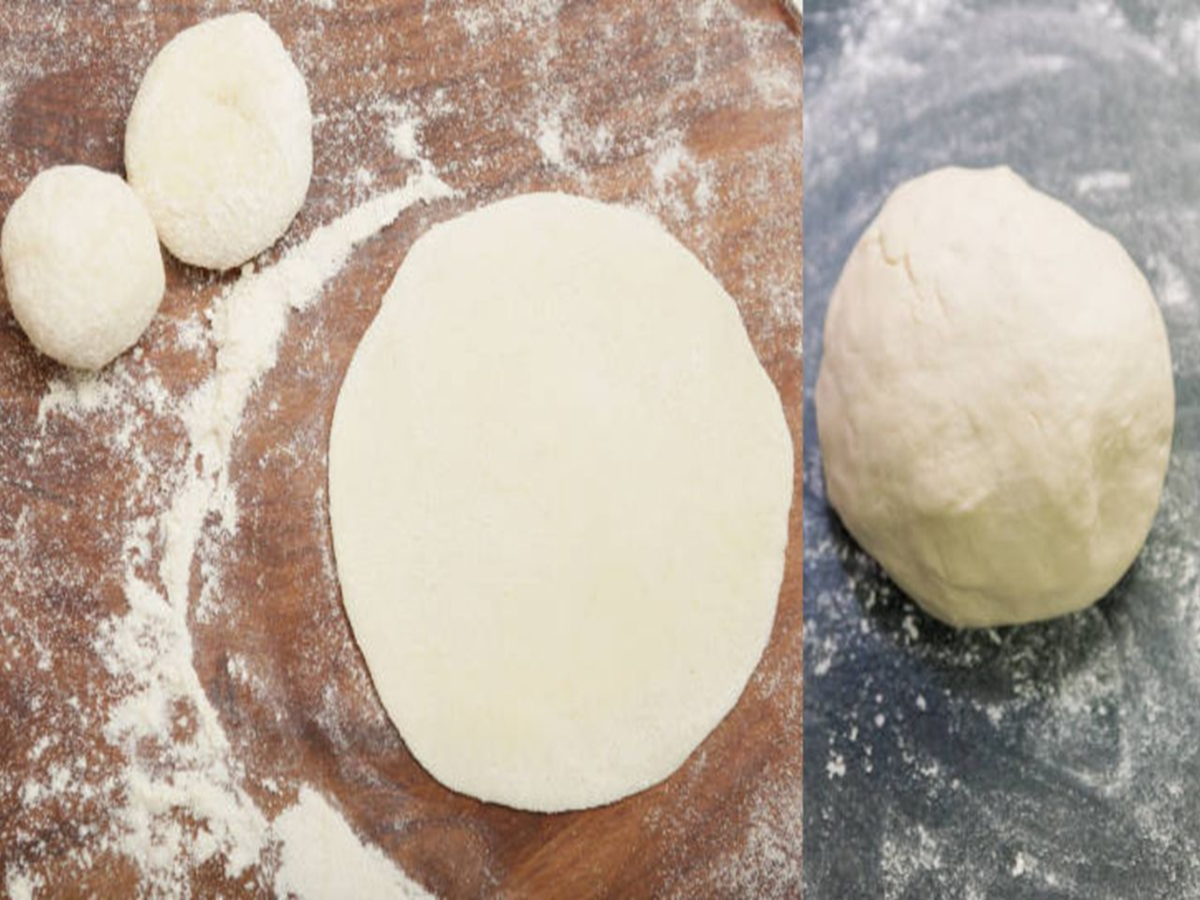
The Secret to Stuffing: If you are preparing stuffed *parathas*—such as those filled with potatoes (*aloo*) or cauliflower (*gobhi*)—keep the dough slightly firm. This prevents the filling from oozing out while rolling, ensuring the *paratha* remains intact and does not tear. Ingredients: To make the paratha delicious and crispy, *moyan* (oil or ghee) or a little yogurt is added to the flour. This ensures that the parathas cook thoroughly on the griddle and turn out flaky.