
LIFESTYLE
Warning Bell! Be Alert If You Notice These Changes in Your Body—It Could Be Pre-diabetes..
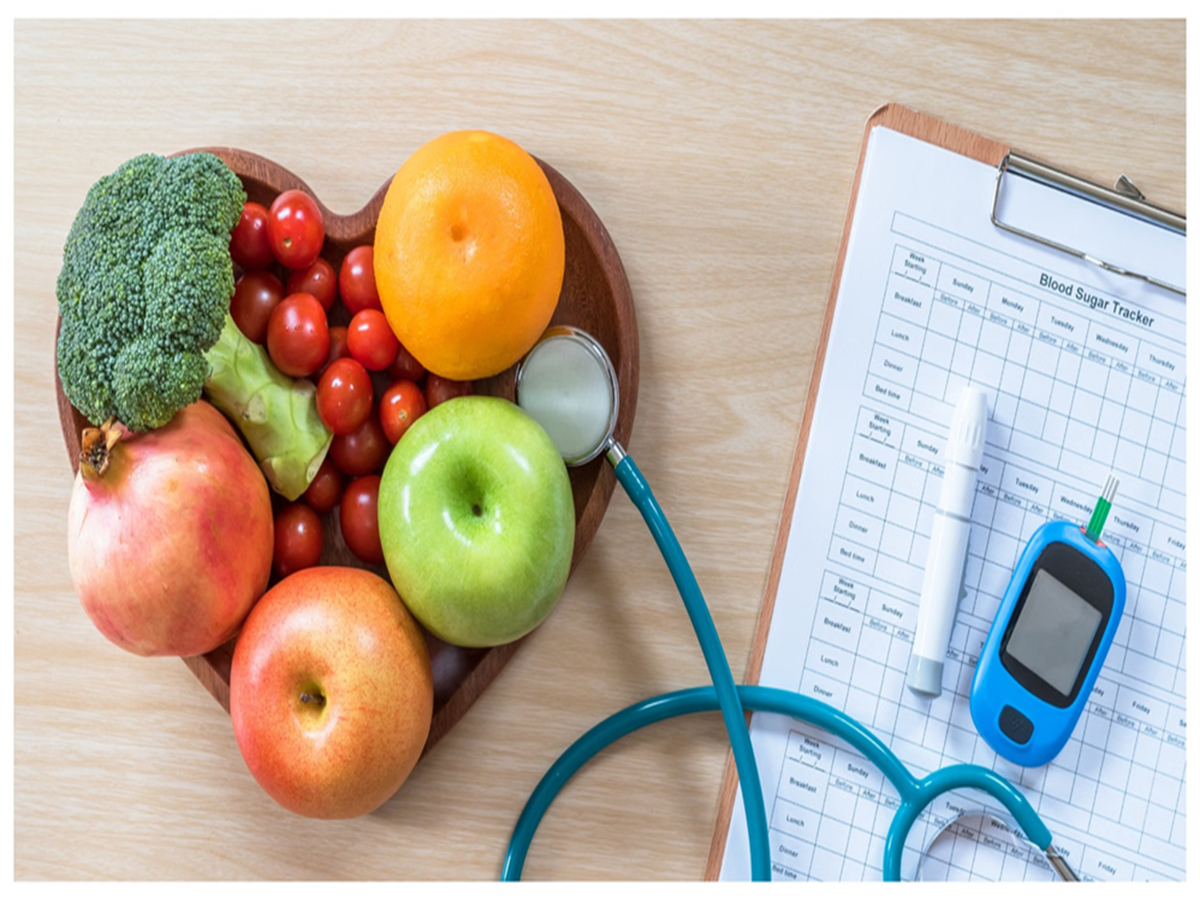
Signs of Insulin Resistance: Diabetes is a disease that creeps up silently. But did you know that our body warns us before Type 2 diabetes actually sets in? This condition is known as prediabetes. The startling fact is that prediabetes presents no obvious symptoms; therefore, it can be considered the onset of a "silent killer." According to Healthline, if identified in time, you can save yourself from falling victim to this serious illness. Let's explore everything you need to know about prediabetes.

The Only Visible Sign on the Body:
Even though you may not feel unwell during prediabetes, your skin can offer certain clues. Many people develop a condition known as Acanthosis Nigricans. In this condition, certain areas of the skin begin to turn dark, thick, and velvety. This is a direct indicator of insulin resistance. This darkening is often observed on the back of the neck, in the armpits, on the elbows and knees, and on the knuckles.
When Does Prediabetes Progress to Type 2 Diabetes?
If you have been diagnosed with prediabetes and begin to experience the symptoms listed below, consider it a sign that the condition is worsening:
Excessive Thirst: A dry mouth accompanied by an urge to drink large amounts of water.
Frequent Urination: Needing to visit the restroom frequently, particularly during the night.
Fatigue and Blurred Vision: Feeling lethargic constantly, along with experiencing blurred or hazy vision.
Slow-Healing Wounds: It takes an unusually long time for cuts or scrapes on the body to heal.
How to Identify It? The Blood Sugar Breakdown
To identify prediabetes, you need to understand your blood sugar test results:
Normal (Fasting): 99 mg/dL or lower.
Prediabetes: Between 100 and 125 mg/dL. Diabetes: Greater than 125 mg/dL.
Who is at the Highest Risk? (Risk Factors)
Research indicates that pre-diabetes is deeply intertwined with lifestyle and genetics. According to CDC statistics, higher rates of pre-diabetes have been observed in certain specific groups:
-Individuals over the age of 45 with a BMI greater than 25.
-The risk increases for men with a waist circumference exceeding 40 inches, and for women with a waist circumference exceeding 35 inches.
–Higher rates have been found among African American, Asian American, Hispanic, and Pacific Islander communities; a significant contributing factor to this may be a lack of access to healthcare resources.
-Individuals with conditions such as PCOS, high blood pressure, high cholesterol, or fatty liver disease.
How Can You Prevent It? (Prevention Tips)
The good news is that pre-diabetes can be reversed. According to the CDC, if you are overweight, losing just 5% to 7% of your total body weight can significantly reduce your risk of developing Type 2 diabetes.
Fiber-rich Diet: Incorporate fruits, green vegetables, whole grains, and nuts into your diet.
Limit Sweets: Restrict your consumption of sodas, sugary teas, and sports drinks.
Physical Activity: Aim for at least 150 minutes of exercise per week (approximately 30 minutes daily).

Stress Management: Practice yoga and meditation.
Pre-diabetes serves as a warning, not an end. By making small changes to your lifestyle, you can live a healthy and long life. If you have any concerns, consult a doctor immediately and get a blood test done.
PC Social Media