LIFESTYLE
Visceral fat: Could belly fat increase risks for your heart? Find out what the connection is..

Health experts consider being overweight or obese a serious health risk. Excess weight does not merely affect your appearance; over time, it can also increase the risk of developing various chronic diseases. This is why doctors advise everyone—from a young age—to keep a close watch on their weight.

Medical reports indicate that the accumulation of abdominal fat (belly fat) is particularly harmful. In some cases, a person may not appear significantly overweight, yet fat begins to accumulate around the midsection—an especially dangerous situation. Fat stored around the internal organs in the abdomen is known as "visceral fat."
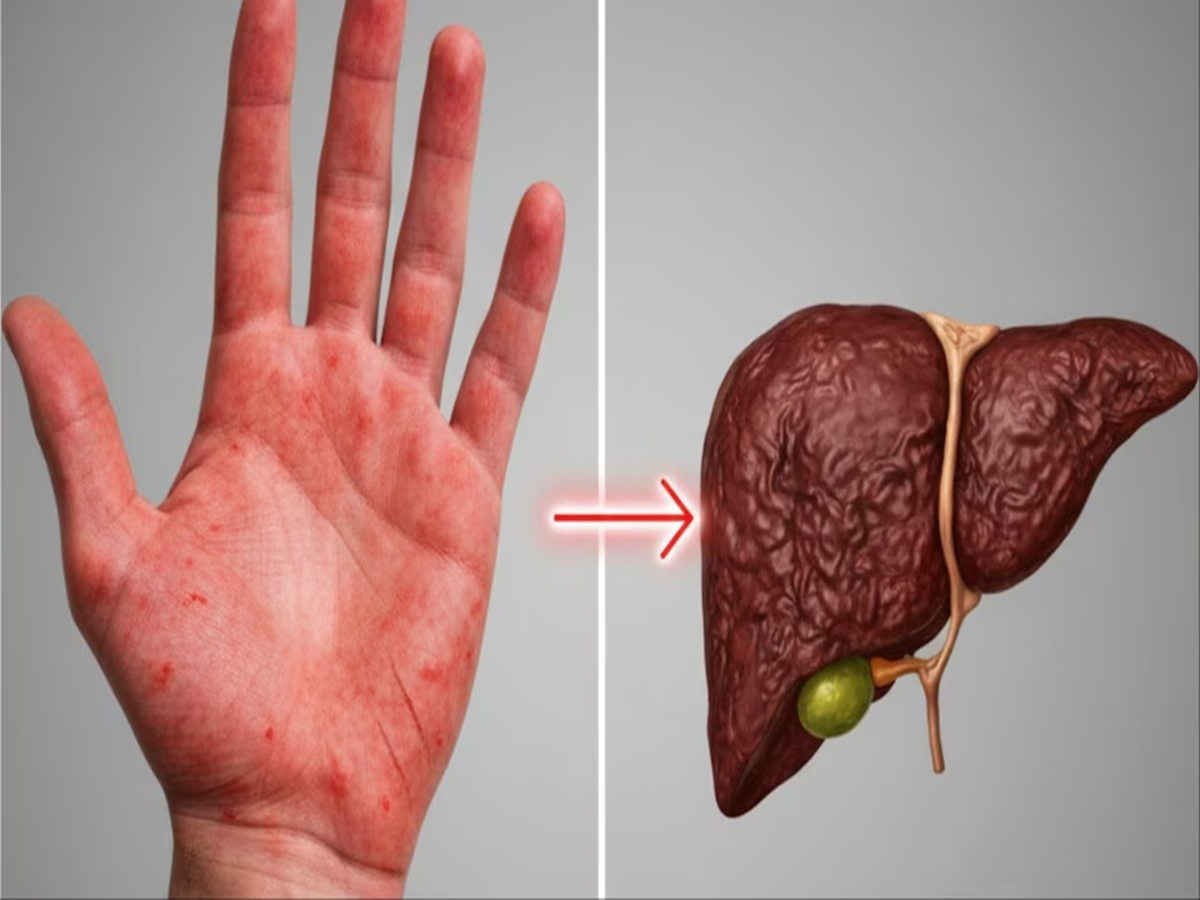
A report published in *Amar Ujala* highlighted how visceral fat can increase the risk of fatty liver disease. Did you know that it can also pose a threat to your heart?
Health experts explain that an increase in abdominal fat can be hazardous to both the liver and the heart. Studies have shown that excess fat stored in the abdominal area can, over time, elevate the risk of fatty liver disease, type 2 diabetes, high blood pressure, and high cholesterol. Interestingly, some individuals may have a normal overall body weight yet still carry significant fat around their midsection. For this reason, health experts recommend monitoring not just total body weight, but also waist circumference.
The Impact of Abdominal Fat on the Liver
Health experts note that excess fat stored within the abdomen disrupts the body's metabolism. This can lead to the accumulation of fat in the liver and increase the risk of fatty liver disease, which is associated with metabolic dysfunction. In the early stages, there are often no clear symptoms; consequently, many people only become aware of the condition once the problem has become quite advanced. Statistics indicate that cases of fatty liver in India are becoming a growing concern. According to experts, approximately 39 out of every 100 Indian adults suffer from this condition. A significant number of children are also being affected; the estimated prevalence among Indian children is 35.4%.
Risk of Heart-Related Issues
Studies have shown that excess fat accumulated around the abdomen can, over time, increase the risk of high blood pressure, high cholesterol, and insulin resistance—all of which elevate the risk of heart disease.
Visceral fat contributes to heart disease through biological signals that damage blood vessels and place strain on the heart muscles.
Visceral fat releases inflammatory chemicals and cytokines, which trigger a persistent, low-grade inflammation throughout the body and within the blood vessels.
Furthermore, fat stored around the abdomen can lead to high cholesterol and alterations in blood lipid levels. These conditions can result in atherosclerosis, where plaque begins to accumulate within the arteries, thereby increasing the risk of heart attacks and strokes.
What Do Health Experts Say?
Health experts point out that even if your Body Mass Index (BMI) is within the normal range, you may still carry excess fat around your abdomen. Therefore, it is important to monitor your waist circumference in addition to your overall body weight. A waist measurement of up to 90 cm for men and 80 cm for women is generally considered within the normal range. One should make consistent efforts to reduce both overall body weight and abdominal fat.

Engage in regular brisk walking and exercise according to your physical capacity.
Minimize the consumption of sugary drinks, deep-fried foods, and highly processed food products. Increase the intake of vegetables, fruits, whole grains, and protein-rich foods in your diet.
Get adequate sleep, and keep regularly monitoring your weight, waist circumference, blood pressure, and blood sugar levels.
PC Social Media