LIFESTYLE
Vastu: Which Plants Should You Not Keep at Home? They Look Beautiful, But Bring Misfortune..
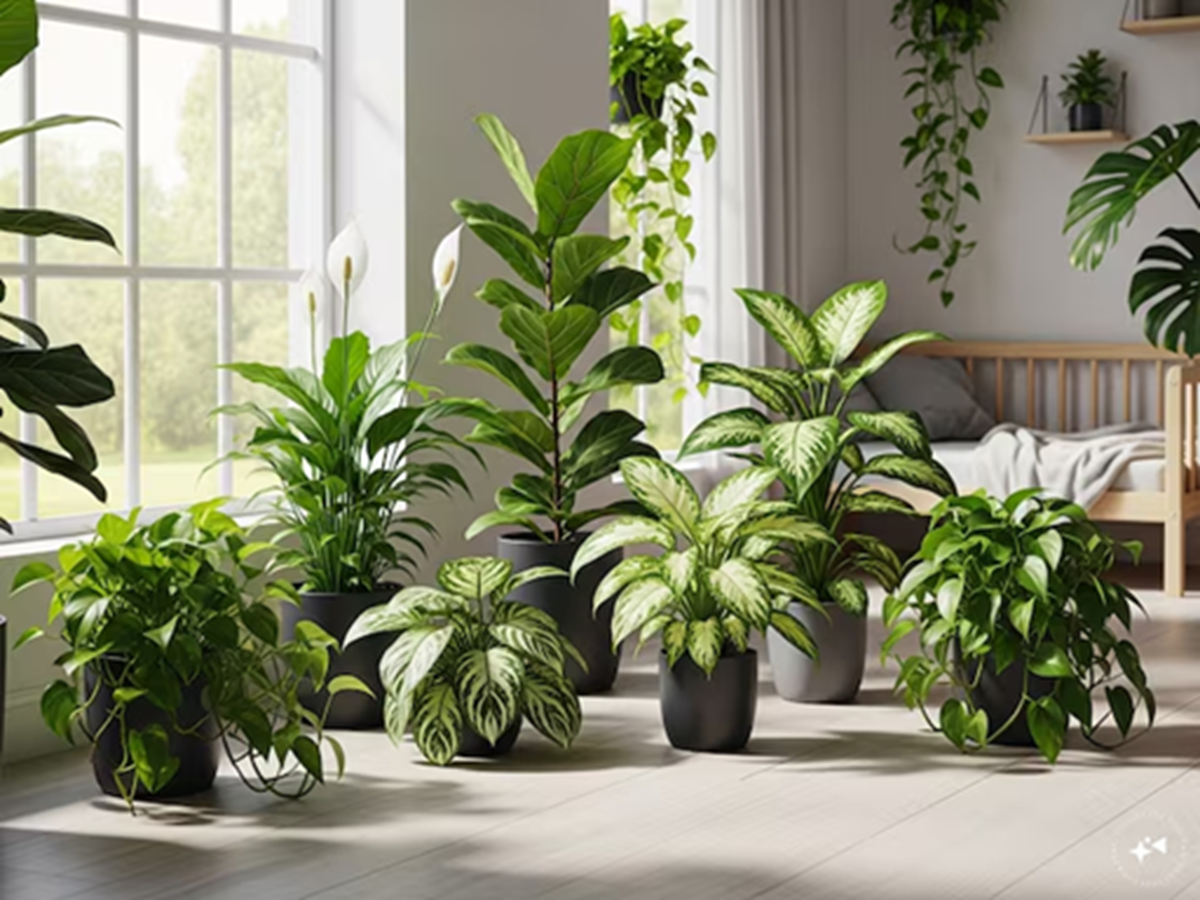
Placing plants in the home not only enhances its aesthetic appeal but also purifies the air and radiates positive energy. However, there are certain plants that, despite appearing incredibly attractive, are generally not recommended for indoor placement. The reasons for this range from their toxic nature to issues regarding their rapid growth and the difficulties associated with their maintenance. Selecting the right plants is crucial for maintaining a safe and balanced environment within the home.

First on the list is *Dieffenbachia* (commonly known as Dumb Cane). This plant is renowned for its large, beautiful leaves; however, the sap contained within these leaves is toxic. If this sap comes into contact with the skin or mouth, it can cause irritation, swelling, and severe allergic reactions. Consequently, keeping this plant indoors—particularly in households with children or pets—is not considered safe.
The second plant is the Oleander. This plant features exceptionally beautiful flowers, yet this very characteristic constitutes its greatest drawback. Its leaves, flowers, and stems are all highly toxic. Ingesting even a small portion of this plant can trigger severe health complications. Therefore, one should refrain from growing it indoors.
Third is the Cactus. While cacti appear stylish and decorative, their spines are traditionally believed to symbolize negative energy; furthermore, from a practical standpoint, they pose a physical injury risk. They are generally not considered a safe choice for small homes or households with children.
The fourth plant is the Tamarind tree. Although tamarind is widely popular for its flavor and utility, planting it indoors or in a small courtyard is not considered advisable. It is a fast-growing tree that can reach massive proportions, potentially disrupting both the spatial layout and the overall balance of the home environment.
The fifth plant is the *Babul* (Acacia) tree. The *Babul* tree is also deemed unsuitable for a home setting, as its branches are thorny, and it is traditionally associated with a dry, harsh energy. Moreover, it grows very rapidly and can negatively impact the surrounding soil and landscape.
While various beliefs and traditional notions surround these plants, from a scientific perspective, the primary concerns revolve around their toxic properties, maintenance requirements, and safety implications. Therefore, when selecting plants for the home, it is essential to consider not only their beauty but also their nature, impact, and safety. Choosing the right plants not only enhances the beauty of the home but also keeps it safe and balanced.
PC Social Media