LIFESTYLE
Varuthini Ekadashi Vrat: Refrain from these items during the Varuthini Ekadashi fast, or your fast could be broken..
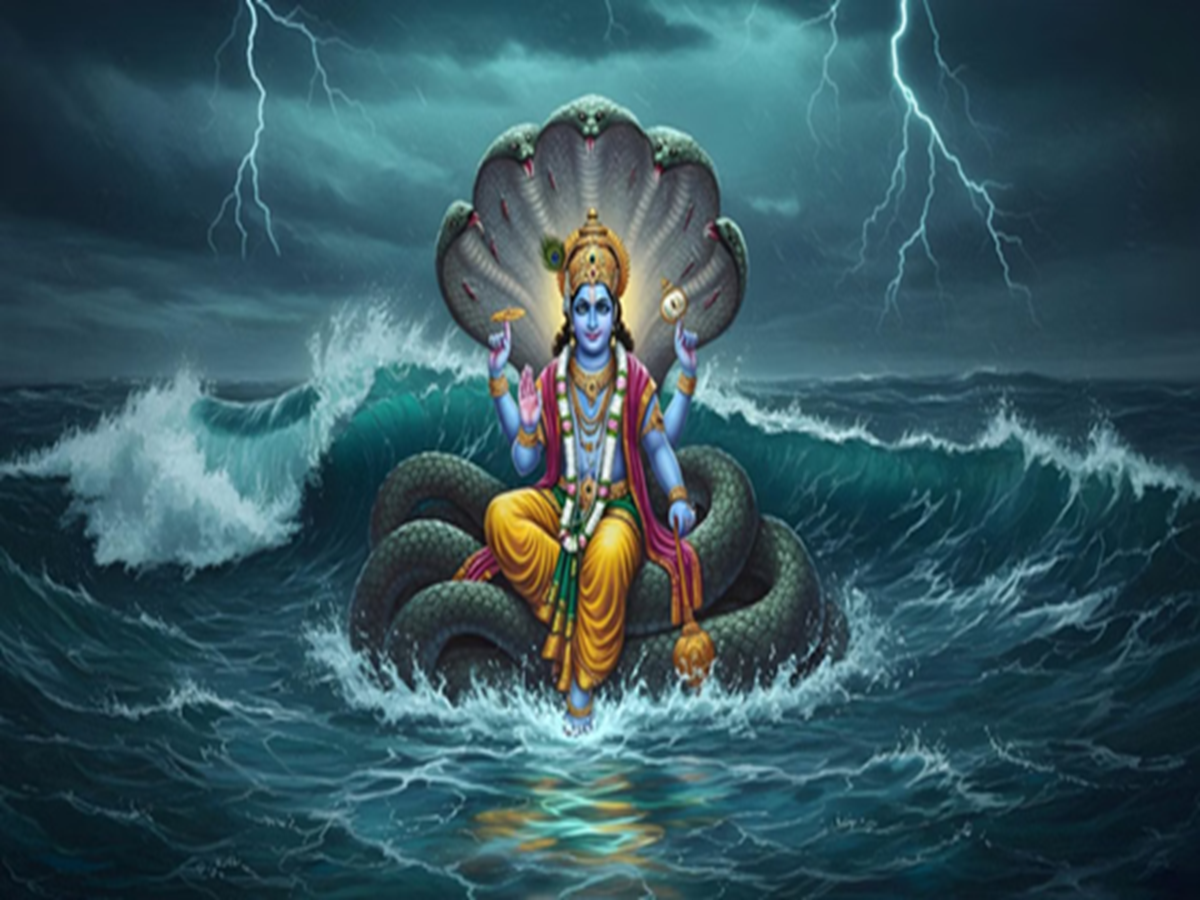
What to Eat and What to Avoid During the Varuthini Ekadashi Fast: The Varuthini Ekadashi fast is observed every year on the Ekadashi Tithi (11th day) of the Krishna Paksha (waning phase of the moon) during the month of Vaishakh. This year, the fast will be observed on April 13th. According to religious beliefs, devotees who observe the fast on this specific day in the month of Vaishakh have all their wishes fulfilled and attain success in every aspect of life. The month of Vaishakh is dedicated to Lord Vishnu. It is essential to pay special attention to the rules and regulations associated with this fast. In this context, let us explore what one should eat—and what one should strictly avoid—to ensure the successful observance of the Varuthini Ekadashi fast.

**What to Eat on Varuthini Ekadashi**
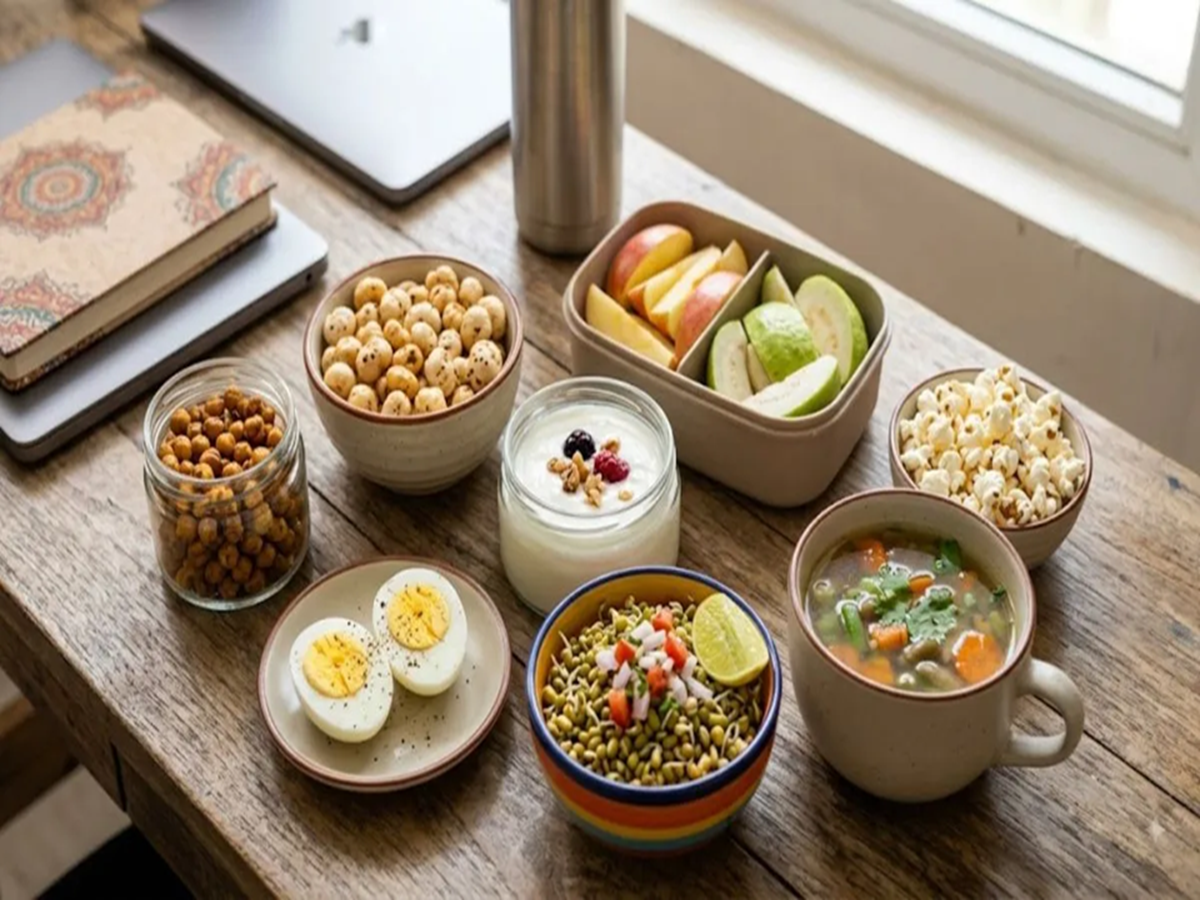
If you are not observing a *Nirjala* (waterless) fast, you may consume fruits such as bananas, apples, oranges, grapes, and papayas. These provide energy to the body and are light on the digestive system.
Consuming homemade milk, yogurt (curd), buttermilk, and *paneer* (cottage cheese) is recommended. These items are considered pure and are highly suitable for consumption during the fast.
Dry fruits such as almonds, raisins, cashews, and walnuts may be consumed. These boost energy levels and help keep the stomach feeling full for extended periods.
Potatoes, sweet potatoes, and *Arbi* (colocasia root) may be consumed after being lightly cooked. These are commonly included in meals prepared for fasting days.
*Kuttu ka atta* (buckwheat flour) and *Singhare ka atta* (water chestnut flour) are excellent alternatives for the fast. These can be used to prepare *rotis* (flatbreads) or *pakoras* (fritters).
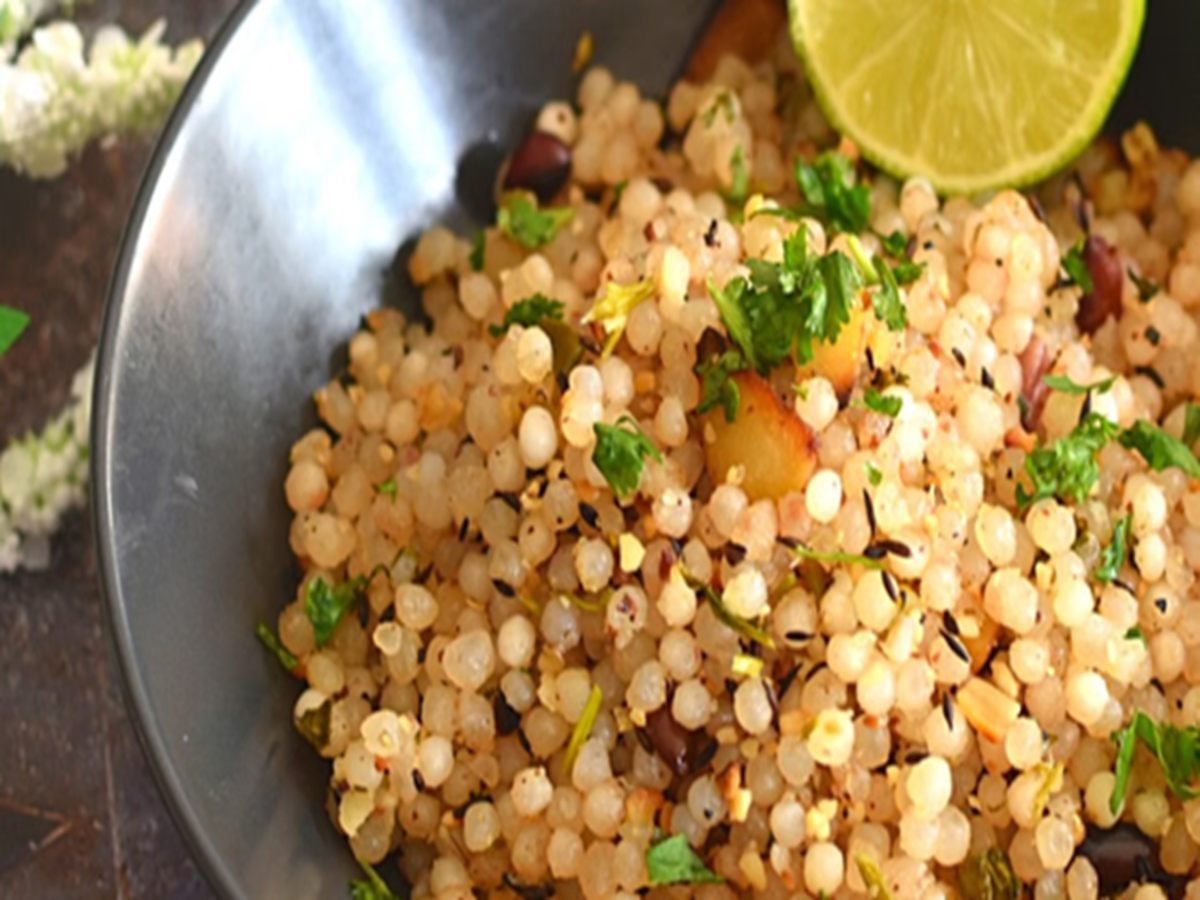
*Sabudana Khichdi* (sago pudding) or other dishes prepared using sago may be consumed, as sago is considered a staple food during fasting periods.
Tea or coffee may be consumed; however, it is advisable to drink them plain—without milk or sugar.
**What to Avoid on Varuthini Ekadashi**
On the day of the fast, one should strictly refrain from consuming rice, wheat, and other common grains, as their consumption is considered contrary to the rules of Ekadashi.
Legumes and pulses (with the exception of *Moong Dal*—split green gram) should not be consumed, as their intake is prohibited during the fasting period. One should avoid maize, mustard (rai), and food products derived from them.
Common staple foods such as Roti, Chapati, Paratha, Idli, and Dosa should not be consumed.
During the fast, one should refrain from eating onions and garlic, as they possess *Tamasic* (regressive) qualities.
Non-vegetarian foods—such as meat, fish, and eggs—must be strictly avoided.
One should steer clear of foods prepared with excessive oil or *ghee*, as this compromises the *Sattvic* (pure and wholesome) nature of the fast.
**Auspicious Timings (Muhurat) for Varuthini Ekadashi Puja**
**First Muhurat:** From 5:58 AM to 7:34 AM
**Second Muhurat:** From 9:10 AM to 10:46 AM
Of these, the first Muhurat is considered *Amrit* (Nectar)—deemed the most excellent—while the second is considered *Shubh* (Auspicious)—deemed highly favorable.
**Muhurat for Ritual Bathing**
**Brahma Muhurat:** From 4:28 AM to 5:13 AM
**Abhijit Muhurat**
From 11:56 AM to 12:47 PM.
**Time for Breaking the Fast (Parana)**
The *Parana* (breaking of the fast) for Varuthini Ekadashi will take place on April 14th. The designated time for breaking the fast will be from 6:54 AM to 8:31 AM. On the day of the *Parana*, the *Hari Vasar* period concludes at 6:54 AM; it is considered auspicious to break the fast only after this period has ended.
PC Social Media