LIFESTYLE
Vaishakh: Why Does Bathing During the Morning 'Brahma Muhurat' Bestow Eternal Merit? Learn All the Essential Rules..
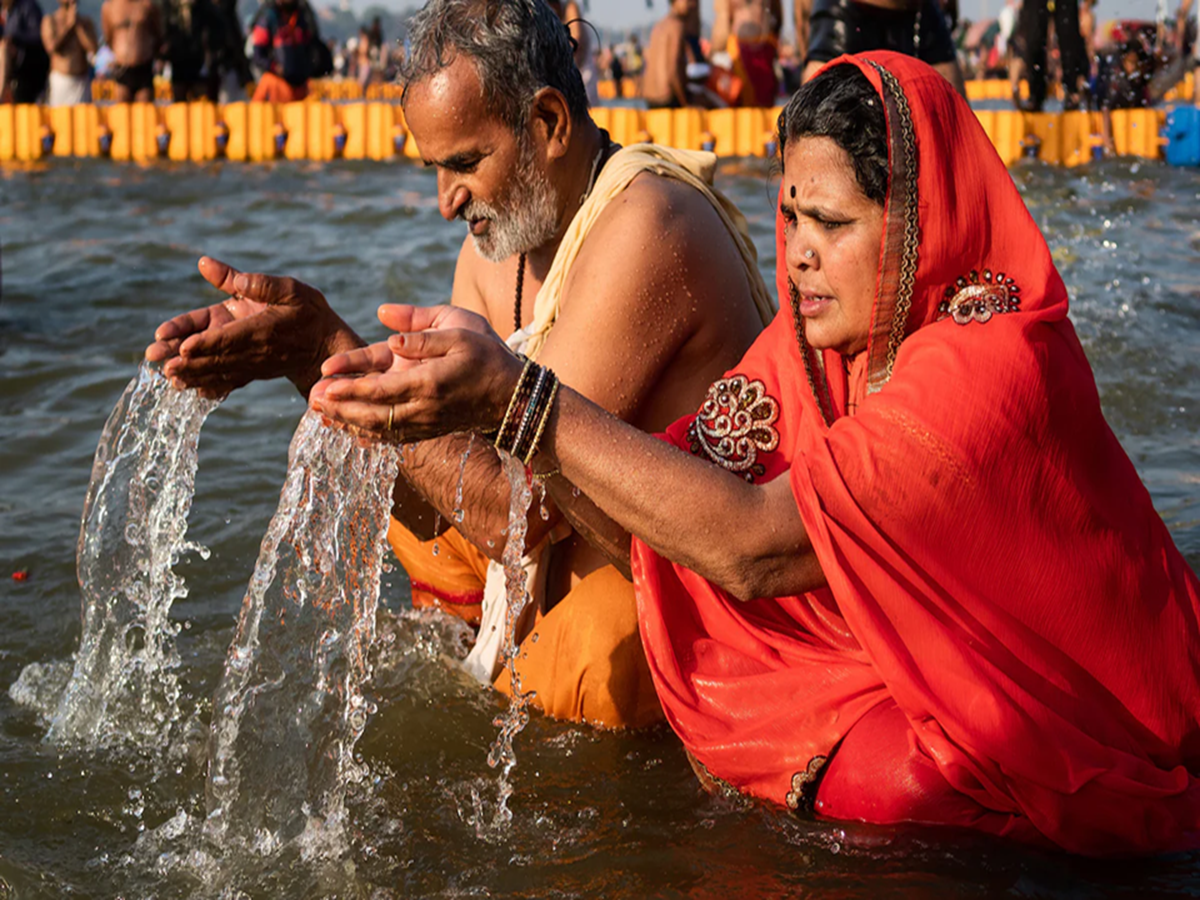
Vaishakh, the second month of the Vikram Samvat calendar, is regarded in Hinduism as a symbol of spiritual energy and purification. It is also known as *Madhav Maas* (the Month of Madhav), a name intrinsically linked to Lord Vishnu. According to scriptural expert Swami Shyamnarayan Paducharu, the spiritual chanting (*Japa*), penance (*Tapa*), and holy bathing performed during the month of Vaishakh yield rewards that are far greater and *Akshaya*—meaning eternal or inexhaustible—compared to those performed in other months.
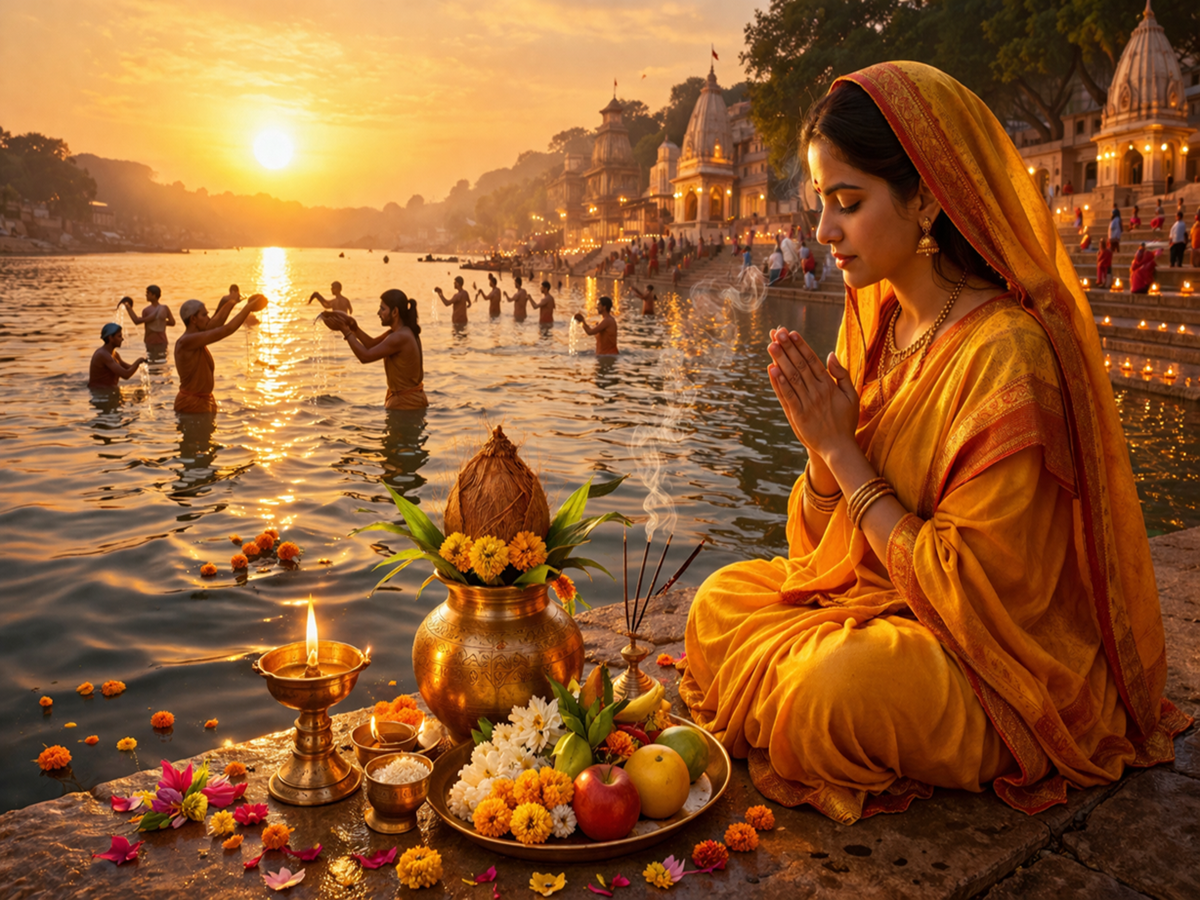
**The Tradition of Pre-Sunrise Bathing:** There is a specific scriptural injunction regarding bathing during this month: one should bathe during the *Brahma Muhurat*—the auspicious period just before dawn—or prior to sunrise. It is believed that touching holy water before the onset of Vaishakh's intense summer heat brings coolness and tranquility to both the body and the mind. If it is not possible to bathe in a holy river, one can attain merit equivalent to visiting a pilgrimage site simply by adding a small amount of holy Ganges water (*Gangajal*) to their bathwater at home.
The practice of bathing before sunrise holds special significance during the month of Vaishakh. Bathing during the *Brahma Muhurat* or prior to dawn imparts a sense of coolness to the body and mind, fostering an experience of profound purity. Should bathing in a holy river prove unfeasible, adding a small quantity of Ganges water to one's bathwater at home is considered equally meritorious, yielding spiritual rewards akin to those gained from visiting sacred pilgrimage sites.
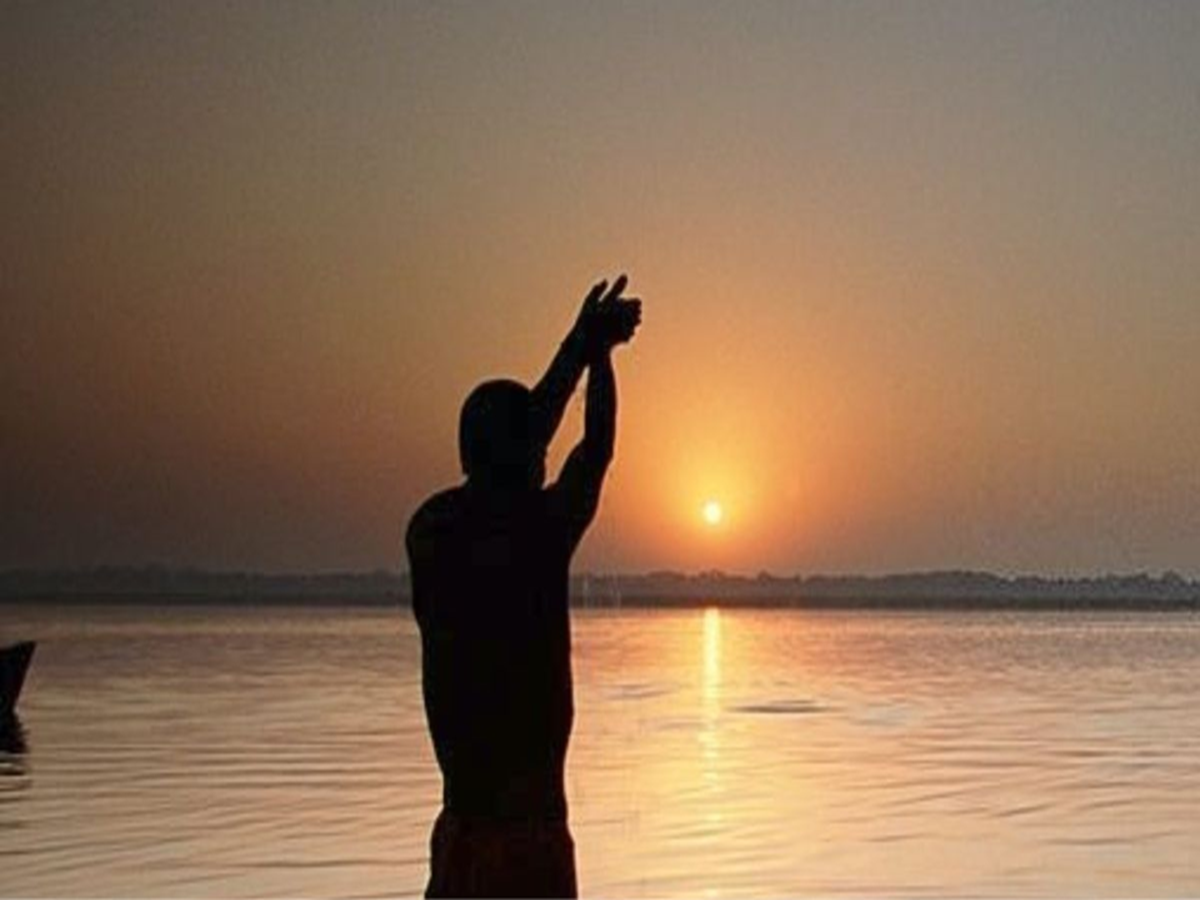
**Worship of Lord Vishnu:** Following the bath, it is considered mandatory to meditate upon Lord Vishnu and to offer water (*Arghya*) to the Sun God (*Surya Dev*) using a copper vessel. Chanting specific Sun mantras while offering the water is believed to infuse one's life with radiance, vitality, and good health. Throughout the entire month of Vaishakh, reciting the *Vishnu Sahasranama* (the thousand names of Vishnu) and listening to the *Vaishakh Mahatmya* (the glorification of Vaishakh) are acts that attract the special grace of the Lord, thereby fostering increased mental peace and prosperity.
After bathing, the worship of Lord Vishnu and the offering of water to the Sun God using a copper vessel are considered acts of immense spiritual merit. Reciting Sun mantras while making this offering is believed to imbue one's life with radiance, robust health, and vibrant energy. Engaging in the recitation of the *Vishnu Sahasranama* and listening to the *Vaishakh Mahatmya* throughout the entire month of Vaishakh invites the special blessings of the Lord, leading to an enhancement of both mental tranquility and material prosperity.
**Tulsi Worship:** During the month of Vaishakh, the spiritual rewards derived from serving and tending to the holy *Tulsi* (Holy Basil) plant are believed to multiply manifold. During this season of scorching heat, one should regularly offer water to the Tulsi (Holy Basil) plant in the morning. Lighting a ghee lamp near the Tulsi plant in the evening infuses the home with positive energy and dispels poverty.
The significance of worshipping the Tulsi plant increases manifold during the month of Vaishakh. One should regularly offer water to the plant in the morning, and lighting a ghee lamp near it in the evening facilitates the flow of positive energy within the home. This practice fosters happiness and prosperity in the household while eradicating poverty.
During this month, the act of charity is rooted in the principles of benevolence and service. Given the escalating heat, one should donate umbrellas to the needy to shield them from the sun, footwear to those walking barefoot, and cooling cotton garments to help keep the body cool. Furthermore, arranging for drinking water for travelers and distributing juicy fruits and refreshing beverages is considered the highest form of religious duty.
In the month of Vaishakh, special emphasis is placed on charity, which is grounded in benevolence and service. In light of the rising temperatures, one should donate umbrellas, footwear, and cotton clothing to those in need. Additionally, providing water, juicy fruits, and refreshing beverages to travelers is regarded as the supreme religious duty.
Regarding the service of living beings: according to religious scriptures, placing grains and water for voiceless birds and arranging for water for animals during the month of Vaishakh yields imperishable spiritual merit. Furthermore, spiritual seekers who undertake a vow of discipline for the entire month should consume only one *Sattvic* (pure and wholesome) meal per day. This act of self-restraint purifies the individual of inner impurities and draws them closer to the Divine.
According to religious scriptures, serving living beings during the month of Vaishakh is considered an act of immense spiritual merit. Providing grains and water for birds, as well as arranging for water for animals, bestows imperishable spiritual merit. Moreover, spiritual seekers who observe a disciplined vow throughout the month—consuming only *Sattvic* food—reap the benefits of liberation from inner impurities and attaining closeness to the Divine.
PC Social Media