
LIFESTYLE
Health Alert: Could your blood pressure medication damage your kidneys? These drugs can increase the risk by up to 33%..

The global risk of heart disease and high blood pressure is rising rapidly; consequently, doctors may initiate high blood pressure medication even in younger individuals. According to a World Health Organization (WHO) report, approximately 1.4 billion people are affected by high blood pressure (hypertension), yet only 630 million adults have been diagnosed and are receiving treatment. This implies that only about 44% of people with high blood pressure are receiving medical care.
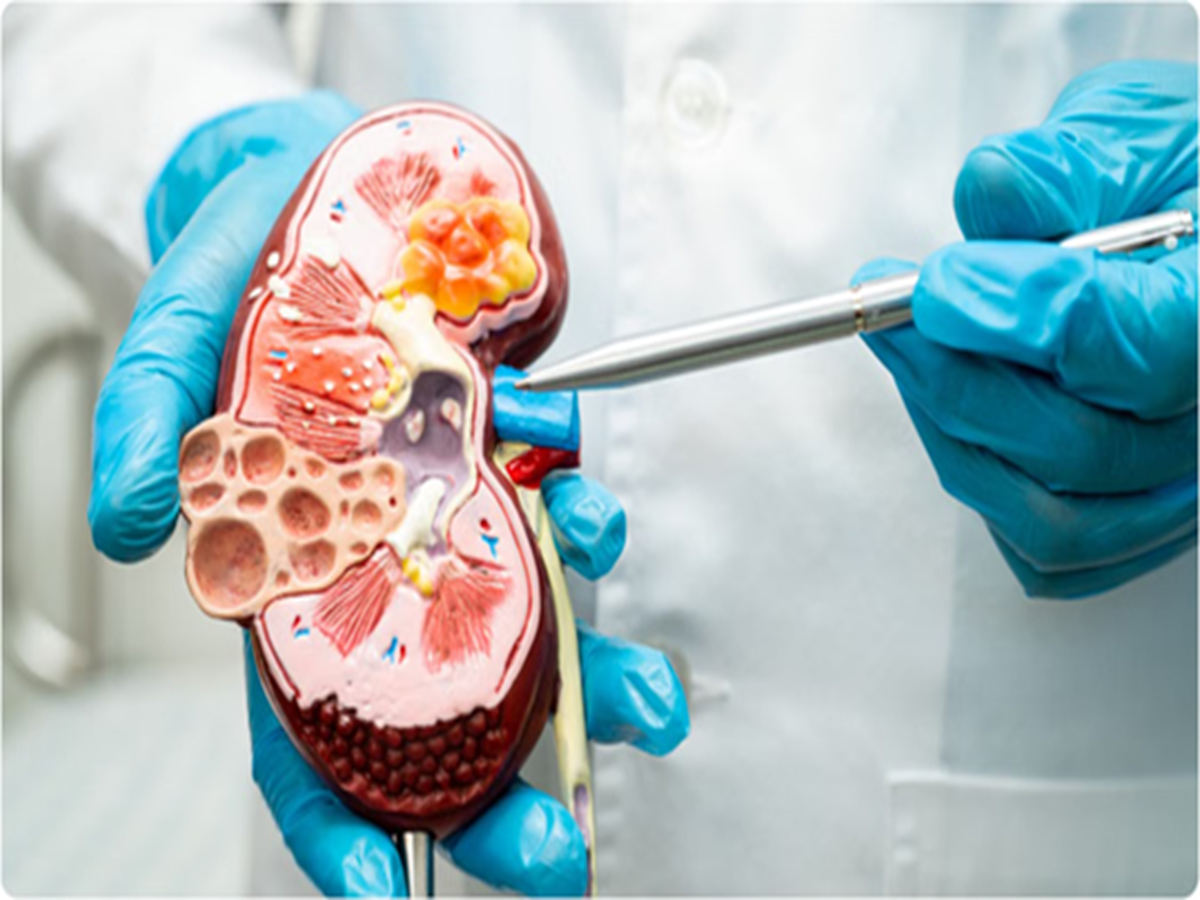
Patients with high blood pressure are routinely advised to take medication to manage their condition. These drugs are considered effective in reducing the risk of serious complications, ranging from heart attacks and strokes to kidney failure. However, did you know that blood pressure medication can sometimes exacerbate kidney-related issues?
In light of this, a recent study has raised serious questions regarding certain common blood pressure medications. Doctors found that specific blood pressure drugs could be particularly harmful to individuals who already suffer from both diabetes and high blood pressure; the risk of kidney disease was observed to be significantly higher in such patients.
**Warning Regarding Dihydropyridine Calcium-Channel Blockers (DCCBs)**
Researchers have issued a warning concerning dihydropyridine calcium-channel blockers, or DCCB drugs. These medications help relax and widen blood vessels, facilitating smoother blood flow and helping to lower blood pressure. Widely used drugs, such as amlodipine, belong to this class. The study revealed that patients using these medications faced a roughly 33% higher risk of serious kidney-related problems compared to those taking other types of blood pressure medication.
Researchers noted that millions of people take medication to control high blood pressure (hypertension).
The study highlighted the link between the use of these drugs and serious kidney-related complications in individuals with Type 2 diabetes. **Elevated Risk Associated with Certain Medications in Diabetic Patients**
The study found that patients taking medications such as amlodipine and lacidipine faced a nearly 33% higher risk of severe kidney-related complications compared to those taking other types of blood pressure medications. However, this does not imply that these drugs directly cause kidney damage; the researchers themselves noted that the study did not establish a direct cause-and-effect relationship.
These medications are classified as dihydropyridine calcium-channel blockers (DCCBs). This group includes drugs such as amlodipine, felodipine, lacidipine, lercanidipine, nicardipine, nifedipine, and nimodipine.
The study focused specifically on individuals with type 2 diabetes, a group already at higher risk for kidney disease. Prolonged high blood sugar levels force the kidneys to work harder continuously. Over time, this causes damage to the tiny blood-filtering units (nephrons) within the kidneys.
**What did the study reveal?**
For this study, researchers in Israel analyzed data from over 31,000 adults with type-2 diabetes, monitoring them for approximately three and a half years.
All patients were taking medication to mitigate kidney damage caused by diabetes. Approximately 39% of them had been prescribed DCCB medications.
During the study, the risk of severe kidney-related problems was found to be 33% higher among those taking DCCBs.
"Severe problems" were defined as a decline in kidney function of 40% or more—a stage where interventions like dialysis or a kidney transplant might become necessary.

Researchers hypothesize that these medications may significantly increase blood flow within the kidneys. These medications relax the blood vessels to such an extent that increased pressure or fluid reaches the blood-filtering parts of the kidneys. This places additional strain on already weakened kidneys, potentially leading to further complications.
PC Social Media